Extraordinary
기아 디자인 크리에이티브 철학 ‘오퍼짓 유나이티드 (Opposites United)’에서 제시하는 창의적 문화의 특징으로 ‘창의적 모험가 Creative Risk-Takers’와 ‘지치지 않는 혁신가 Relentless Innovators’가 있습니다. 이들은 새로운 가능성을 위한 끊임없는 도전으로 자신만의 고유성과 창의성을 바탕으로 창작활동을 하는아티스트들의 스토리에서 찾아볼 수 있습니다.
Extraordinary
Kia Design’s creative philosophy, ‘Opposites United’, characterizes the creative culture of Creative Risk-Takers and Relentless Innovators. This is demonstrated in the stories of the artists, who constantly challenge themselves to create new possibilities by building on their unique perspectives and creativity.
기존 문법을 넘어서는 용기,
자신의 길을 이어가는 힘
안무가 김재덕The Courage to Shed Convention,
the Strength to Build a Path Unmade
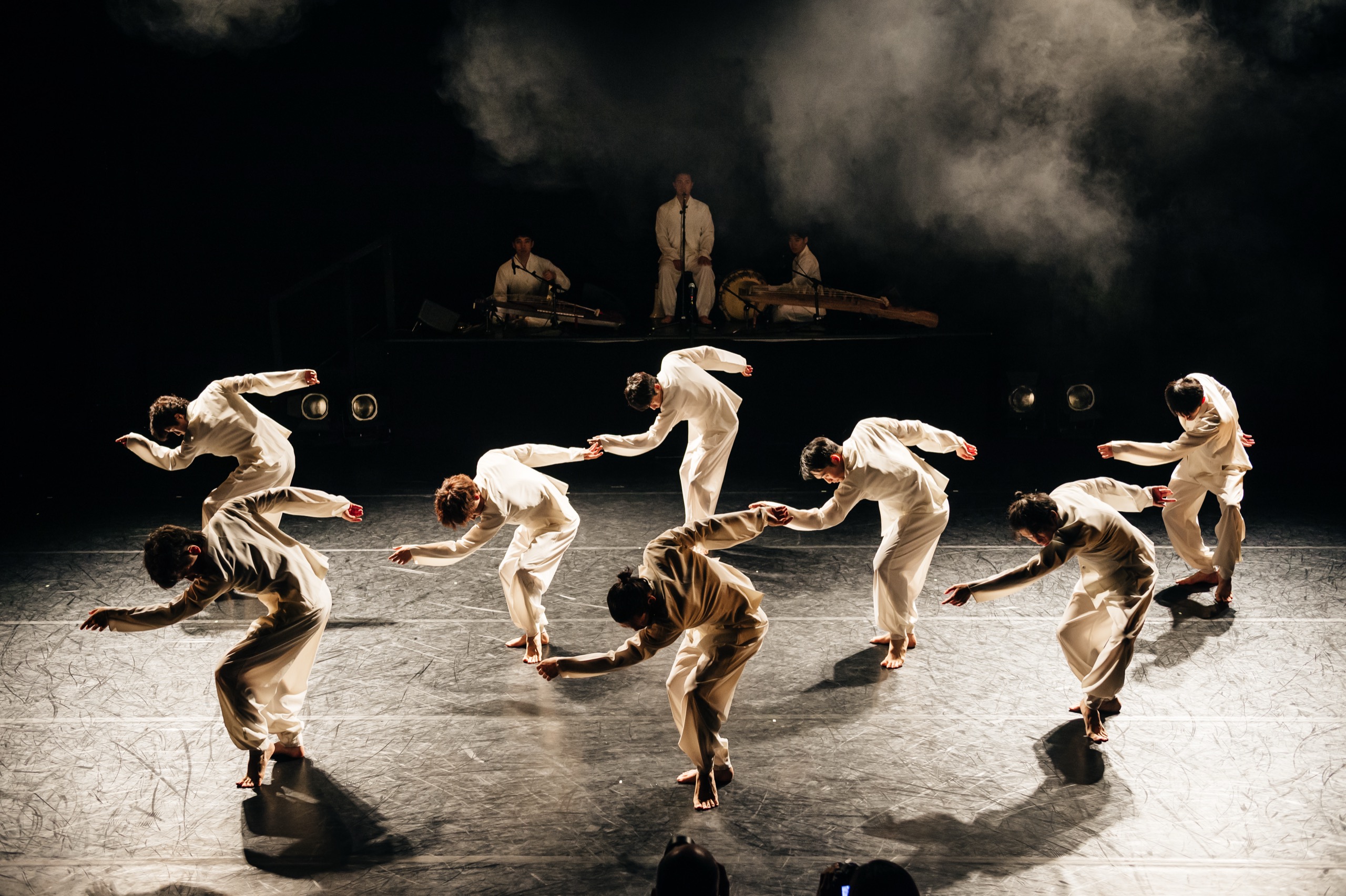
Choreographer Kim Jae Duk춤은 대개 음악을 따라 움직입니다. 하지만 김재덕의 작업은 기존 문법을 따르지 않습니다. 거울 앞에서 몸이 먼저 움직이면 그 움직임에 어울리는 소리를 만들고, 음악을 듣다가 새로운 동작이 나오기도 합니다. 춤과 음악은 서로 영향을 주고받습니다. 《다크니스 품바Darkness Poomba》부터 《시나위》, 《속도》, 《햄베스Ham:beth》, 《브라운Brown》까지, 그의 작품은 그렇게 춤과 음악 사이를 오가며 만들어졌습니다. 품바와 록을 한 무대에 놓고, 셰익스피어와 판소리를 연결하며 김재덕은 익숙한 문법 밖에서 자신의 방식을 만들어왔습니다. 필요한 것이 없으면 직접 만들고, 그렇게 세운 기준마저 익숙해질 때 다시 흔들어보는 것. 그의 작업에서 용기는 스스로 만든 답에 머무르지 않는 태도에 가깝습니다. 《기아 디자인 매거진》 Vol.18 Extraordinary는 자신의 기준을 만들고, 다시 질문하며 작업을 이어온 김재덕의 이야기를 따라갑니다.
Dance often begins with music. Kim Jae Duk works without a fixed order: a movement discovered in the studio may call forth a sound, while a sound may in turn summon a new movement. Dance and music continually reshape one another. From Darkness Pumba and Sinawi to Sok-do (Velocity), Ham:beth and Brown, his works take shape through this ongoing exchange. Bringing Pumba into conversation with rock, and Shakespeare with pansori, Kim Jae Duk has built a practice beyond familiar conventions. When what he needs does not exist, he makes it himself. Once even his own rules begin to feel familiar, he unsettles them again. For Kim, courage lies not in arriving at an answer, but in refusing to remain there. Kia Design Magazine Vol. 18, Extraordinary, follows Kim Jae Duk as he sets his own standards, questions them and keeps moving.
Editor’s Note
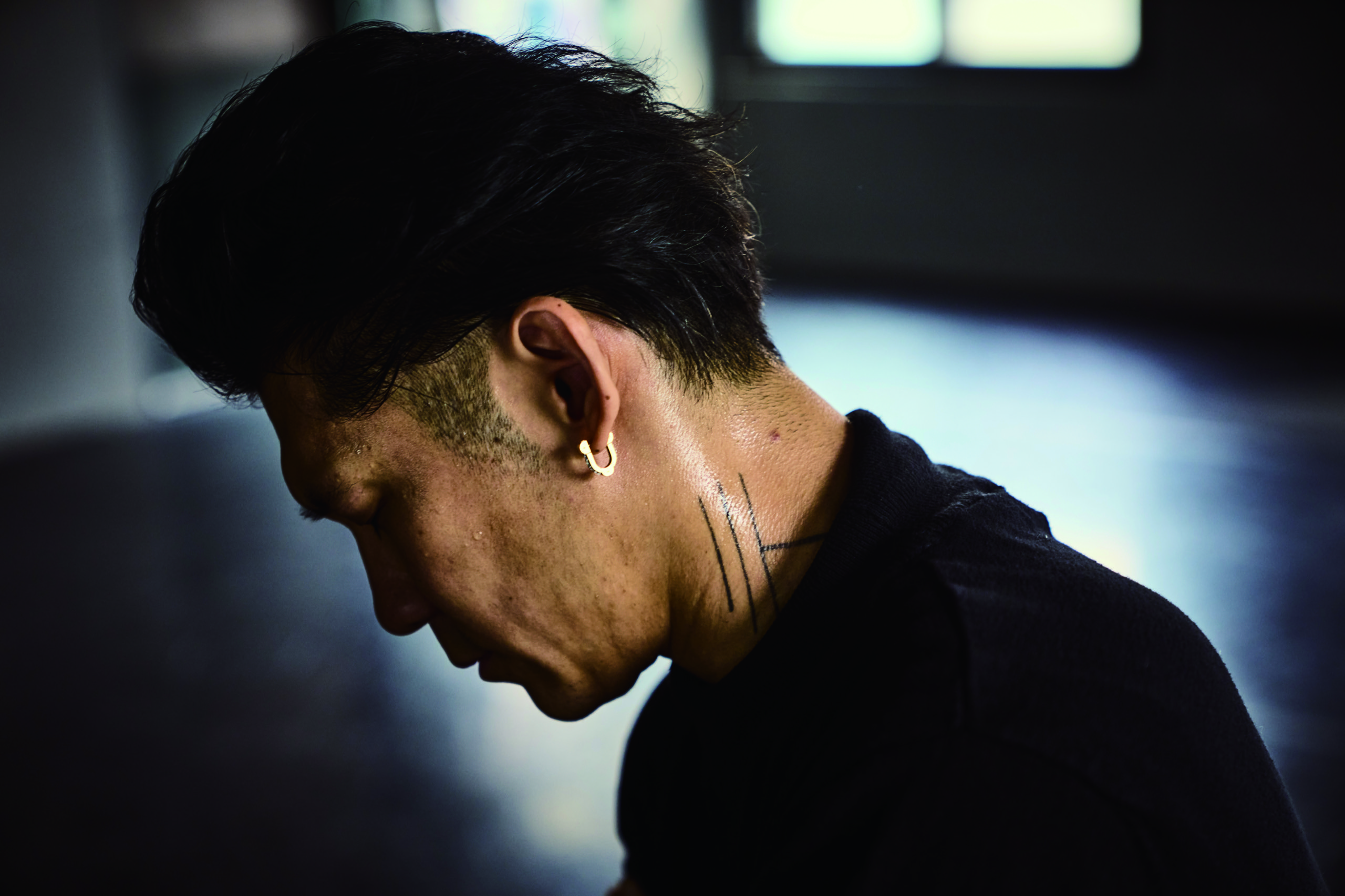
“전혀 새로운, 내가 가지고 있던 것 중에 다른 모습을 보여주고 싶었던 순간이 있었어요.” 《다크니스 품바》로 자신만의 춤과 음악을 만들어온 김재덕은 어느 순간 거의 모든 것을 즉흥에 맡긴 《시나위》를 만들었습니다. 컴퓨터도 익숙하지 않았던 시절 작곡을 배워 필요한 음악을 직접 만들었던 그는, 다시 한 번 익숙해진 자신의 방식에 머무르지 않는 선택을 했습니다. 김재덕의 이야기를 듣다 보면 용기라는 말을 조금 다르게 생각하게 됩니다. 그에게 용기는 낯선 일을 시작하는 순간에만 있지 않습니다. 오랫동안 공들여 만든 자신의 방식이 익숙해졌을 때, 그것을 다시 의심하고 다른 가능성을 꺼내는 것. 김재덕은 그렇게 자신의 작업을 계속 갱신해왔습니다.
“There were moments when I wanted to show something entirely new, another side of what was already within me.” Through Darkness Pumba, Kim Jae Duk developed a distinctive language of dance and music. Then came Sinawi, a work shaped almost entirely by improvisation. Years earlier, though barely comfortable with computers, he had learned to make his own music because his work demanded it. With Sinawi, he once again chose to move beyond a method that had grown familiar. Kim’s story casts courage in a different light. For him, it does not belong only to the moment of stepping into the unknown. It also means questioning a method painstakingly built over years once it starts to feel familiar, then drawing out another possibility from within it. This is how Kim has continued to renew his practice.
Chapter 01.
없는 것은 직접 만든다
Chapter 01.
If It Does Not Exist, Make It Yourself
필요한 음악이 없으면, 음악을 배워 만들었습니다. 가진 동작으로 부족하면, 새로운 움직임을 만들었습니다. 낯선 영역도 필요하다면 직접 익혀 자신의 작업으로 바꾸는 것. 김재덕의 방식은 그렇게 시작됐습니다.
When the music he needed did not exist, he learned to make it himself. When his existing movement vocabulary proved insufficient, he invented new movements. Whenever the work led him into unfamiliar territory, Kim learned what he needed and made it part of his practice. That is how his way of working began.
춤을 시작한 지 20년이 넘었습니다. 그 시간 동안 ‘나만의 춤’이라는 건 어떻게 만들어졌나요?
어릴 때부터 사람이나 음악을 볼 때 ‘색깔’이 분명한 것에 눈이 갔습니다. 동네에서 춤을 추던 형들을 볼 때도 자기만의 색깔이 있는 팀이 눈에 들어왔고, 한국의 독특한 음악가들을 보면서도 장르나 색깔이 중요하다는 생각을 했어요. 고등학교 때 현대무용을 시작하고 나서는 자연스럽게 ‘나도 나만의 춤을 추고 싶다’고 생각했던 것 같아요. 대학 3학년 때부터 제 동작을 하나씩 만들어 작품에 쓰기 시작했습니다. 처음에는 낯설다 보니 제 동작을 보고 웃는 사람도 있었죠. 시간이 지나면서 그 움직임을 더 많은 사람이 받아들일 수 있는 방식으로 다듬게 됐고, 그렇게 다듬은 움직임들이 졸업 후 《다크니스 품바》로 이어졌습니다.
You have been dancing for more than 20 years. How did you develop a dance language you could call your own?
From an early age, I was drawn to people and music with a distinct character. Among the older guys who danced in my neighborhood, the crews with an identity of their own stood out. I felt the same about distinctive Korean musicians; genre and character mattered to me. When I began contemporary dance in high school, wanting a dance language of my own felt only natural. In my third year at university, I started inventing movements one by one and using them in my work. At first, some people laughed because the movements looked unfamiliar. Over time, I refined them so they could connect with a wider audience. After graduation, those movements became the foundation of Darkness Pumba.
《다크니스 품바》는 음악도 직접 만들었다고 들었어요. 작곡을 배워본 적 없는 사람이 직접 작곡까지 하겠다고 한 건, 어떻게 보면 꽤 무모한 시작이었을 것 같은데요.
음악 자체가 낯설지는 않았습니다. 어머니도 음악가셨고, 어릴 때부터 밴드를 하는 친구들과 어울렸어요. 피아노로 화음을 만들어보기도 했고요. 그런데 대학에서 콩쿠르나 작품을 준비하다 보니 매번 다른 사람에게 돈을 주고 음악을 부탁하는 일이 쉽지 않았습니다. 시간도 걸리고요. 그러다 자꾸 ‘이 정도면 내가 만들 수도 있을 것 같은데’라는 생각이 들었죠. 문제는 제가 정말 컴맹이었다는 거예요. 그래서 대학 4학년 말부터 미디MIDI를 배우기 시작했습니다. 몇 달 배우고 바로 제 음악을 만들기 시작했죠. 처음에는 퀄리티가 좋지 않았습니다. 그런데 하다 보니 재미있더라고요. ‘이왕 하는 거 제대로 해보자’ 싶어서 믹싱과 마스터링도 공부하고 EQ, Plug-in 사용하는 방법을 제대로 배우면서 제 사운드를 찾아갔습니다. 그러다 결국 앨범까지 만들게 됐고요. 처음 미디를 배우는 일이 쉽지는 않았지만, 제가 필요하다고 생각한 부분은 결국 직접 배워가는 편이었던 것 같아요.
You also composed the music for Darkness Pumba. For someone with no formal training in composition, that sounds like an audacious place to begin. What made you take it on yourself?
Music itself was familiar territory. My mother was a musician, and I grew up around friends in bands. I also used to experiment with chords on the piano. At university, however, preparing for competitions and new pieces meant repeatedly paying someone else to make the music. It took both time and money. I kept thinking, ‘I could probably do this myself.’ The problem was that I was hopeless with computers. Toward the end of my final year at university, I began learning MIDI. Within a few months, I was making my own tracks. They were not very good at first, but I found myself enjoying the process. I thought, ‘If I am going to do this, I may as well do it properly.’ So I studied mixing and mastering, and learned how to use EQ and plug-ins properly, gradually finding my own sound. Eventually, I even made an album. Learning MIDI was difficult, but when something feels necessary to my work, I tend to teach myself how to do it.
보통은 음악에 어울리는 춤을 추게 되잖아요. 김재덕의 작업에서도 춤과 음악의 우선순위가 있을까요?
꼭 정해진 순서가 있는 건 아니에요. 무용실에서 움직임이 먼저 나오면 집에 가서 그 동작에 맞는 음악을 만듭니다. 그런데 음악을 만들다 보면 또 새로운 부분이 생기잖아요. 그러면 ‘여기에는 이런 동작을 넣으면 되겠다’ 싶어서 다시 움직임을 만들죠. 그렇게 춤에서 음악으로 갔다가 다시 춤으로 돌아오면서 작품이 만들어집니다. 처음부터 모든 장면을 정해놓지도 않습니다. 하나를 만들고, 그다음을 만들면서 한 층씩 쌓아가는 편이에요. 그래서 즉흥적인 부분도 꽤 많습니다. 그게 가능한 건 오랫동안 반복하고 훈련한 것들이 몸에 남아 있기 때문인 것 같습니다. 생각하지 않고 움직여도 몸에서 먼저 나오고, 그러다 새로운 움직임이 생기기도 하고 예전에 했던 동작이 다시 나오기도 합니다.
Dance is usually created in response to music. In your work, does either one come first?
There is no fixed order. If movement comes first in the studio, I go home and make music to match it. Then, as I compose, a new sound or passage may suggest another movement, and I return to the body. The piece takes shape as I move between dance and music. I do not map out every scene in advance either. I build the work one layer at a time, so improvisation plays a significant role. I think that is possible because years of repetition and training live in the body. It responds before thought intervenes. Sometimes a new movement appears; sometimes an old one returns.
새로운 일을 시작하게 한 가장 큰 동력은 호기심보다 ‘필요’에 가까웠던 셈인가요?
그게 컸습니다. 다른 사람에게 제가 원하는 음악에 대해 설명하려면 시간도 들고, 기다려야 하잖아요. 아무리 잘 설명해도 서로 생각하는 게 다르다 보니 중간에 오류가 생길 수도 있고요. 무엇보다 제 안무에 대한 생각이 음악에서 시작되는 경우가 많습니다. 제가 음악을 직접 만들면 원하는 곳까지 더 빨리 갈 수 있잖아요. 제가 만든 음악 위에서 제 춤을 춘다는 만족감도 컸고요. 결국 필요해서 시작했지만, 하다 보니 자연스럽게 제 작업 방식이 된 것 같습니다. 낯선 영역이어도 필요하다고 느끼면 직접 배워보는 쪽을 택하는 편이에요.
So was necessity, rather than curiosity, what drew you into new territory?
That was a big part of it. Explaining the music I want to someone else takes time, and then there is the wait. No matter how clearly I explain it, there can still be a gap between what I imagine and what the other person hears. More importantly, many of my choreographic ideas begin with music. When I make the music myself, I can reach the place I have in mind much faster. There is also a special satisfaction in dancing to music I created. It began as a necessity and gradually became part of my process. Even when the field is unfamiliar, if I feel I need it, I tend to learn it myself.
Chapter 02.
‘중용’, 자신만의 길을 지키는 용기
Chapter 02.
The Golden Mean: The Courage to Stay True to One’s Own Path
품바와 록, 셰익스피어와 판소리.
김재덕은 익숙한 문법에 기대기보다, 자신이 납득할 수 있는 균형을 찾아왔습니다. 넘치지도, 모자라지도 않게. 스스로 세운 기준을 지키며 자신의 길을 이어가는 것. 그에게 ‘중용’은 곧 그런 용기입니다.Pumba and rock. Shakespeare and pansori. Rather than lean on familiar formulas, Kim has sought a balance that feels true to him. Neither too much nor too little. He moves forward by holding to a standard of his own. For Kim, the ‘golden mean’ is precisely that kind of courage.
《다크니스 품바》에는 품바와 현대무용, 록과 일렉트로닉까지 여러 장르가 한 무대에 함께 등장합니다. 이렇게 서로 다른 요소를 하나의 작품으로 연결하는 데 망설임은 없었나요?
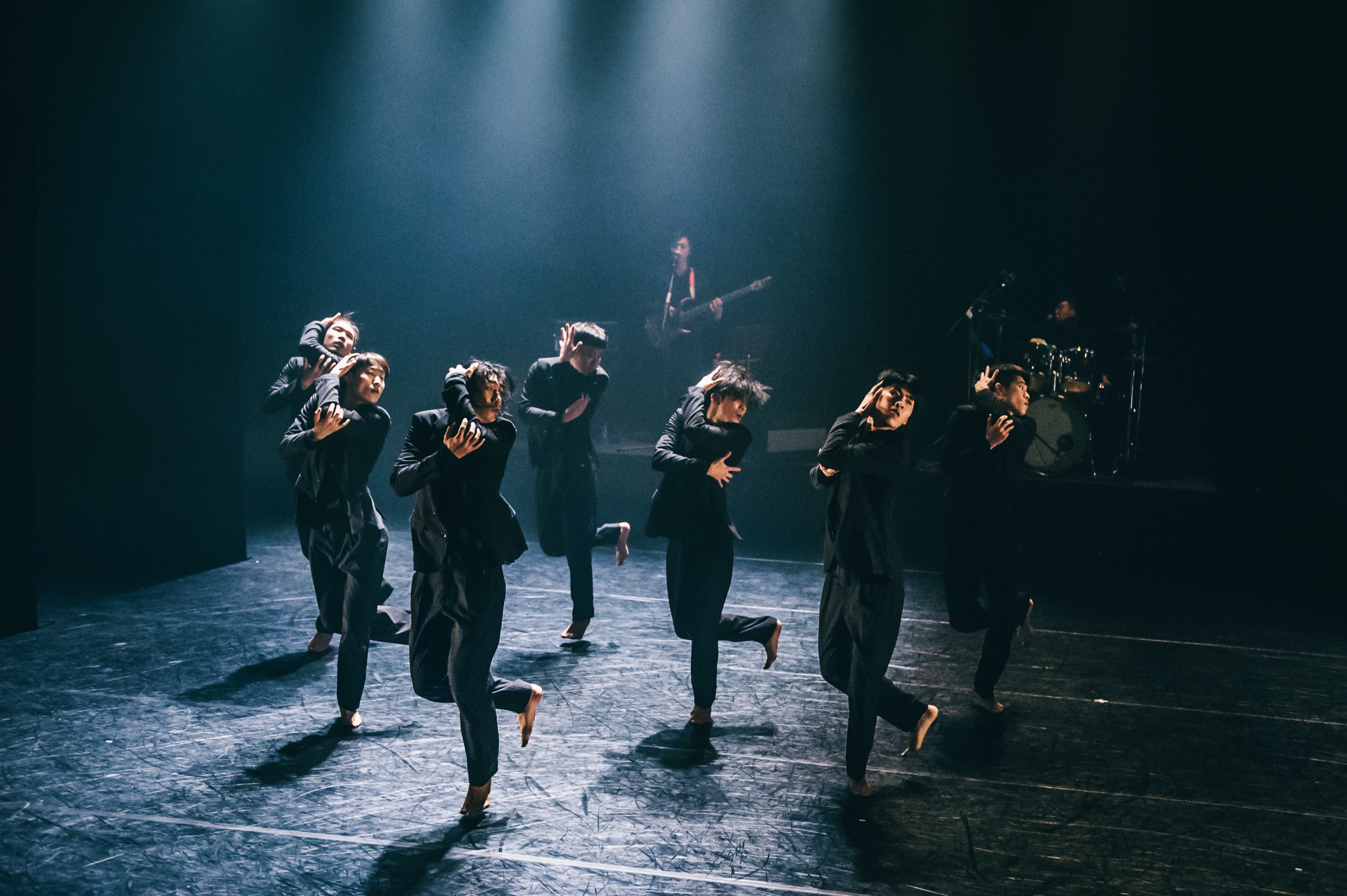
그때는 어렸고, 잘 몰랐기 때문에 오히려 두려움은 없었던 것 같습니다. 계기도 단순했죠. ‘컬러 오브 댄스’라는 축제가 있는데 매년 주제 색이 바뀌었고, 2006년 주제가 블랙이었습니다. 자연스럽게 ‘다크니스’를 떠올렸고, 그 안에서 제가 가장 자유롭게 할 수 있는 것이 무엇일지 생각하다 ‘품바’를 떠올렸습니다. 해외에서 저는 품바를 ‘코리아 집시’로 이야기하는데요. 집시처럼 품바에는 광기와 노래, 춤이 모두 담겨 있죠. 그 모든 것을 아우르는 종합예술 같은 점이 좋았어요. 록을 넣은 이유도 거창하지 않습니다. 원래 라이브 사운드와 록을 좋아했거든요. 일렉트로닉 역시 제가 하고 싶었던 음악이었고요. 중요했던 건 요소가 얼마나 많고 서로 다른지가 아니었던 것 같아요. 품바와 현대무용, 록과 일렉트로닉이 함께 있어도 결국 제 관점에서 하나의 ‘무용’으로 모을 수 있다는 확신이 있었어요.
Darkness Pumba brings Pumba, contemporary dance, rock and electronic music together on one stage. Did you ever hesitate to combine such different elements?
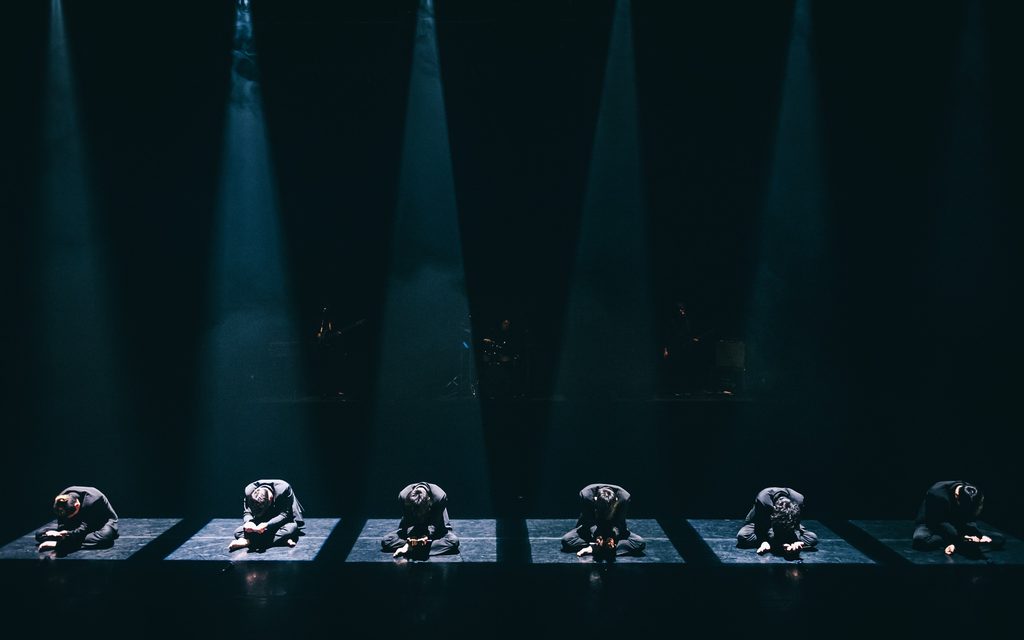
I think I was fearless partly because I was young and knew too little to be afraid. The starting point was simple. A festival called Color of Dance chose a different theme color each year. In 2006, the color was black, which naturally led me to ‘Darkness.’ I then asked what would allow me the greatest freedom within that idea, and Pumba came to mind. When I introduce Pumba abroad, I sometimes describe it as a kind of Korean itinerant performance. It contains a certain wildness, with song and dance woven together. I was drawn to its quality as a total work of art. Bringing in rock was just as instinctive. I had always loved live sound and rock, and electronic music was another form I wanted to explore. What mattered was never the number of elements or how far apart they seemed. I knew that, through my own lens, Pumba, contemporary dance, rock and electronic music could converge in a single work of dance. Ham:beth brings two seemingly distant worlds onto a single stage, layering pansori and a Korean sensibility within a Western framework of title, costume and instrumentation.
《햄베스》에서는 셰익스피어와 판소리처럼 접점이 없어 보이는 두 세계를 한 무대에 놓았습니다. 서로 다른 것을 하나의 작업으로 연결할 때, 스스로 세운 기준이 있나요?
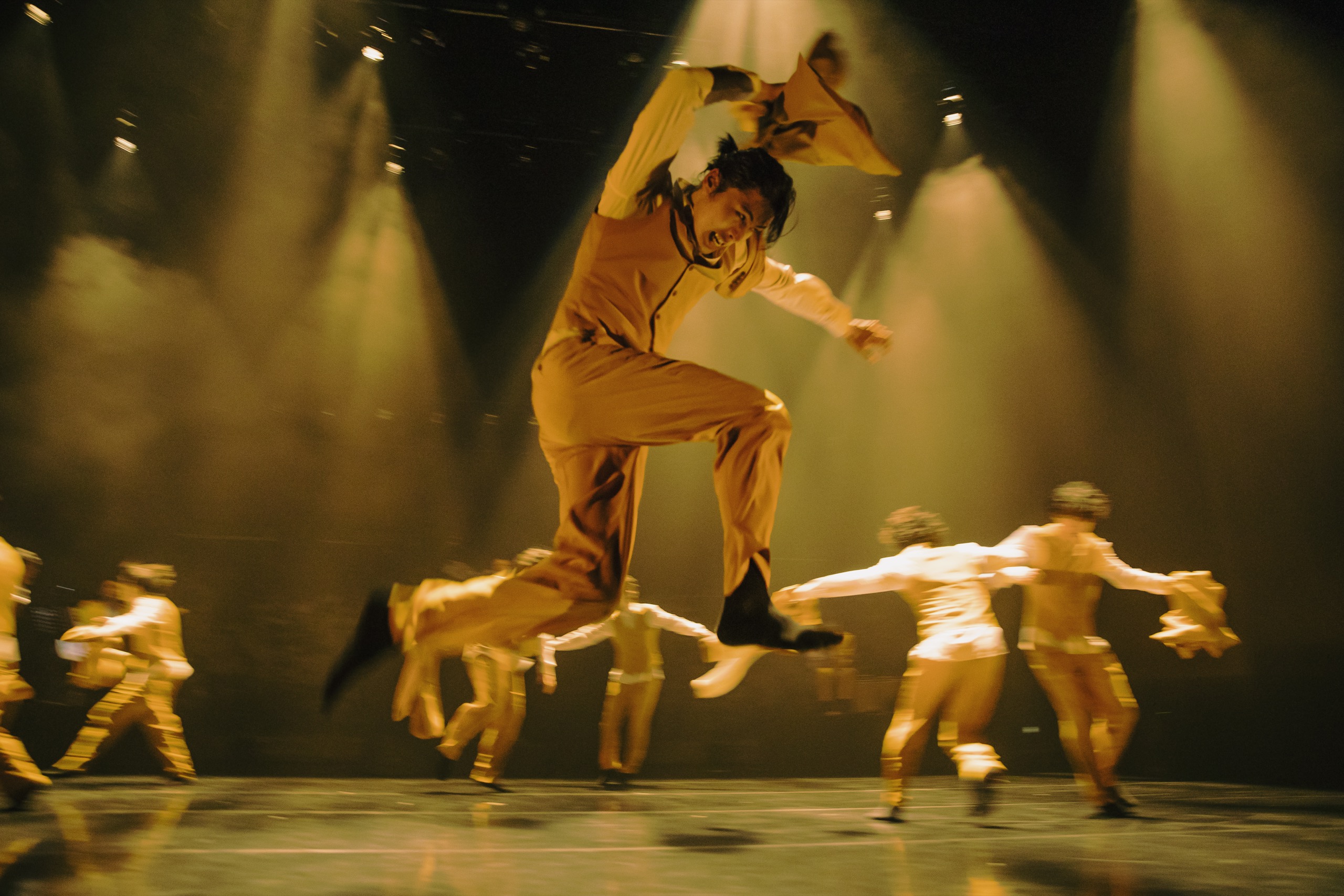
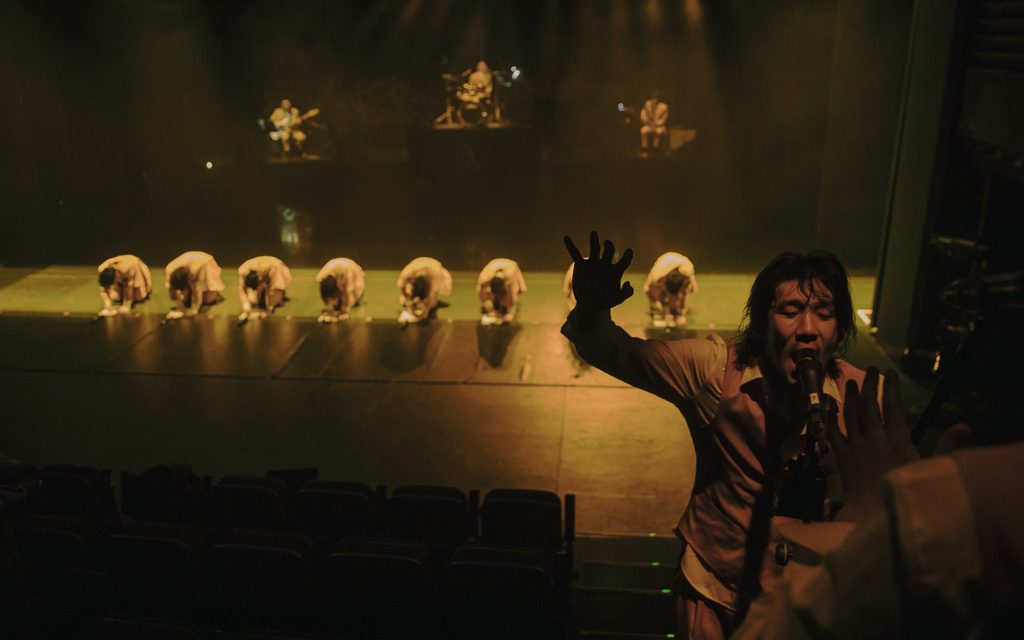
음악의 무드와 춤 동작의 조화에 확신이 생길 때 시작하는 것 같습니다. ‘이런 음악의 느낌에 이런 춤이면 되겠다’는 그림이 그려져야 하는 거죠. 《햄베스》도 계기가 있었습니다. 《다크니스 품바》가 동유럽 최대 축제인 체홉국제시어터축제에 초청됐을 때 아르메니아 셰익스피어 축제 디렉터가 공연을 보고, 셰익스피어를 주제로 《다크니스 품바》와 같은 방식의 작품을 만들어볼 수 있겠느냐고 제안했어요. 《다크니스 품바》의 춤과 음악 안에서 제가 생각하는 전통의 정체성을 느꼈던 것 같습니다. 서양에서 보던 춤이나 음악과는 다른 느낌을 받은 거죠. 그래서 《햄베스》에서는 오히려 겉으로 드러나는 부분을 더 서양적으로 만들었습니다. 제목과 의상, 악기에는 셰익스피어나 영국의 느낌을 두고, 《햄릿》과 《맥베스》에서는 ‘인간의 존엄성’과 ‘욕망’이라는 두 키워드를 가져와 가사를 만들었습니다. 거기에 전통 판소리를 넣었고요. 보이는 것은 서양적이지만 그 안에서는 어딘가 한국의 전통적인 감각이 느껴지게 한 겁니다. 생각보다 융합의 방식은 단순했어요.
In Ham:beth, you place Shakespeare and pansori on the same stage, two worlds with little apparent common ground. When you bring such disparate elements together, how do you know they belong?
I begin once I can sense the music’s atmosphere and the movement settling into harmony. I need to picture how a particular dance might inhabit a particular sound. Ham:beth began with an invitation. When Darkness Pumba was presented at
the Chekhov International Theatre Festival, Eastern Europe’s largest theatre festival, the director of the Armenian Shakespeare Festival saw it and asked whether I could create a work inspired by Shakespeare using a similar approach. I think he sensed the traditional identity I was expressing through the dance and music of Darkness Pumba, something distinct from the Western performances he knew. So for Ham:beth, I made the outward frame deliberately Western. The title, costumes and instrumentation carried a Shakespearean, almost British atmosphere. I drew on the ideas of ‘human dignity’ and ‘desire’ from Hamlet and Macbeth to write the lyrics, then brought in traditional pansori. The surface reads as Western, but a Korean sensibility can still be felt within it. In the end, the method of fusion was simpler than it might sound.
전통을 다루는 방식도 흔히 말하는 ‘전통의 현대화’와는 조금 다른 것 같아요.
저는 ‘전통의 현대화’라는 말을 잘 쓰지 않습니다. 오히려 ‘현대의 전통화’라는 말을 합니다. 현대적인 사고를 가진 제가 전통이 가진 특징을 들여다보고, 그중 필요한 것을 작업으로 가져오는 방식에 더 가깝습니다. 승무처럼 하나의 전통 형식을 그대로 가져와 현대적으로 바꾸는 방식과는 조금 다릅니다. 전통 역시 제 작업을 시작하기 위한 하나의 요소일 뿐이에요. 지금은 전통과 동시대 예술을 결합하는 작업이 많지만, 2006년 당시에는 지금처럼 흔한 방식은 아니었죠. 어떤 틀에 맞추기보다 제 관점에서 얼마나 멋스럽고 맛스럽게 풀어내느냐가 중요합니다.
Your approach to tradition also seems different from the familiar idea of ‘modernizing tradition.’
I rarely use the phrase ‘modernizing tradition.’ I tend to describe my approach as ‘traditionalizing the contemporary.’ I approach tradition from a contemporary mindset, looking closely at its characteristics and bringing into the work only what I need. That is different from taking an established traditional form, such as seungmu, and simply updating it for the present. Tradition is simply one of the materials from which I begin. Today, combining tradition with contemporary art is common, but in 2006 it was far less so. What matters is not fitting the work into a prescribed framework, but finding, from my own point of view, a way to give it its own style, character and vitality.
서로 다른 요소 사이에서 어느 한쪽에 치우치지 않고 자신만의 기준을 지켜가는 것도 하나의 용기일 것 같습니다. 작업에서 그 균형을 잡는 기준은 무엇인가요?
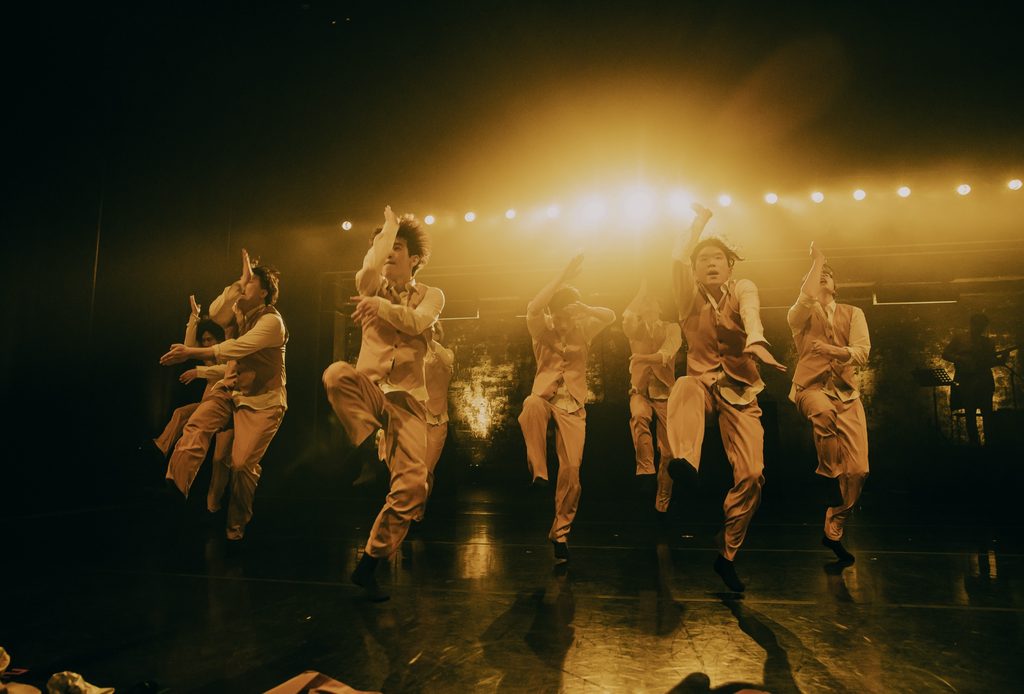
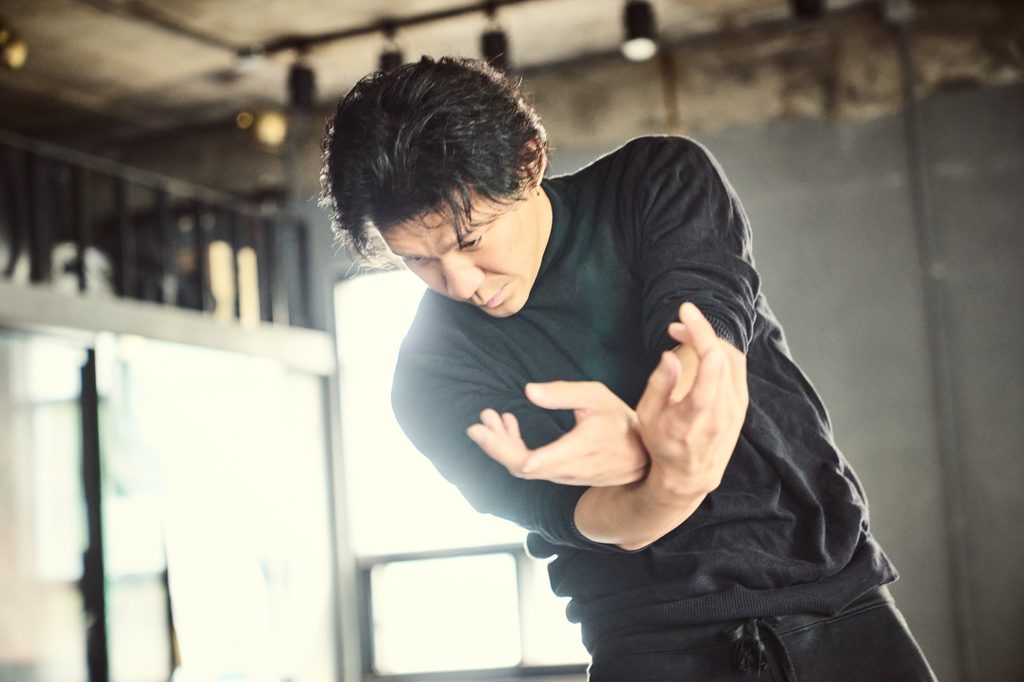
저는 ‘중용’이라는 말을 많이 생각합니다. 너무 과하지도, 너무 부족하지도 않은 상태에서 에너지를 만들어내는 것입니다. 물론 모두에게 적용되는 일정한 중간값이 있는 것은 아닙니다. 중요한 건 정해진 중간을 택하는 게 아니라, 제가 납득할 수 있는 균형을 찾는 거예요. 강한 에너지가 있다고 해서 그것을 전부 쏟아내는 것이 아니라, 어디까지 보여주고 어디에서 멈출지를 조절하는 것이죠. 제 몸 안에는 그러한 중용적 신체화를 생각하며 만들어온 두 가지의 춤 메소드가 있습니다. 호흡과 타격을 이용하는 Breathing Attack, 매화·난초·국화·대나무에서 가져온 네 가지 움직임을 바탕으로 한 Dying Tree 라는 춤방식입니다. 서로 다른 장르와 요소를 사용하더라도 제가 오래 만들어온 움직임은 모든 작품 안에 담깁니다. 결국 그 움직임들이 중심을 잡아주는 셈입니다. 음악도 비슷해요. 저는 서양 악기를 쓰더라도 중용의 미학을 만들어내려고 해요. 소리의 질감과 균형을 조절하다 보면 서양 악기인데도 어느 순간 동양 악기처럼 느껴질 때가 있거든요. 그래서 서로 다른 것을 섞는 것 자체가 목적은 아닙니다. 익숙한 구분이나 어느 한쪽의 기준을 따르기보다, 그 안에서 제가 납득할 수 있는 ‘중용’을 찾고 지키는 게 중요합니다.
Holding to your own standard without leaning too far in either direction can itself demand courage. What guides you toward that balance in your work?
I often return to the idea of the ‘golden mean.’ For me, it is about generating energy without tipping into excess or falling short. There is no single midpoint that applies to everyone. What matters is not choosing the middle for its own sake, but finding a balance I can stand behind. Having powerful energy does not mean releasing all of it. It means knowing how much to reveal and where to stop. My body carries two dance methods I developed with this idea of embodying the golden mean in mind. Breathing Attack uses breath and impact; Dying Tree,
is a dance method built on four movements inspired by plum blossom, orchid, chrysanthemum and bamboo. Even when I bring different genres and elements together, these movements, developed over many years, remain present in every work. They hold its center. Music works in much the same way. Even when I use Western instruments, I try to create an aesthetic of the golden mean. As I adjust texture and balance, a Western instrument can begin to feel almost Eastern. Mixing disparate elements is never the point in itself. What matters is finding and holding onto a ‘golden mean’ I can believe in, rather than following familiar categories or allowing one side to dominate.
Chapter 03.
익숙해진 나를 다시 흔들다
Chapter 03.
Unsettling the Familiar Self
자신만의 스타일을 만드는 데는 오랜 시간이 필요합니다.
하지만 이미 만들어낸 스타일에서 다시 벗어나는 데에는 또 다른 용기가 필요합니다.
김재덕은 자신의 방식이 익숙해질 때마다 그것을 다시 흔들고, 몸 안에 남아 있는 다른 가능성을 꺼냅니다.It takes years to forge a style of your own. Stepping outside a style he had worked so hard to build calls for a different kind of courage. Whenever his way of working begins to feel familiar, Kim Jae Duk unsettles it, drawing out other possibilities still held in the body.
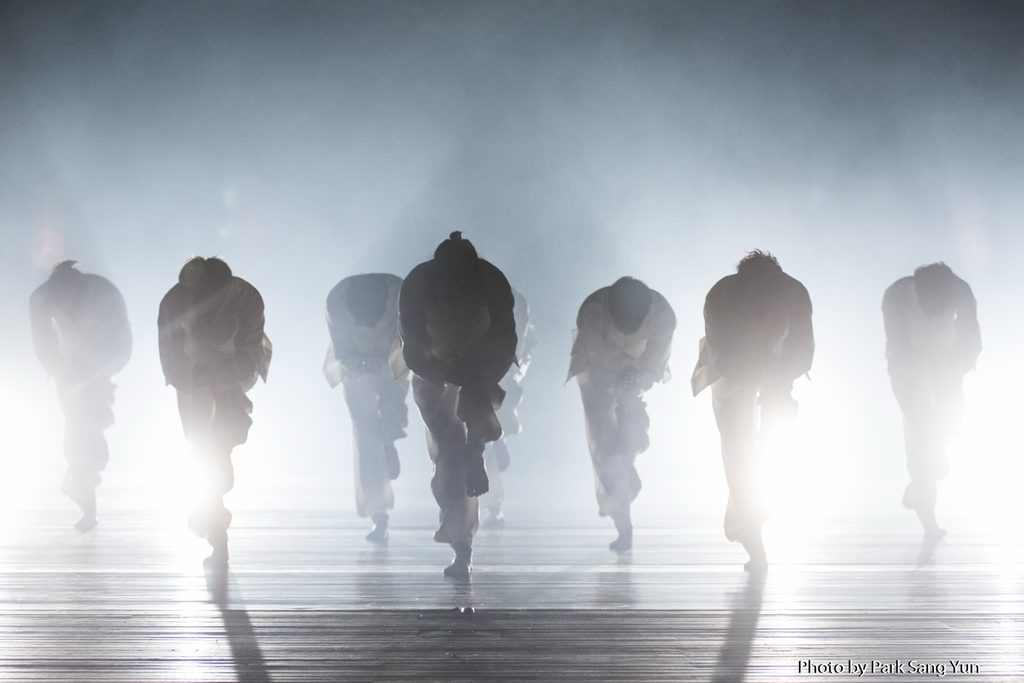
《다크니스 품바》를 비롯해 자신만의 움직임과 안무 방식을 이미 만들어온 시점에, 거의 모든 것을 즉흥에 맡긴 《시나위》를 시작했습니다. 익숙해진 자신의 방식에서 다시 벗어나고 싶었던 이유는 무엇이었나요?
그때는 ‘표현’ 자체를 더 중요하게 생각하던 시기였어요. 안무는 무용수와 대화하면서 제가 원하는 것을 어느 정도 정하고 설명해야 하잖아요. 반면 즉흥은 훨씬 직접적이고 직관적이라고 생각했습니다. 《시나위》는 그런 즉흥이 거의 전반을 차지하는 작품이었어요. 사람이 어느 순간 자기가 해오던 것을 모두 떨치고 다른 걸 해보고 싶을 때가 있는 것 같아요. 제가 가지고 있던 것 중에서 전혀 다른 모습을 보여주고 싶었어요. 그렇게 처음 15분 정도의 솔로 작품 《시나위》를 만들었는데 반응이 좋았고, 이후 계속 제안이 들어오면서 작업이 이어졌습니다.
By the time you created Sinawi, you had already developed a distinctive movement language and choreographic method through works such as Darkness Pumba. Yet Sinawi leaves almost everything to improvisation. What made you want to step away from a method you already knew so well?
At the time, expression itself mattered more to me. In choreography, you have to decide, at least to some extent, what you want, then explain it to the dancers. Improvisation felt far more immediate and intuitive. In Sinawi, it came to occupy almost the entire work. I think there are moments when you want to cast off everything you have been doing and try something completely different. I wanted to bring out a completely different side of myself. The first version of Sinawi was a solo work of about 15 minutes. It was well received, and as more invitations followed, the work continued from there.
이미 익숙하고 잘할 수 있는 방식이 있는데도, 계속 자신을 바꿔야 하는 작업을 이어가는 이유는 무엇인가요?
《시나위》에는 정해진 약속이 많지 않습니다. 전체적인 구성과 몇 가지 동작만 있고, 나머지는 음악 안에서 자유롭게 움직입니다. 그래서 공연할 때마다 동작이 조금씩 달라져요. 짜여 있는 작품은 정해진 동작을 반복해서 연습할 수 있지만 즉흥은 그렇지 않습니다. 이전 공연과 똑같지 않으면서도 억지로 새로운 것을 만들려고 해서는 안 되기 때문에 오히려 더 부담스럽죠. 계속 이어가려면 저 자신도 계속 달라져야 합니다. 저는 그걸 저를 ‘수리하는 일’이라고 표현해요. 제 정체성은 그대로 두되, 몸이 다른 방식으로 자연스럽게 움직일 수 있도록 계속 새롭게 만드는 거죠.
You already had a language you knew intimately and could perform with confidence. Why continue making work that asks you to change?
Very little is fixed in Sinawi. There is an overall structure and a handful of set movements, but everything else unfolds freely within the music. The movements shift slightly with every performance. In a fully choreographed piece, you can rehearse the same sequences again and again. Improvisation offers no such security. The performance cannot simply repeat the last one, but neither can I force novelty for its own sake. That makes it more demanding. To keep the work alive, I have to keep changing too. I call it ‘repairing myself.’ My identity remains intact, while I continually retune the body so it can move naturally in different ways.
그렇게 자신을 계속 ‘수리’하며 새로운 모습을 찾게 만드는 힘은 어디에서 나오나요?
저도 얼마 전 그런 생각을 해봤어요. 결국 저는 ‘멋’에 대한 욕심이 강한 것 같습니다. 정체되어 있기보다 계속 새로운 멋과 맛을 찾고 싶은 거죠. 익숙한 방식에 머무르지 않고 계속 다른 것을 찾아가는 데는 어느 정도 용기도 필요한 것 같아요. 제가 생각했을 때 무언가 멋지게 만들어지는 순간에 큰 만족감과 희열을 느끼는 것 같아요.
What drives you to keep ‘repairing’ yourself in this way and discovering new sides of yourself?
I was thinking about that recently. In the end, I think I have a strong desire to keep discovering new forms of style and sensibility. I would rather keep searching than become fixed in one place. It takes a certain courage to leave a familiar method behind and look elsewhere. When something comes together and feels genuinely compelling, I experience an immense sense of satisfaction and exhilaration.
새로운 방식을 찾는 과정이 늘 즉흥으로만 향한 것은 아닙니다. 이후에는 오히려 자신의 움직임을 구체적인 테크닉으로 정리하기 시작했는데요. 다시 다른 방향으로 나아가게 된 계기는 무엇이었나요?
처음부터 저만의 동작은 있었지만 대부분 직관적으로 만들었습니다. 해외에서 작업을 이어가며 ‘계속 직관에만 의존해서는 안 되겠다’는 생각이 들었어요. 제가 어떤 춤을 추는 사람인지 더 분명하게 알고 싶었습니다. 그래서 움직임을 구체적인 테크닉으로 만들고 이름을 붙이기 시작했습니다. 작품 《속도》에서는 그렇게 정리한 움직임 자체에 집중했고, 서사도 많이 덜어냈습니다. 이야기가 사라지면 결국 무대에는 춤 자체가 남으니까요.
Your search for new approaches did not lead only toward improvisation. Later, you began to codify your movements into specific techniques. What prompted that shift?
I had movements of my own from the beginning, but most were created intuitively. As I continued working abroad, I began to feel that intuition alone could not carry me forever. I wanted a clearer understanding of the kind of dancer I was. So I began to define my movements as specific techniques and give them names. In Sok-do (Velocity), I focused on the codified movements themselves and pared back much of the narrative. Once the story falls away, what remains onstage is the dance.
움직임을 하나의 방법으로 정리한 뒤에는 관심이 몸과 색, 공간으로까지 넓어집니다. 춤을 계속 파고들수록 오히려 바라보는 범위가 넓어지는 것 같아요. 자신의 춤을 깊이 들여다볼수록 그 너머의 새로운 영역이 보이기 시작한 건가요?
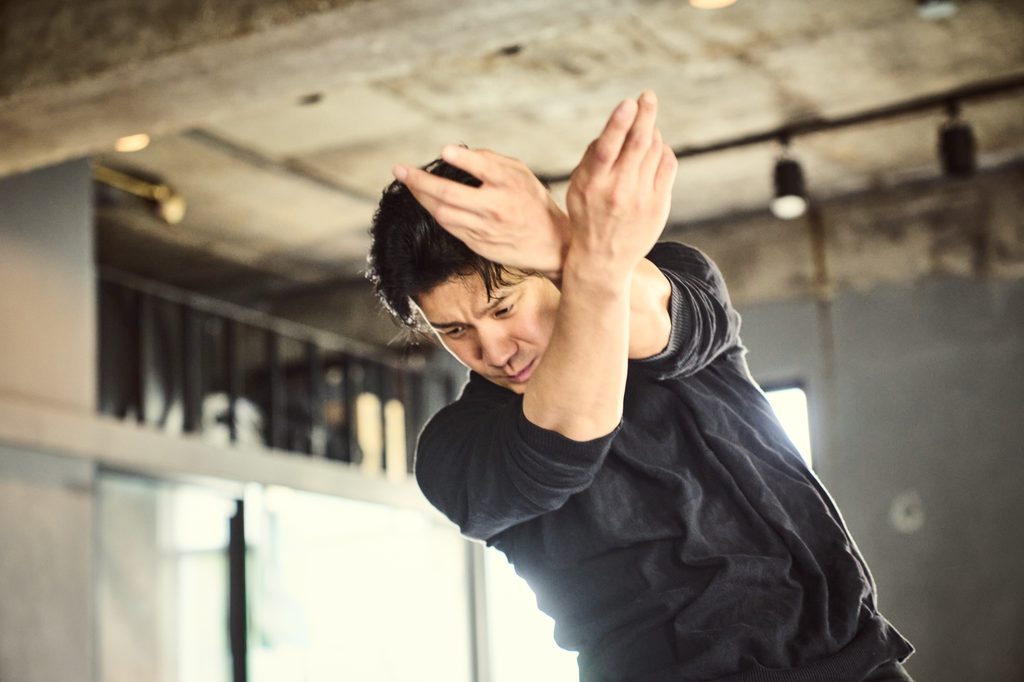
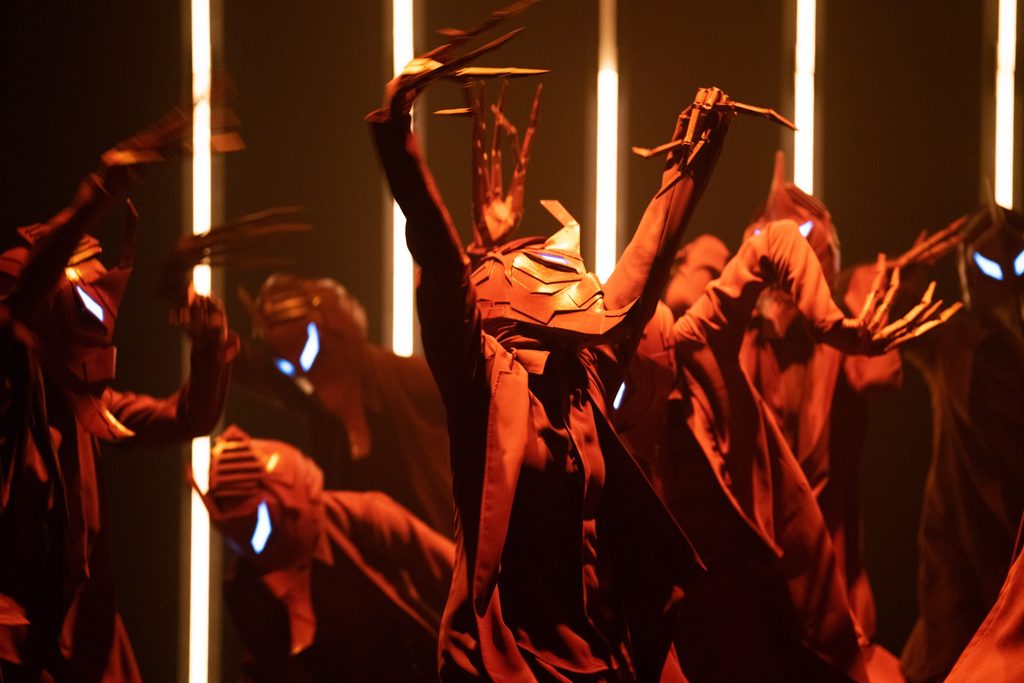
맞아요. 춤의 메소드와 움직임을 계속 만들다 보니 자연스럽게 그 너머가 보이기 시작했습니다. 어느 순간 ‘춤만 디자인해서는 안 되겠다’는 생각이 들었어요. 춤추는 사람의 몸 자체가 궁금해졌고, 몸을 다르게 보기 시작하니 그 몸이 놓이는 색과 공간도 함께 보였습니다. 익숙한 영역에 머무르지 않고, 계속 그 너머를 들여다보게 되는 것 같아요. 《브라운》은 그런 관심이 몸에서 색과 공간으로 확장된 작업입니다.
Once you began organizing movement into a method, your attention expanded to the body, color and space. The deeper you went into dance, the wider your field of vision seemed to become. Did looking more closely at your own dance begin to reveal what lay beyond it?
Exactly. The more I developed methods and movements, the more clearly I began to see what lay beyond them. At a certain point, I thought, ‘Designing the dance alone is not enough.’ I became curious about the dancer’s body itself. Looking at the body differently also brought the color and space around it into view. I seem compelled to look beyond familiar territory rather than remain within it. Brown grew out of that expanding attention, moving from the body toward color and space.
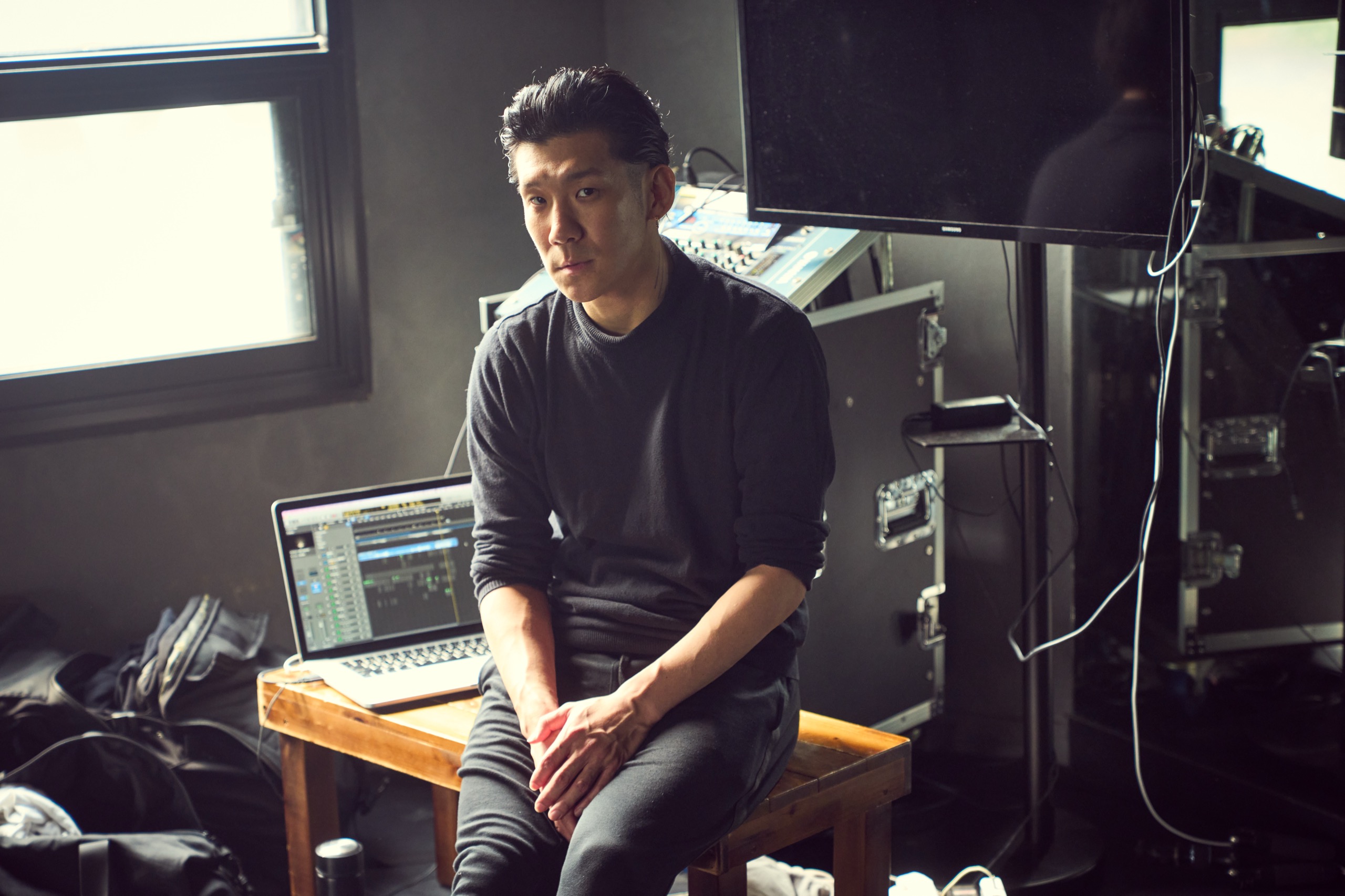
김재덕
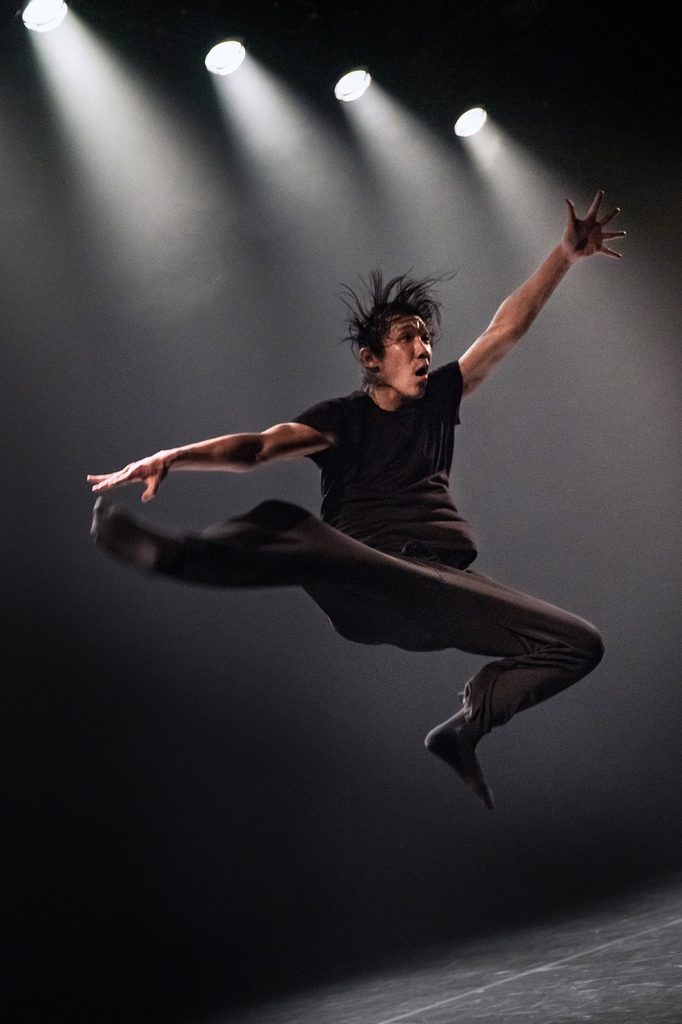
김재덕은 현대무용단 모던테이블을 이끌며 안무가, 무용가, 음악가로 활동하고 있다. 한국무용과 발레 등 다양한 움직임의 경험을 바탕으로 강렬한 동작과 직접 작곡한 음악을 결합해 자신만의 무대 언어를 구축해왔다. 대표작으로는 전통적인 품바를 현대적으로 재해석한 〈다크니스 품바〉, 즉흥성과 신체의 리듬을 강조한 〈시나위〉, 서울시무용단 〈일무〉 등이 있다.
KIM JAE DUK
Kim Jae Duk is a choreographer, dancer, and musician who leads the contemporary dance company Modern Table. Drawing on Korean dance, ballet, and contemporary movement, he has developed a distinctive stage language that combines powerful physicality with self-composed music. His major works include Darkness Poomba, Sinawi, and One Dance (Ilmu).
Epilogue
새로운 작품을 만드는 동안에도 오래된 작품은 그의 곁에 남아 있습니다. 2006년 초연한 《다크니스 품바》는 20년 동안 200회 넘게 무대에 올랐습니다. 하지만 200회가 넘는 무대가 같은 반복이었던 것은 아닙니다. 그사이 김재덕의 몸에는 새로운 움직임이 쌓였고, 같은 동작을 표현하는 방식도 달라졌습니다. 예전에는 에너지를 그대로 쏟아냈다면 지금은 어디까지 보여주고 멈출지를 조절합니다. 그는 오래된 작품도 시간과 함께 ‘숙성된다’고 말합니다. 김재덕에게 오래 한다는 것은 같은 것을 반복하는 일이 아니라 ‘깊게 파고드는 것’에 가깝습니다. 처음에는 그저 좋아서 만들었던 동작을 다시 보며 왜 만들었는지, 왜 관객이 좋아했는지를 묻습니다. 같은 것을 오래 들여다볼수록 질문은 오히려 더 깊어지고, 이전에는 보이지 않던 다음 단계가 모습을 드러냅니다. “이제는 몸 자체를 더 디자인해보고 싶어요.” 오래 이어온 작업 안에서 계속 새로운 질문을 발견하고, 그 질문을 따라 다시 자신을 바꾸는 것. 김재덕의 작업은 그렇게 끊임없는 자기 갱신을 통해 다음으로 나아갑니다.
Even as he creates new work, earlier pieces remain by his side. Since its 2006 premiere, Darkness Pumba has been performed more than 200 times over two decades. Yet those performances have never been mere repetitions. New movements have accumulated in Kim Jae Duk’s body, changing the way he inhabits the same choreography. Where he once released his energy without reserve, he now controls how much to reveal and where to stop. Older works, he says, ‘mature’ with time. For Kim, staying with a work over time is less about repetition than about going deeper. He returns to movements he once made simply because he liked them, asking why he created them and why audiences responded. The longer he stays with the same material, the deeper the questions become. In time, a next step that was once invisible begins to emerge. “Now I want to go further and design the body itself.” To keep discovering new questions within a practice sustained over many years, and to let those questions change him in turn: this continual renewal is how Kim Jae Duk’s work keeps moving forward.