전통은 이 시대에 살아있는 것
Keeping Tradition Alive Today
이희문은 데뷔 당시부터 많은 주목을 받은 소리꾼이다. 초반에는 여성이 대다수인 경기민요에 흔치 않은 남성 소리꾼으로, 이후에는 고정관념을 깨는 신선하고 자유로운 스타일의 음악과 비주얼로 늘 화제가 됐다. ‘오더메이드 레퍼토리’로 복합장르를 시도하며 경기민요를 현대적으로 재해석했고, 민요 록밴드 ‘씽씽SsingSsing’, 재즈그룹 프렐류드와 협업한 ‘한국남자’ 프로젝트, 밴드 오방神과(OBSG), ‘깊은사랑’ 시리즈, ‘날(陧)’ 등을 통해 여러 아티스트와 다양한 음악적 시도를 해왔다. 소리길로 접어든 지 20년이 된 지난해, 그는 자전적 레퍼토리인 ‘강남’ 시리즈의 첫 번째 공연 ‘강남오아시스’를 무대에 올렸고 연말에는 ‘한달한옥’이라는 타이틀로 경기 12잡가를 완창하는 특별한 시간도 가졌다. ‘전통을 하는 사람은 항상 같은 모습으로 있어야 할까?’ 이희문은 세간의 선입견에 반문한다. 그가 생각하는 전통은 무엇이고, 장르를 넘나드는 원동력은 어디에서 나오는 걸까.
Heemoon Lee is a singer who has received a lot of attention since his debut. In the beginning of his career, he was one of the rare male singers of Gyeonggi minyo, as most were female singers. Later, Lee would often become a hot topic for his fresh and free style of music and visuals that constantly broke stereotypes. As someone who reinterpreted Gyeonggi minyo in a contemporary way, he worked on a complex genre through the Order-made Repertory project. Over the years, he has tried various types of music with different artists. For example, he participated in the folk rock band SsingSsing and conducted the Korean Men project in collaboration with the jazz group Prelude. He also organized the band OBSG, released the Deep Love series, and took part in the NAL project. Last year, 20 years after getting his start as a professional singer, he staged Gangnam Oasis, the first performance that is part of his autobiographical repertoire Gangnam series. At the end of the year, he also had a special time singing all of the Gyeonggi 12 jabga under the title “Handal Hanok.” Should a traditional artist always keep the same image? Heemoon Lee asked this question back to himself regarding the public’s preconceptions. So what does tradition mean to him, and where does the driving force for his singing across genres come from?
About the Interviewee
이희문은 국가무형문화재 제57호 경기민요 이수자로 경기민요 고주랑 명창의 아들이다. 영상을 전공하고 뮤직비디오 연출을 하다가 27세에 이춘희 명창의 권유로 소리를 시작했다. 전통을 기반으로 장르를 넘나드는 음악을 추구하는 그는 2010년 전국민요경창대회 종합부문 대통령상, 2014년 KBS 국악대상 민요상, 2015년 제23회 전통예술부문 오늘의 젊은 예술가상, 2021년 국립국악원 개원 70주년 유공자 포상 문화체육관광부 장관 표창, 서울시문화상을 받았다.
Heemoon Lee is a certified trainee in Gyeonggi minyo, National Intangible Cultural Heritage No. 57, and the son of Gyeonggi minyo master Ko Jurang. He majored in film production and directed music videos before starting his professional career as a singer at the age of 27 after following the advice of Master Lee Chun-hee. Based on a long, distinguished tradition, Heemoon Lee pursues music that crosses the borders of different genres. Lee was the recipient of the President’s Award at the 16th National Folk Song Competition in the comprehensive category in 2010, the Folk Song Award at the 2014 KBS Traditional Music Awards, and the 23rd Young Artist Award in 2015. He also received a commendation from the Minister of Culture, Sports and Tourism at the National Gugak Center in 2021 and from the Seoul Culture Awards in 2021.
Q1.
본격적으로 소리를 시작한 때가 2003년이니 작년에 딱 20년이 되었습니다. 지난 연말에는 뜻깊은 공연도 있었죠. 12월 한 달간 매일 〈이희문 X 아름지기 ‘한달한옥’〉을 진행하며 경기 12잡가를 완창했어요. 감회가 새로웠을 것 같아요.
Q1.
You started singing professionally in 2003, so it has been exactly 20 years that you have been doing this. You had a meaningful performance last December when you sang all the Gyeonggi 12 japga 1) for a whole month, holding an event titled “Lee Heemoon X Arumjigi Handal Hanok.” It must have felt really new doing all of that, didn’t it?
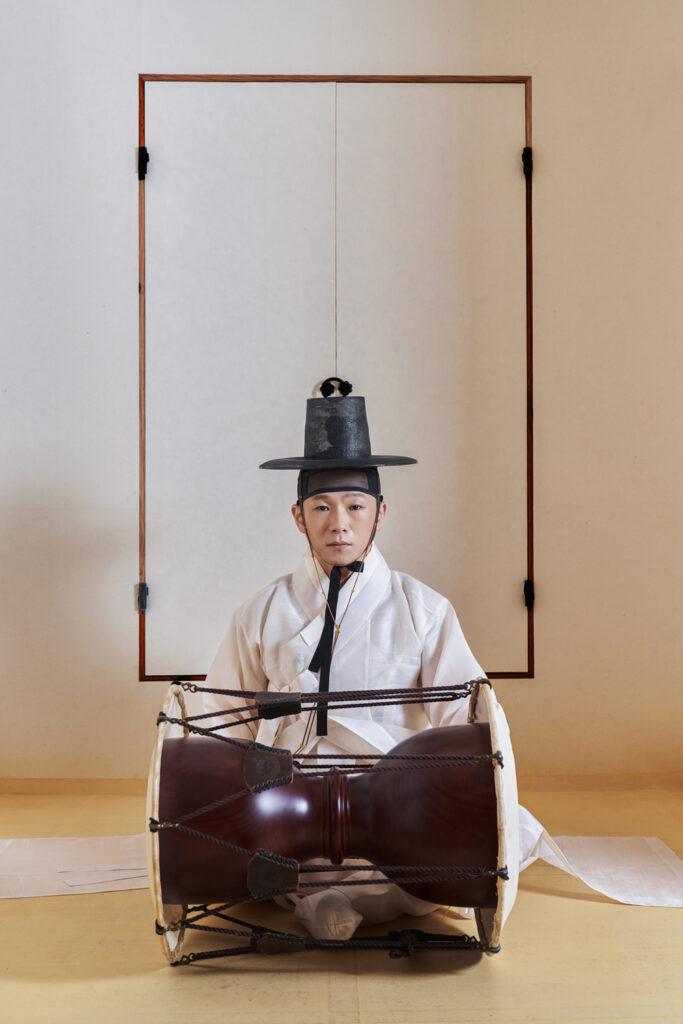
판소리를 하는 분에게 판소리 다섯 바탕 완창이 꿈이라면 경기민요를 하는 사람에게는 경기 12잡가 1)가 있어요. 언젠가 한 번 경기 12잡가를 완창하려는 마음이 있었는데, 작년에 이루게 되었습니다. 한옥의 자연 음향과 울림이 참 좋아서 아름지기에 제안했어요. 제가 한옥에 실제 거주하면서 매일 손님을 초대해 소리와 다과, 이야기를 즐기는 콘셉트였죠. 공연장과 달리 소수의 관객만 모실 수 있는 공간이었기 때문에 한 달이란 기간이 필요했어요. 12곡을 완창하면 2시간 30분 정도 걸리는데 이야기를 섞어가며 4시간 정도의 공연으로 구성했죠. 어떤 날은 5시간 공연하기도 했고요. 소리꾼은 하절기와 동절기, 한 번씩 산에 들어가 스승님께 하루 종일 소리만 배우는 수련 과정이 있는데요. 그런 수련을 한다고 생각했어요. 장구 하나만 앞에 놓고 긴 시간을 공연한다는 게 무척 특별하면서도 두려움이 생기는 지점이었죠. 목이 잘 버틸지 모르는 무모한 상태로 시작했지만, 다행히 마지막까지 잘 마쳤습니다.
If a person who performs pansori has to sing five pansori works on their own, a person who performs Gyeonggi minyo has to sing 12 jabga songs. I had long wanted to sing the full version of the 12 japga one day, and that dream came true last year. I suggested holding the event to the Arumjigi Culture Keepers Foundation because the natural sound and echo of the hanok is really good. It was a concept of an event in which I actually lived in a hanok and invited guests every day to enjoy songs, refreshments, and talk. Unlike a concert hall, it was a space where only a small audience could be accommodated, and so we needed a whole month to make this happen. It takes about two and a half hours to complete 12 songs, but we mixed in some talking and organized a four-hour performance. One day, we even performed for five hours. A traditional singer goes into the mountains once every summer and winter, at which time they learn how to sing properly only from their teacher all day long. I thought the performance I was putting on was that kind of training. It was both very special and very scary to perform for that length of time with just one janggu (double-headed drum) in front of me. I started a little recklessly, not knowing if my neck would be okay throughout an entire one-month performance period, but fortunately things turned out well right up until the end.
Q2.
기존의 틀을 깨는 방식으로 새로운 공연을 많이 열었습니다. 최근 선보인 작품은 자전적 레퍼토리였죠. 작년에는 3년간 진행하는 ‘강남’ 3부작을 시작하면서 처음으로 작사에도 참여했어요.
Q2.
You have held many new performances in a way that has broken with the existing framework. Your latest work was an autobiographical repertoire. Last year, you helped write lyrics for the first time when starting the three-year Gangnam trilogy. Tell us about that project.
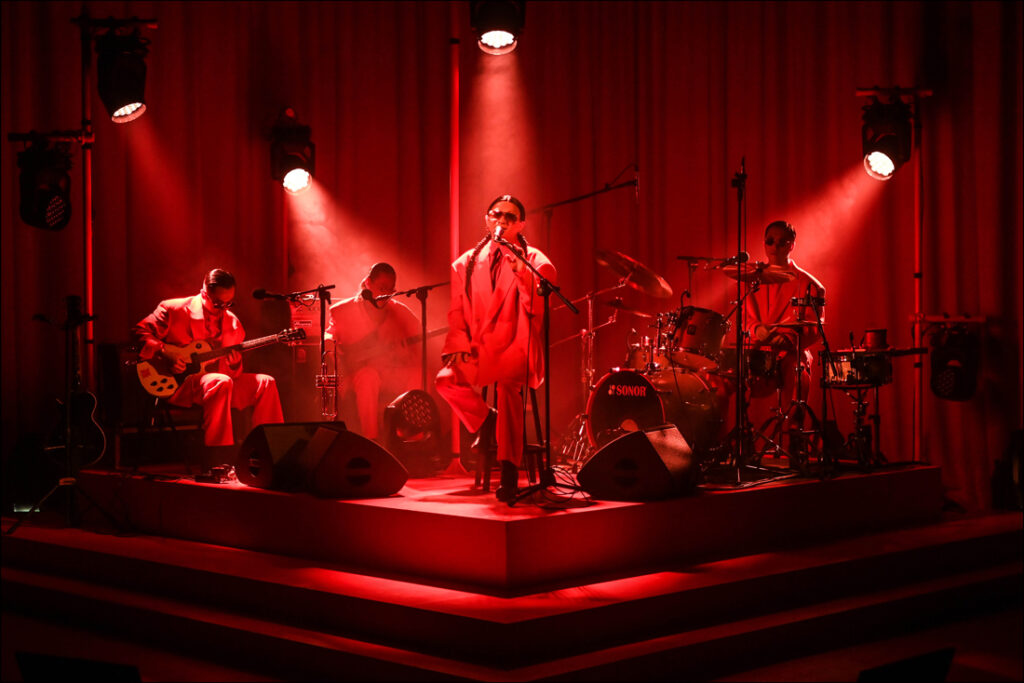
기존 시리즈를 마무리하고 새로운 작업을 시작하면서 이제 이런 이야기를 직접 한번 해보면 어떨까 생각이 들었어요. 어린 시절부터 민요를 시작하기 전까지의 제 이야기가 민요를 하는 제 행보에 뒷받침이 될 수 있을 것 같았거든요. 전통민요를 모티브 삼아 바꾸거나, 함께 작업한 뮤지션 까데호의 기타리스트 이태훈 씨가 새롭게 작곡한 곡으로 구성했어요. 제 이야기를 담기 위해 직접 작사도 했죠. 지난해 첫 작품인 ‘강남오아시스’에 이어서 올 11월에는 ‘강남’ 시리즈 2부를 공연할 계획이에요.
After finishing the existing series and starting a new project, I thought it would be nice to talk about this in person. I thought about my childhood—up until I started singing minyo—and how it could support my move to sing minyo professionally. The new series consisted of changed songs with motifs from traditional folk songs and other songs newly composed by Taehoon Lee, the guitarist in the band Cadejo. I wrote the lyrics myself to tell my own story. Following last year’s first work, Gangnam Oasis, we are planning to perform the second part of the Gangnam series this November.
Q3.
전통음악 중에서도 서울을 중심으로 전승된 경기민요의 매력은 무엇일까요?
Q3.
Compared to other Korean traditional music, what is the distinctive charm of Gyeonggi minyo that has been handed down centering around Seoul?
경기민요의 역사를 살펴보면 조선 말 고종황제 때 당대의 스타였던 박춘재 명창이 있어요. 워낙 재담이 뛰어났고 풍자적인 노래를 잘하셨는데, 그게 오늘날의 개그로 이어졌다고 볼 수 있죠. 경기민요에는 즐거운 내용도, 슬픈 내용도 있는데 슬픈 내용의 곡들은 반어적으로 표현해요. 대부분 장조를 쓰거나, 더 화려한 선율로 노래하는 식이죠. 그게 마치 블랙 코미디 같다는 생각도 드는데요. 저는 그런 점이 서울 사람의 성품을 대변하고, 경기민요의 매력이라고 생각해요.
If you look at the history of Gyeonggi minyo, you’ll definitely come across Master Chunjae Park, who was a star during the time of Emperor Gojong at the end of the Empire of Korea. His satirical songs were so witty that it’s no exaggeration to say he was the godfather of today’s Korean “gag” genre of comedy. Gyeonggi minyo has content that is both joyful and sad, but the sad songs were expressed in an ironic way. They are mostly performed in a major scale, or sung with a really gorgeous melody. In my opinion, it’s a little like black comedy. I think such aspects represent the personality of Seoulites and are the charm of Gyeonggi minyo.
Q4.
경기민요를 기반으로 다양한 장르의 융합을 시도 중입니다. 과감하게 경계 넘는 일을 도전하게 된 음악적 변곡점은 언제였나요?
Q4.
You are trying to combine various genres based on Gyeonggi minyo. At what point was there a musical inflection point where you boldly accepted the challenge to cross over the proverbial border between genres?
2008년부터 직접 공연을 제작하면서 변화에 대해 계속 고민했어요. 하지만 제 생각만큼 큰 변화가 있진 않았죠. 그러던 2013년, 현대무용을 하시는 안은미 선생님께 제 공연의 연출을 부탁드리며 그 영향을 받아 다양한 시도를 해보게 됐습니다. 안은미 선생님은 ‘본인이 하고 싶은 걸 할 때가 가장 빛난다’며 제가 하고 싶은 걸 하라고 말씀하셨어요. 제가 좋아하는 민해경, 마돈나처럼 되고 싶으면 그렇게 하라고, 당신이 연출가로서 방패막이가 되어 주시겠다고 했죠. 많은 자극과 동기를 부여하던 그 순간이 가장 큰 변곡점이 되지 않았나 싶어요.
I’d been thinking a lot about making a change since 2008, a time when I started to produce my own performances. But I didn’t make as much of a change back then as I’d hoped. Then, in 2013, I asked Eun-Me Ahn, a contemporary choreographer, to direct my performance, and I came to try a number of different things, many of which were influenced by Ahn. As she put it, “When you do what you want to do, you shine the most.” She went on to urge me to do what I wanted to do. She told me to perform like my favorite singers, such as Min Hae-kyung and Madonna, if I wanted to, saying that she would become my shield as the director. I think the biggest inflection point came at that moment when I was highly inspired and motivated.
Q5.
그 공연이 바로 오더메이드 레퍼토리 ‘잡(雜)’이죠. 이듬해인 2014년 ‘쾌(快)’까지 거치며 의상과 메이크업 등 비주얼 측면에서 과감한 변화를 보여주었습니다. 한복이 당연하다고 여겨지는 남자 소리꾼의 패션으로는 무척 놀라웠어요.
Q5.
In 2014, the following year after your performance of Jap (雜), an Order-made Repertory, you performed Kwae (快), and showed drastic changes in terms of your visuals, such as clothes and makeup. As for the fashion of a male traditional singer, hanbok was almost always a given, yet your fashion was really surprising.
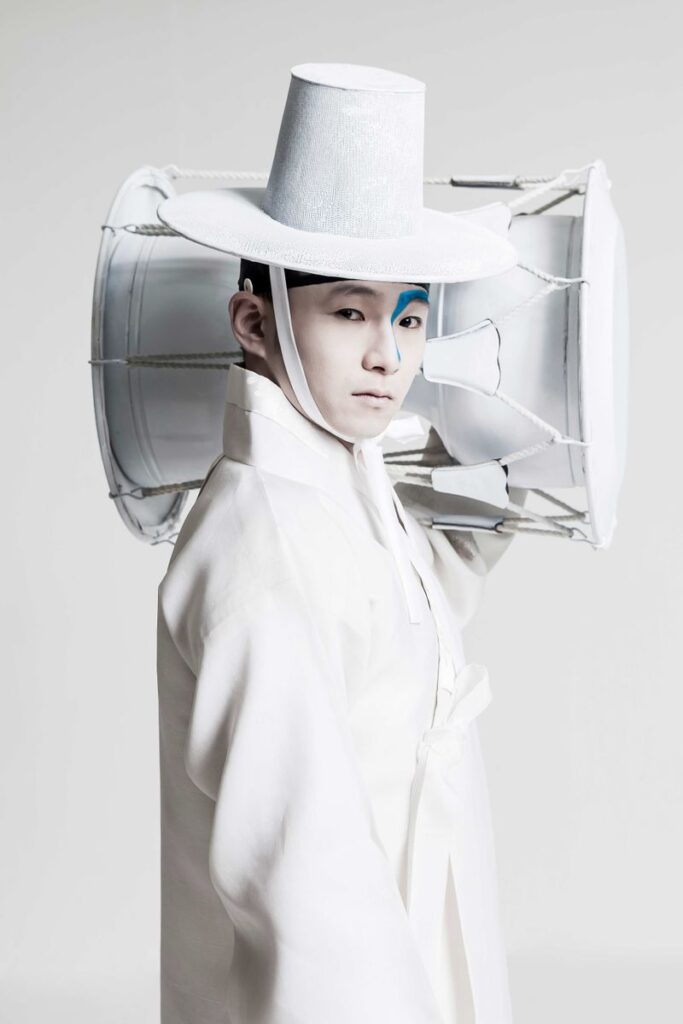
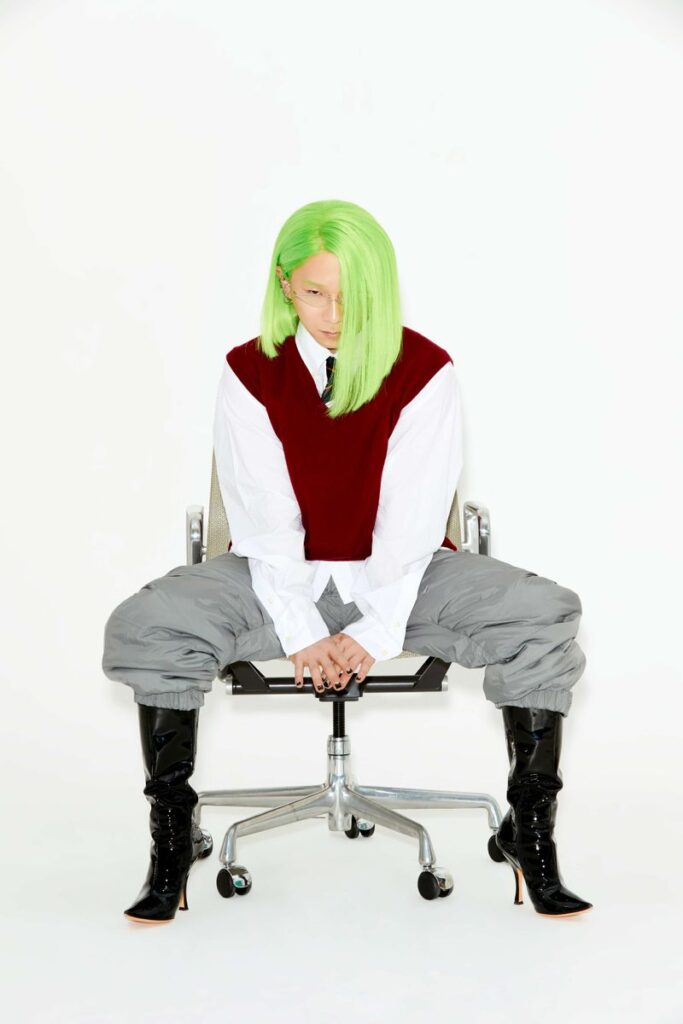
경기민요를 하는 남성 소리꾼이 드문 상황에서 정체성을 규정지을 수 없는 복장으로 소리를 하는 와중에 저는 어린 시절 어머니를 보며 여성 소리꾼을 흉내 내던 기억을 떠올리기도 했어요. 그게 그냥 즐거웠죠. 한국 사회에서 받아들이기 힘든 일이고, 제가 전통음악을 하니까 더욱더 그랬겠지만, 안은미 선생님 덕분에 용기를 낼 수 있었습니다. 처음엔 저도 모르게 정신적으로 힘들었던 것 같아요. 반짝이 옷을 입으면 두드러기가 올라오고 스트레스로 인한 역류성 식도염까지 생기는 등의 반작용이 있었거든요. 하지만 그런 과정을 겪은 이후로는 면역력이 생겼는지 더 과감해질 수 있었습니다. 가발이든 하이힐이든 일단 해보고 나니 별 게 아니었던 거죠. 분야를 막론하고 동시대성은 꼭 필요하고, 지금 이 시대에는 비주얼에 관한 패션 철학이 중요해요. 전통음악을 하는 사람이 늘 변함없는 모습만 보여준다면 사람들은 전통음악이 박물관에 있는 거라고 생각하지 않을까요? 그런 폐쇄적인 태도는 저와 맞지 않았어요. 저는 전통음악 무대에서 관객에게 판타지를 준다는 마음으로 남들과 다르게 해보고 싶었습니다. 막상 해보니 퍼포머로서 또 다른 인격체로 바뀌는 느낌이 들고 자신감도 생기더군요. 소리를 하기 전에 뮤직비디오 연출을 했던 경험이 비주얼과 환상을 만드는 데 영향을 미치기도 했고요. 제가 추구한 비주얼은 동료와 후배에게 하나의 예시가 될 수 있다고 생각해요.
At a time when male vocalists for Gyeonggi minyo were rare, I recalled the memory of imitating female vocalists while gazing at my mother when I was a child and singing in a gender-indeterminate costume. It was just fun. It’s hard to be accepted in Korean society when you’re different in such a way—even more so because I performed traditional music—but thanks to Eun-Me Ahn, I was able to gather the courage to wear such clothes and makeup. At first, I think I had a hard time mentally without even realizing it. When I wore shiny clothes, for example, I’d sometimes suffer from hives and reflux esophagitis caused by stress. But after going through that process, I was able to become bolder, maybe because I had become immune to it all. Whether it was a wig or high heels, once I tried it, it wasn’t a big deal anymore. Contemporaneity is essential regardless of the field you’re in, and fashion philosophy regarding visuals is important today. Wouldn’t people think that traditional music should be in museums if people working in the field always showed the same unchanging image? Such closed-mindedness didn’t suit me. I wanted to do it differently from others with the frame of mind of offering the audience a fantasy on a traditional music stage. When I actually did it, I felt like I was morphing into another person as a performer, which allowed me to gain confidence. The experience of directing music videos before becoming a singer also influenced me in terms of creating visuals and fantasies. I think the visuals I pursued can now be seen as an example for my colleagues and younger people in the field.
Q6.
전통음악과 동시대 사운드가 만나 이질감이 아닌 시너지를 내뿜는 공연이 많습니다. 재즈밴드 프렐류드와 함께한 한국남자, 노선택이 이끄는 허송세월 밴드와 놈놈이 함께한 OBSG처럼 서로 다른 음악을 하는 뮤지션과는 어떻게 협업하시나요?
Q6.
There are many performances where traditional music and contemporary sound meet and create a synergy, not heterogeneity. For example, you collaborated with the jazz band Prelude for the Korean Men project and you organized the band OBSG with the Heosongsewol band (led by Noh Seon Teck) and with the duo NomNom. How do you collaborate with musicians who perform different styles of music?
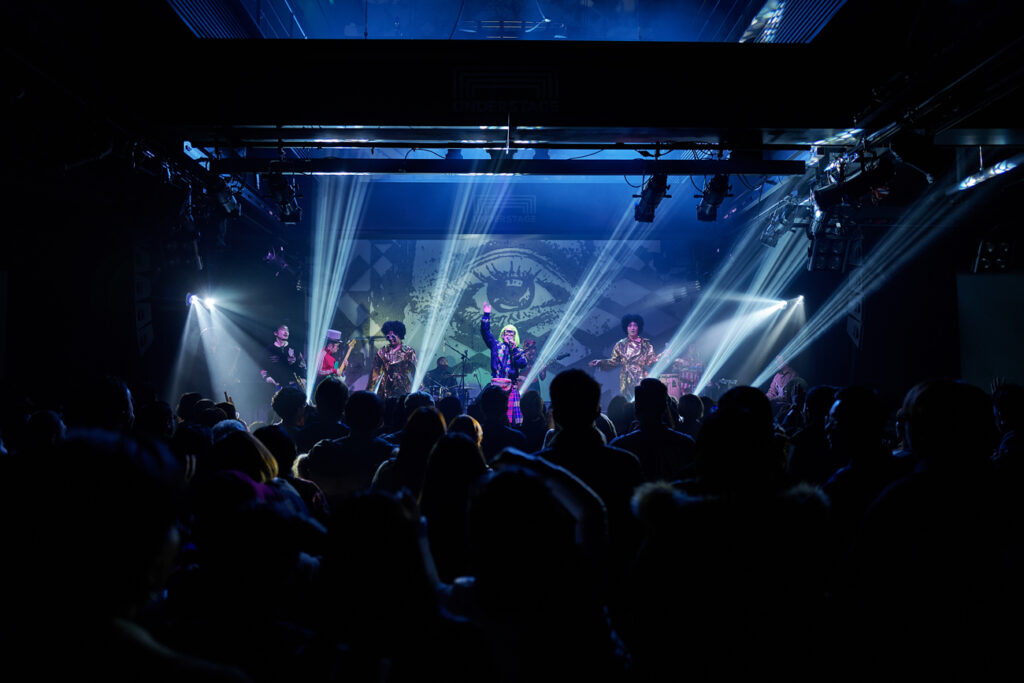
저는 사람이 먼저인 것 같아요. 어떤 음악을 만들겠다는 목적으로 만나기보다는 그동안 활동하면서 알게 된 뮤지션에게 매력을 느끼고 함께 작업을 해보고 싶다고 생각하면서 일을 시작하죠. 다른 장르에서 활동하지만 의외로 전통음악에 가까이 다가온 뮤지션이 존재하거든요. 그런 사람과 협업하다 보면 이런저런 경계가 무너지고 원칙 또한 깨지죠. 하지만 제가 지닌 전통 소리와 창법은 지키려고 노력합니다. 어떤 뮤지션을 만나더라도 상대방을 설득할 수 있을 정도로 기본기를 다져왔고 소리를 해왔으니까요. 후배에게도 늘 기본기가 탄탄해야 다른 뮤지션 앞에서 흔들리지 않을 수 있다고 강조합니다.
I think people come first. Rather than meeting for the purpose of making some music, I start working with the idea that I want to collaborate with the musicians I’ve known while working. There are musicians who are active in other genres, but surprisingly close to traditional music. When you collaborate with someone like that, boundaries are broken and principles are rewritten. But I try to keep my traditional sound and singing style. I’ve built up my basic skills and singing ability enough to persuade the other person I’m working with—no matter who the musician is—of my talent. I also emphasize to younger musicians that we must always have solid basic skills so as not to be rattled when in front of other musicians.
Q7.
지금까지의 활동에서 NPR의 ‘타이니 데스크 콘서트Tiny Desk Concerts’ 출연을 언급하지 않을 수 없어요. 그때 함께했던 밴드 씽씽은 해체했지만요. 한국 전통음악을 기반 삼은 사운드가 해외에서 회자되는 힘은 무엇이라고 생각하세요?
Q7.
Out of all your activities to date, I cannot help but single out your appearance in NPR’s Tiny Desk Concerts. And yet the band that was with you at the time, SsingSsing, broke up. In your opinion, what kind of distinctively charming sound based on traditional Korean music makes people talk about it in other countries?
일단, 사운드에서 이질감을 별로 느낄 수 없다는 점이 커요. 일반적인 밴드 사운드를 많이 차용하고 다양한 리듬에 맞는 민요를 대입해서 노래를 만들었거든요. 그리고 씽씽의 노래에는 한국적이라고 느낄 만한 요소가 있어요. 경기민요 특유의 발성에서 비롯한 것인데요. 비록 스타일링은 서구적이라도, 한국적인 뉘앙스와 몸 사위가 자연스럽게 묻어나는 모습이 그들에게 색다르게 다가갔을 거예요. 많이 낯설지는 않으면서 신선한 느낌이죠.
First of all, listeners can’t really feel a significant difference in my sound from music played elsewhere in the world. I borrowed a lot of general “band sounds” and made songs by incorporating folk songs that fit various different rhythms. There’s an element with SsingSsing that makes you feel Korean. It comes from the unique vocalization of Gyeonggi minyo. Even if the styling is Western, the Korean nuance and natural gestures to it may have approached listeners differently. It’s not that unfamiliar, but it feels fresh at the same time.
Q8.
경기민요 이수자가 전통의 틀을 벗어나는 광경을 곱지 않은 시선으로 바라보는 경우도 있었을 것 같아요. 그만큼 전통에 대해 계속 고민했겠지요. 희문 님이 생각하는 전통은 무엇일까요?
Q8.
It seems to me that there may have been some cases where people looked down at a certified trainee of Gyeonggi minyo going outside the traditional framework. I guess you have been concerned about tradition for quite a long time. What do you think makes something a tradition?
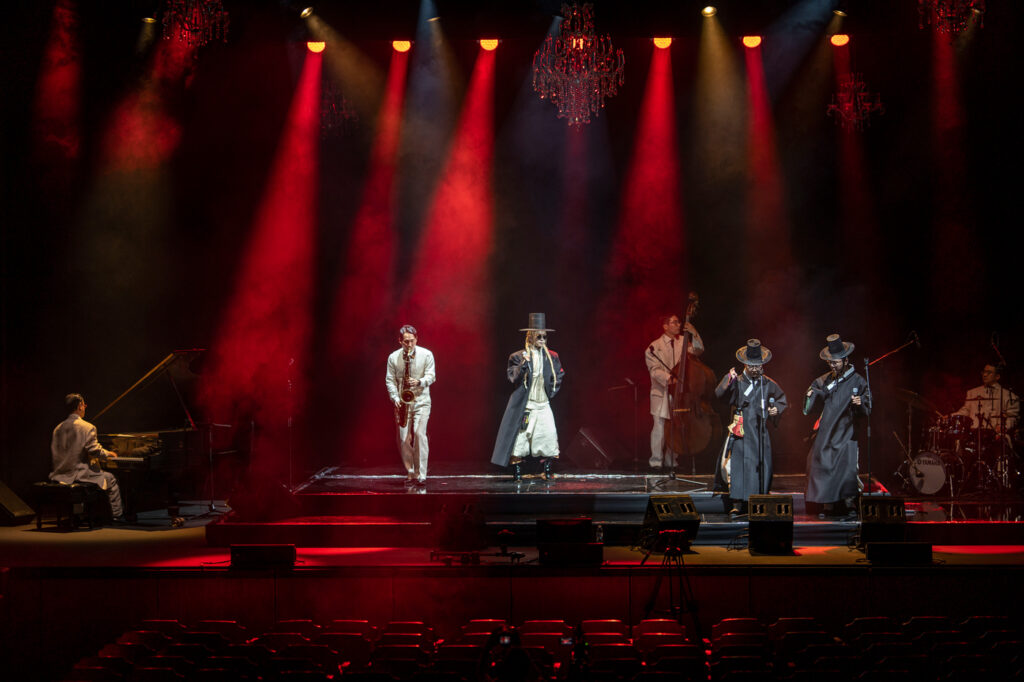
저는 전통이 어딘가에 머무르거나 박제됐다고 생각하지 않아요. 전통은 현재진행형입니다. 우리가 전통이라 부르는 대상은 과거에 유행하며 많은 사람이 즐겼던 것이고, 그게 지금까지 이어져 내려올 수 있었던 이유는 강력한 생명력 덕분이죠. 더불어 누군가 다른 이의 소리를 똑같이 따라 하기란 불가능해요. 사람의 목소리와 구강 구조, 느낌이 모두 다르니 결국 고유화가 진행됩니다. 제가 소리를 하면 그건 이희문의 소리인 거죠. 유물 같은 유형 유산과는 달리, 무형 유산은 살아있는 정신과 DNA가 전해지는 거라고 생각해요.
I don’t think tradition stays anywhere or is taxidermized. I think tradition is always alive. What we call a tradition is something that was popular and enjoyed by many people in the past, and the reason why it has been able to continue to this day is because of its powerful vitality. In addition, it’s impossible for someone to imitate the sound of others. Somebody’s voice, their oral structure, and the feeling of a person are all different, so each person’s song eventually becomes unique. When I sing, it’s Heemoon Lee’s song. Unlike a tangible heritage, such as a relic, I think intangible heritage is alive and its spirit or DNA is transmitted.
Q9.
자기만의 것을 만들기 위해 창의적인 작업을 시도하면서 ‘이 정도로 파격적이어도 괜찮을까?’, ‘이렇게까지 선을 넘어도 될까?’ 고민하는 아티스트에게 조언해주신다면요?
Q9.
What advice would you give to an artist who is trying to make their own creative work, and thinking to themselves, “Is it okay to be this unconventional?” or “Is it okay to cross the line this far?”
생각은 누구나 할 수 있어요. 실제로 시도하는가, 생각에만 그치는가의 차이죠. 제 작업은 결코 완벽하지 않아요. 일단 세상에 꺼내 놓아봐야 어떻게 될지, 사람들이 어떻게 생각할지 알게 됩니다. 예상할 수 있더라도 실제로 하기 전에는 모르는 거죠. 그래서 우선 내놓은 후 그때부터 보완하고 시행착오를 거치면서 레퍼토리로 만들어 나갔습니다. 만약 현실적인 뒷받침이 된다면, 투자도 해보고 별의별 것을 다 시도해 보라고 말하고 싶어요.
Anyone can think. What it comes down to is the difference between actually trying or merely thinking about it. My work is never perfect. Only when you put it out into the world can you know what it’s going to be like and what people will think. Even if you can predict the results, you don’t know the real outcome until you actually carry it out. So, after releasing my music first, I complemented it and made it into a repertoire through trial and error. If the situation allows for it, I’d say you should try all sorts of things.
Q10.
앞으로는 어떤 레퍼토리가 이어질까요? 올해 만날 작품이 궁금합니다.
Q10.
What kind of repertoire will follow in the future? I’m curious about your works we’re going to see and hear this year.
가깝게는 4월 2일 통영국제음악제에서 ‘이희문프로젝트 날(陧)’ 공연이 있어요. OBSG도 지금 한창 2집을 준비하고 있는데요. 5~6월에 블루스퀘어와 경기아트센터에서 공연합니다. 기존 곡들과 함께 신곡도 공개할 거예요. ‘강남오아시스’는 일본 공연이 성사되어 6월 초 도쿄에서 열릴 콘서트를 준비하고 있습니다. ‘강남’ 시리즈의 두 번째 작품도 구상 중이고요. 올 하반기에는 LA에서 전시하는 한국 미술 작가의 작업에 음악으로 참여할 예정입니다.
A performance of “Lee Heemoon Project NAL” is being held at the Tongyeong International Music Festival on April 2. OBSG is also preparing to release its second album. The performance will take place at Blue Square and the Gyeonggi Art Center from May to June. We’re going to release new songs along with existing songs. We’re also preparing to stage Gangnam Oasis in Tokyo in early June. In addition, I’m working on the second piece for the Gangnam series. In the second half of this year, I plan on performing some of my music at an exhibition featuring a Korean artist in L.A.
1) 19세기 서울 청파동 일대의 소리꾼이 널리 부르던 민중가요.
1) Popular folk songs sung by professional singers around Cheongpa-dong, Seoul in the 19th century.