Pairing
기아 디자인 크리에이티브 철학인 ‘오퍼짓 유나이티드(Opposites United)’의 관점에서 Pairing은 두 가지 다른 개념과 의미가 결합하여, 뜻밖의 의외성을 도출하는 창의적 프로세스입니다. 이를 서로 다른 분야에서 자신만의 세계를 구축한 아티스트들이 페어링 과정을 통해 빚어낸 창의적 작품과 시너지, 그 작품이 탄생하기까지의 스토리를 통해 ‘오퍼짓 유나이티드(Opposites United)’의 근본적인 답을 찾아갑니다.
Pairing
In the context of Kia Design’s creative philosophy, ‘Opposites United’, Pairing is the creative process of combining two different concepts to create something unexpected. We explore the creative work of pairings by artists from different fields, and tell the stories of how these collaborations came about.
익숙한 대신,
다음을 선택하는 법
아티스트 잠비나이Beyond Familiar Answers:
Choosing What Comes Next문 안이 아닌, 문밖에서 비롯되는 시작이 있습니다. 잠비나이의 음악은 전통을 지키기보다 그 경계를 의심하는 데서 시작됐습니다. 해금과 거문고, 피리에 드럼과 베이스, 록과 노이즈의 언어를 더하며 서로 다른 소리가 한 곡 안에서 각자의 자리를 찾도록 했습니다. 국악의 문법 안에서 세 명이던 밴드는 다섯 명으로, 무대는 홍대에서 세계의 페스티벌로 넓어졌고, 그 15년 동안 잠비나이의 방식도 달라졌습니다. 처음에는 익숙한 경계 밖으로 나서는 일이었다면, 시간이 흐른 뒤에는 자신이 잘하는 것을 내려놓고 다른 멤버의 소리를 믿으며 익숙해진 방식까지 다시 바라보는 일이 중요해졌습니다. 《기아 디자인 매거진》 Vol.18 Pairing은 서로의 다름을 지키면서도 한 팀으로 계속 변해온 잠비나이의 관계와, 그 안에서 함께 만들어온 용기를 따라갑니다.
Some beginnings take shape not within familiar boundaries, but beyond them. JAMBINAI began not by preserving tradition, but by questioning those boundaries. Haegeum, geomungo and piri meet drums and bass, rock and noise, giving distinct sounds room to hold their own within a single composition. The band grew from three members to five, and its reach expanded from Hongdae to festivals around the world. Over 15 years, JAMBINAI’s way of making music has evolved as well. At first, change meant stepping beyond familiar boundaries. Over time, it came to mean letting go of what each member already did well, trusting one another’s voices, and questioning even the methods that had become familiar. In Vol.18 of Kia Design Magazine, Pairing traces the relationship among five musicians who have kept changing together without erasing their differences, and the courage they have built together along the way.
Editor’s Note
잠비나이의 시작에는 익숙한 것을 그대로 이어가기보다, 그 바깥을 확인해보고 싶은 마음이 있었습니다. 한국예술종합학교에서 전통음악을 공부한 이일우, 김보미, 심은용은 해금과 거문고, 피리를 들고 국악계가 아닌 홍대의 무대로 향했습니다. 전통악기로 꼭 전통음악만 해야 하는지, 자신들이 좋아하는 록과 실험음악의 언어를 그 안에 담을 수는 없는지 직접 부딪쳐보기 위해서였습니다. 처음부터 앞선 사례나 정해진 답이 있었던 것은 아닙니다. 낯선 시선 속에서 공연을 이어갔고, 유병구와 최재혁이 합류한 뒤에는 더 단단한 밴드의 형태를 갖췄습니다. 이후 글래스턴베리와 SXSW를 비롯한 해외 무대로 활동 반경을 넓히면서도 ‘국악’이나 ‘퓨전’ 같은 이름에 자신들을 맞추기보다, 자신들이 원하는 음악이 어디까지 갈 수 있는지를 계속 확인해왔습니다.
15년이 지난 지금 돌아보면, 잠비나이가 반복해온 것은 이런 선택들이었습니다. 이미 알고 있는 길에 머무르지 않고, 아직 답이 없는 쪽으로 먼저 움직여보는 것. 그리고 어느 순간 자신들이 만든 방식마저 익숙해졌다면 다시 의심하고 다음을 선택하는 것. 이번 Pairing에서 바라보는 용기는 낯선 바깥으로 뛰어드는 한 번의 결단보다, 익숙해진 것을 계속 다시 묻고 함께 다음을 선택하는 태도에 가깝습니다. 잠비나이는 그렇게 자신들이 설 자리를 기다리기보다 스스로 다음 무대를 만들어왔습니다.
JAMBINAI began with a desire to see what lay beyond the familiar rather than simply carry it forward. After studying traditional Korean music at Korea National University of Arts, Ilwoo Lee, Bomi Kim and Eunyoung Sim took their haegeum, geomungo and piri out of the established traditional music scene and onto the stages of Hongdae. They wanted to test whether traditional instruments had to be confined to traditional music, or could carry the language of the rock and experimental music they loved. There was no precedent to follow, no ready-made answer. They kept performing despite skeptical reactions and after Byungkoo Yoo and Jaehyuk Choi joined, JAMBINAI took shapelas a five-piece band. Even as the group expanded its reach to international stages including Glastonbury and SXSW, it resisted easy labels like “traditional Korean music” or “fusion.” The question was always how far the music they wanted to make could go.
Looking back after 15 years, JAMBINAI has kept making the same essential choice: leave the known path for one with no ready answer, then question even its own methods once they become familiar. The courage explored in this edition of Pairing is less a single leap into the unknown than a willingness to keep reexamining what has become familiar and choose the next direction together. Rather than waiting for a place to be made, JAMBINAI has kept creating its own stage for whatever comes next.

Chapter 01.
문밖에서 시작된 소리
Chapter 01.
A Sound Beyond the Familiar
익숙한 악기로, 익숙하지 않은 음악을.
자신들이 원하는 음악을 만들기 위해 해금과 거문고, 피리에 드럼과 베이스를 더했습니다.
그 첫걸음은 익숙한 경계 바깥을 향했습니다.Familiar instruments, unfamiliar music. To make the music they wanted, JAMBINAI added drums and bass to haegeum, geomungo and piri. Their first step led beyond the familiar.
이일우, 김보미, 심은용 세 분은 같은 학교에서 전통음악을 공부했습니다. 익숙한 길을 두고 새로운 음악을 택하게 한 첫 질문은 무엇이었나요?
전통 안에서 우리가 할 수 있는 이야기를 찾고 싶었어요. 정해진 무대와 정해진 관객을 넘어, 음악 하나만으로 낯선 사람과도 교감하고 싶었죠. 누군가에게 박수를 받기 위해서 하는 연주나 공연이 아닌, 음악이 사람의 마음을 움직일 수 있는지 직접 확인해보고 싶었어요. 그 질문에 답하기 위해 익숙한 전통의 문밖으로 한 걸음 내디딘 것이 잠비나이의 시작이었고요.
Ilwoo Lee, Bomi Kim and Eunyoung Sim all studied traditional music at the same university. What first led you away from that familiar path toward a different kind of music?
We wanted to find the stories we could tell within tradition. We wanted to move beyond the stages and audiences already defined for us and connect with strangers through music alone. We weren’t interested in performing simply to earn applause. We wanted to see whether music could truly move someone. That first step beyond the familiar boundaries of tradition marked the beginning of JAMBINAI.
당시에는 ‘국악계에서 인정받지 못할 음악’이라는 시선도 있었다고요. 그럼에도 홍대로 향하게 한 확신은 무엇이었나요?
당시에는 정말 아무도 응원하지 않았습니다. 오히려 “그게 되겠어?”라는 말을 더 많이 들었죠. 하지만 우리는 남의 음악을 잘 연주하는 사람이 아니라, 우리의 음악을 만드는 음악가가 되고 싶었습니다. 우리가 만든 음악으로 낯선 사람과도 소통해보고 싶었어요. 국악계에서 문이 닫히자, 다른 문을 찾아 홍대로 갔습니다. 문이 없으면 문을 만들면 된다고 생각했죠. 돌이켜보면 그때의 냉담한 시선도 나쁘지 않았습니다. 아무도 기대하지 않았기에, 오히려 마음껏 새로운 음악을 꿈꿀 수 있었으니까요.
At the time, some people said this was “music the traditional scene would never accept.” What gave you the confidence to head to Hongdae anyway?
Back then, almost no one cheered us on. We heard “Do you really think that will work?” far more often. But we didn’t want to be musicians who were simply good at playing other people’s music. We wanted to make our own and see whether it could connect with strangers. When one door in the traditional music scene closed, we went to Hongdae looking for another. If there wasn’t one, we thought we could make it ourselves. Looking back, that skepticism wasn’t entirely bad. With no expectations placed on us, we were free to imagine new music as boldly as we wanted.
낯선 선택을 이어가며 ‘내가 잘하고 있는 걸까’라는 의심도 있었을 텐데요. 잠비나이를 계속 움직이게 한 힘은 무엇이었나요?
성공보다는 좋은 음악을 하고 싶다는 마음이 더 컸어요. 한 사람이라도 우리의 음악을 듣고 진짜로 소통했다고 느낀다면 그것만으로 충분했죠. 오히려 “시끄럽다, 못 듣겠다”는 말을 들었을 때는 조금 안심했습니다. ‘아, 우리가 뭔가 새로운 걸 하고 있구나’ 싶었거든요. 예술의 역사를 보면 새로운 것은 늘 처음에는 낯설고 불편하게 들리니까요(웃음). 그래서 그런 반응이 장벽이라기보다 ‘조금 더 가도 된다’는 신호처럼 느껴졌고, 오히려 볼륨을 더 높일 자신감이 생겼어요.
Following an unfamiliar path must have brought doubts: “Are we doing the right thing?” What kept JAMBINAI moving?
We cared more about making good music than becoming successful. If even one person heard our music and felt a genuine connection, that was enough. Oddly, hearing “It’s too loud, I can’t listen to it” was almost reassuring. We thought, “Maybe we really are doing something new.” New art often feels strange or uncomfortable at first. (laughs) So we took those reactions less as barriers than as signs that we could push further. They gave us the confidence to turn the volume up.
전통악기라는 익숙한 재료를 두고도, 잠비나이는 록과 실험음악의 언어를 끌어오고 드럼과 베이스를 더하는 쪽을 택했습니다. 처음에는 참고할 만한 선례가 없었을 텐데, 국악의 울타리 밖에서 음악의 구조를 찾게 된 계기는 무엇이었나요?
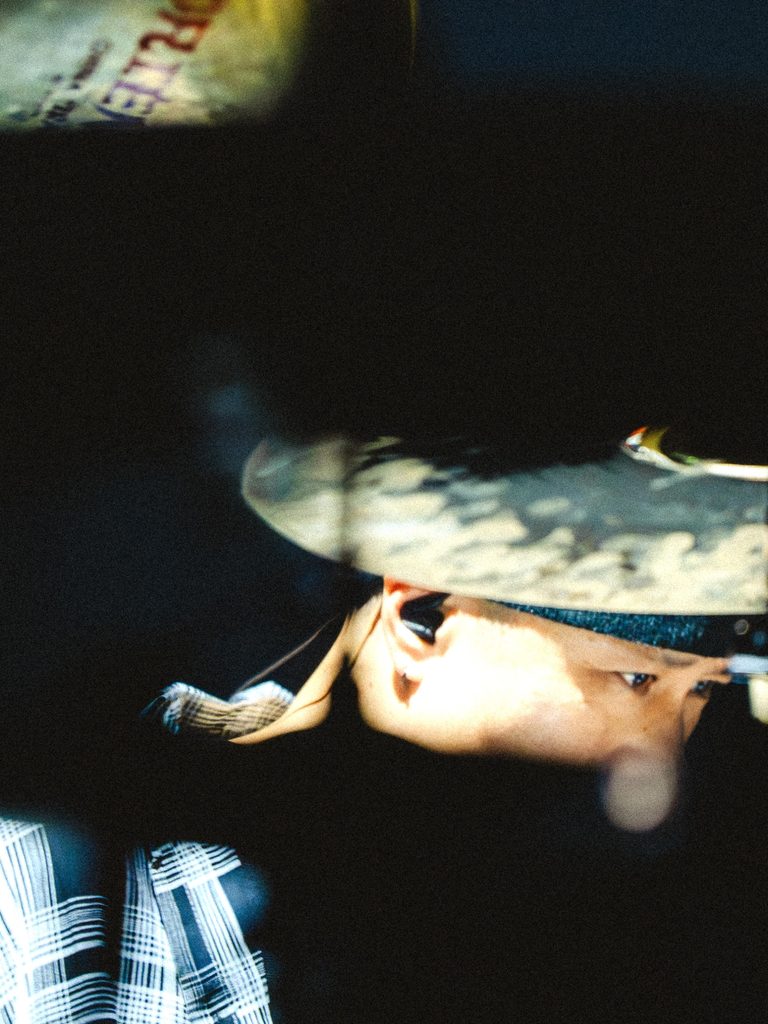
처음에는 저희가 만들고 싶은 음악의 형태가 명확하지 않았어요. 그래서 그때의 작업을 떠올리면, 어디에도 없는 집을 처음부터 짓는 과정과 비슷했던 것 같아요. 설계도도 없고 참고할 집도 없어서, 하루 종일 소리만 내다가 ‘오늘도 집을 못 지었구나’ 하고 돌아가는 날도 많았습니다. 그러다 국악의 울타리 안에서만 답을 찾지 말고 인디와 포스트록 같은 다른 음악에서 구조를 배우기 시작했죠. 다른 사람의 곡을 잘 연주하기보다 우리만의 음악을 만드는 음악가가 되고 싶었기 때문에, 익숙한 전통의 문법 안에서만 답을 찾고 싶지는 않았어요. 국악기라는 재료는 그대로 두되, 드럼과 베이스처럼 세계 어디서나 통하는 리듬을 골조로 삼았습니다. 전통을 지키려면 모든 것을 그대로 지켜야 한다고 생각했지만, 오히려 무엇을 버릴지 선택하는 순간 전통이 더 선명해졌습니다. 그렇게 서로 다른 재료를 한 지붕 아래 올려놓고, 국악집인지 록하우스인지 알 수 없는 집을 짓기 시작한 거죠.
JAMBINAI kept traditional instruments at its core while drawing on rock and experimental music and adding drums and bass. With no obvious precedent, what led you to look beyond traditional Korean music for a structure of your own?
At first, we didn’t have a clear picture of the music we wanted to make. Looking back, it felt like building a house that had never existed: no blueprint, no model to follow. Some days we spent hours making sounds and went home thinking, “We didn’t build the house today either.” Eventually, we stopped looking for every answer within traditional Korean music and began looking to indie and post-rock for structure. We wanted to create our own music rather than simply become skilled at playing other people’s music, so we couldn’t remain within the familiar grammar of tradition. We kept traditional instruments as our material, but used drums and bass as a rhythmic framework that could speak across cultures. We once thought preserving tradition meant keeping everything intact. Instead, tradition came into sharper focus when we began choosing what to let go of. We brought these different materials under one roof and began building something that belonged fully to neither gugak nor rock.
Chapter 02.
서로의 소리를 빌려 쓰는 법
Chapter 02.
Borrowing One Another’s Sounds
다름을 지우지 않아도, 하나의 음악은 될 수 있습니다.
내 소리를 앞세우기보다 서로의 자리를 만들고,
좋은 것은 기꺼이 빌려 씁니다.
잠비나이의 음악은 그렇게 각자의 색을 남긴 채 함께 만들어집니다.Distinct sounds can remain distinct and still become one. Rather than pushing their own sound forward, the members make space for one another and freely borrow what they value in each other’s ideas. JAMBINAI’s music comes together without erasing each member’s color.
서로 다른 악기와 취향을 가진 멤버들이 함께할 때, 잠비나이가 가장 중요하게 여기는 협업의 태도는 무엇인가요?
신기하게도 멤버들 대부분이 밝고 예쁜 것보다는 어둡고 마이너한 음악을 좋아해서, 취향의 충돌이 거의 없었어요. 당시 퓨전 국악의 공식처럼 여겨지던 ‘하얀 드레스에 환한 미소’와는 꽤 다른 길을 가고 싶었죠. 서로 아이디어를 던졌을 때도 “내 것이 맞다”보다 “그거 좋다, 그렇게 하자”가 훨씬 많았어요. 좋은 협업은 서로를 설득하는 일이 아니라, 상대의 생각에서 내가 미처 발견하지 못한 좋은 것을 알아보는 것이라고 생각해요. 악기마다 언어와 음색이 다르다 보니, 서로에게서 나오는 뜻밖의 아이디어는 “평소에 무슨 생각을 하며 살면 이런 곡이 나올까” 싶을 만큼 신선하기도 하고요. 서로의 다름을 인정하고 빌려 쓰는 것, 그것이 함께 음악을 오래 살아 있게 하는 힘인 것 같습니다.
When musicians with different instruments and tastes work together, what matters most to JAMBINAI?
Interestingly, most of us preferred darker, moodier music to anything bright or pretty, so our tastes rarely clashed. We wanted to go in a very different direction from what felt like the formula for fusion gugak at the time: the white dress and bright smile. When someone brought in an idea, we were far more likely to say, “That’s good, let’s do that,” than “My idea is the right one.” To me, good collaboration is less about persuading one another than recognizing something valuable in someone else’s idea that you would never have found on your own. Every instrument has its own language and timbre, so another member’s unexpected idea can make you wonder, “How do they even come up with a song like this?” Recognizing our differences and borrowing from one another is part of what has kept the music alive.
전통악기의 익숙한 아름다움을 지키는 것과 잠비나이의 음악에 필요한 소리를 만드는 일은 다를 수 있을 것 같습니다. 거칠고 탁한 음색이나 낯선 주법까지 끌어내는 선택은 어떻게 시작됐나요?
방향성 자체에서 크게 어긋난 적은 없지만, 작업 방식에서는 차이가 분명해요. 한 사람은 비교적 빠르게 결정을 내리는 편이고, 상대는 충분히 시간을 두고 검증하려는 성향이 강하죠. 특히 필름 작업에서는 아주 작은 디테일을 두고도 오래 논의하기도 합니다. 다만 협업에서 중요한 건 누가 옳으냐가 아니라 어떤 선택이 작업을 더 설득력 있게 만드는가라고 생각해요. 결국 논쟁은 승부가 아니라 편집 과정에 가깝습니다. 서로의 고집을 유지하기보다, 더 납득되는 방향이 나타나면 자연스럽게 그쪽으로 이동하죠. 아이러니하게도, 그 과정이 반복될수록 개인의 자아는 조금 줄어들고 작업 자체의 목소리는 더 또렷해지는 것 같습니다.
Preserving the familiar beauty of traditional instruments and creating the sounds JAMBINAI needs are not always the same thing. How did you begin drawing out rougher timbres and unconventional techniques?
Rather than reproducing tradition as it is, we actively draw on sigimsae, the distinctive ornamentation and inflection of Korean traditional music, and on timbres that are hard to find elsewhere. We bend and slide notes, make them tremble, and if an almost “out-of- tune” sound has something compelling about it, we keep it. We often find the character and new possibilities of our instruments in rough, murky timbres that might conventionally be considered less beautiful. For us, tradition is less something to define than a material to experiment with until we find the sound we want. At first, simply making this kind of music with traditional Korean instruments felt new. Later, to avoid repeating ourselves, we even experimented by altering the instruments themselves or using unexpected objects, including a kitchen whisk. What matters is not adding something unfamiliar for its own sake, but questioning a familiar sound once more and searching for what we still haven’t found within it.
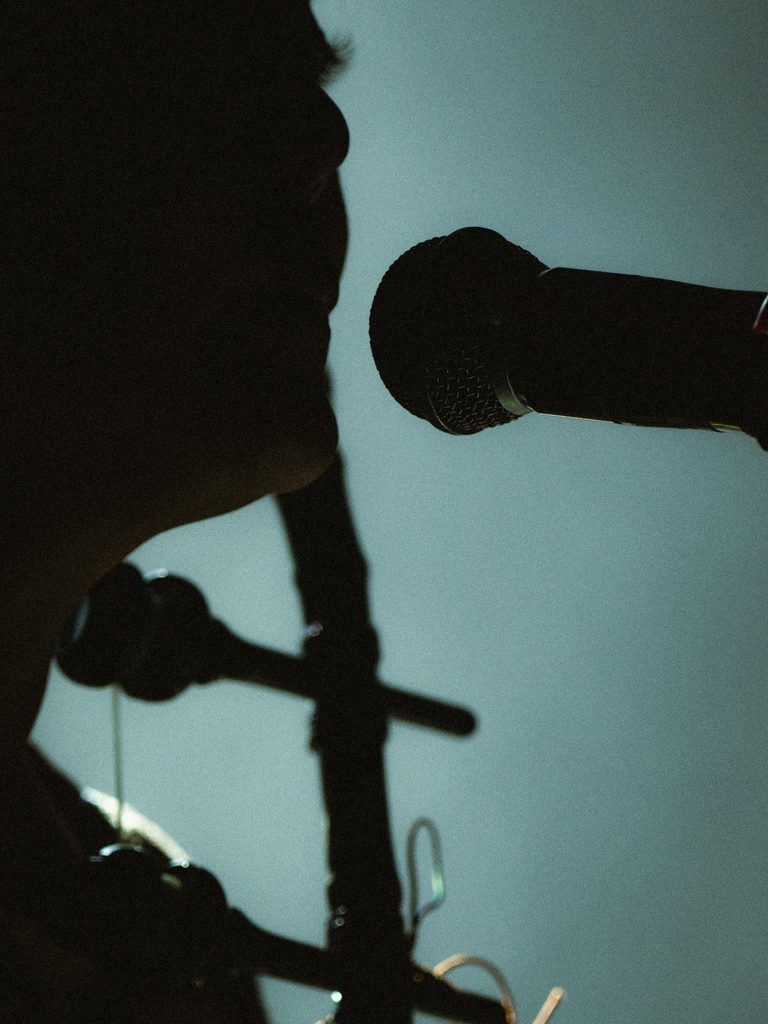
혼자 연주할 때 가장 좋은 주법이 밴드 안에서는 어울리지 않을 수도 있죠. ‘내가 잘하는 소리’를 내려놓고 각 악기의 자리를 만드는 기준은 무엇인가요?
좋은 주법을 먼저 고르는 게 아니라, 어떤 소리가 이 음악에 어울리는지를 먼저 생각해요. 혼자 연주할 때 아름다운 소리라도 함께 놓였을 때 어울리지 않는다면 과감히 내려놓죠. 음악의 그림을 먼저 그리고, 거기에 가장 잘 맞는 소리를 찾아가는 과정에 가깝습니다. 초반에는 해금이나 거문고처럼 가장 먼저 떠오른 악기가 주인공이 되고 다른 악기들이 배경처럼 남는 경우도 많았어요. 그런 시행착오를 겪으면서 이제는 하나의 악기를 살리는 것보다 각 악기가 곡 안에서 살아 있을 수 있는 자리를 만들어주는 것을 더 중요하게 생각하게 됐습니다. 처음 떠오른 아이디어를 끝까지 밀어붙이기보다, 다른 악기들이 어떻게 대화할 수 있을지를 같이 고민하는 거죠.
A technique that sounds beautiful alone may not work within the band. How do you let go of what you do best and make room for each instrument?
We don’t start by choosing the best technique. We ask what sound the music needs. Even a beautiful sound can be set aside if it doesn’t work with everything else. We picture the whole piece first, then find the sounds that belong in it. Early on, whichever instrument came to mind first, often the haegeum or geomungo, would take center stage while the others stayed in the background. Through trial and error, we came to care less about making one instrument stand out and more about giving each one a distinct place within the piece. Rather than pushing the first idea all the way through, we think about how the instruments can speak to one another.
3인에서 5인으로 확장되며 단순히 악기가 늘어난 것 이상의 변화가 있었을 것 같습니다. 작곡의 태도는 어떻게 달라졌나요?
크게 방향이 달라졌다기보다는, 오히려 마음이 놓이면서 더 과감해진 것 같아요. 예전에는 세 명이 소화할 수 있는 어쿠스틱 편곡을 고민하다 보니, 빈 공간을 서사나 긴 호흡으로 채워야 했거든요. 그런데 리듬 섹션이 단단하게 구축되고 나니 음악의 밀도와 집중력이 확실히 높아졌고, 굳이 비워두지 않아도 되는 부분이 생겼어요. 무엇보다 그려놓은 곡의 방향을 함께 밀어줄 멤버들이 있다는 게 커서, 이제는 ‘이게 가능할까?’보다 ‘여기까지 한번 가보자’는 마음으로 작곡하게 되는 것 같아요.
Expanding from three members to five must have changed more than the number of instruments. How did it change the way you compose?
The direction didn’t change dramatically. If anything, we felt more at ease, which made us bolder. As a trio, we had to think about acoustic arrangements three people could carry, so we often filled the open space with narrative and long, sustained arcs. Once the rhythm section was firmly in place, the music gained density and focus, and we no longer had to leave certain spaces open. More importantly, we had members who could push a piece in the direction we imagined. Instead of asking, “Is this even possible?” we began composing with the thought, “Let’s see how far we can take it.”
곡의 의도를 멤버에게 건넬 때는 악보보다 어떤 방식으로 서로의 해석을 주고받나요?
저희는 악보보다 데모가 훨씬 말이 많아요. 특히 해금이나 거문고는 입으로 직접 소리를 불러주면서 “바람이 이렇게 불고, 까마귀가 여기서 투닥투닥한다”처럼 설명해요. 그러면 연주자들이 그 의도를 듣고 각자의 악기로 해석해서 다시 보내주고, 그걸 듣고 다시 다듬는 식이죠. 일우 씨의 음유시인 같은 녹음은 언제 들어도 재미있어요! (웃음)
When you share the intention behind a piece, how do you exchange interpretations beyond the score?
Our demos say much more than our scores. With instruments like the haegeum or geomungo, we often voice the sounds ourselves and describe them through images: “The wind blows like this, and over here the crows are bickering.” The players interpret that idea through their own instruments, send it back to us, and we refine it from there. Ilwoo’s bard-like demos are always fun to hear. (laughs)
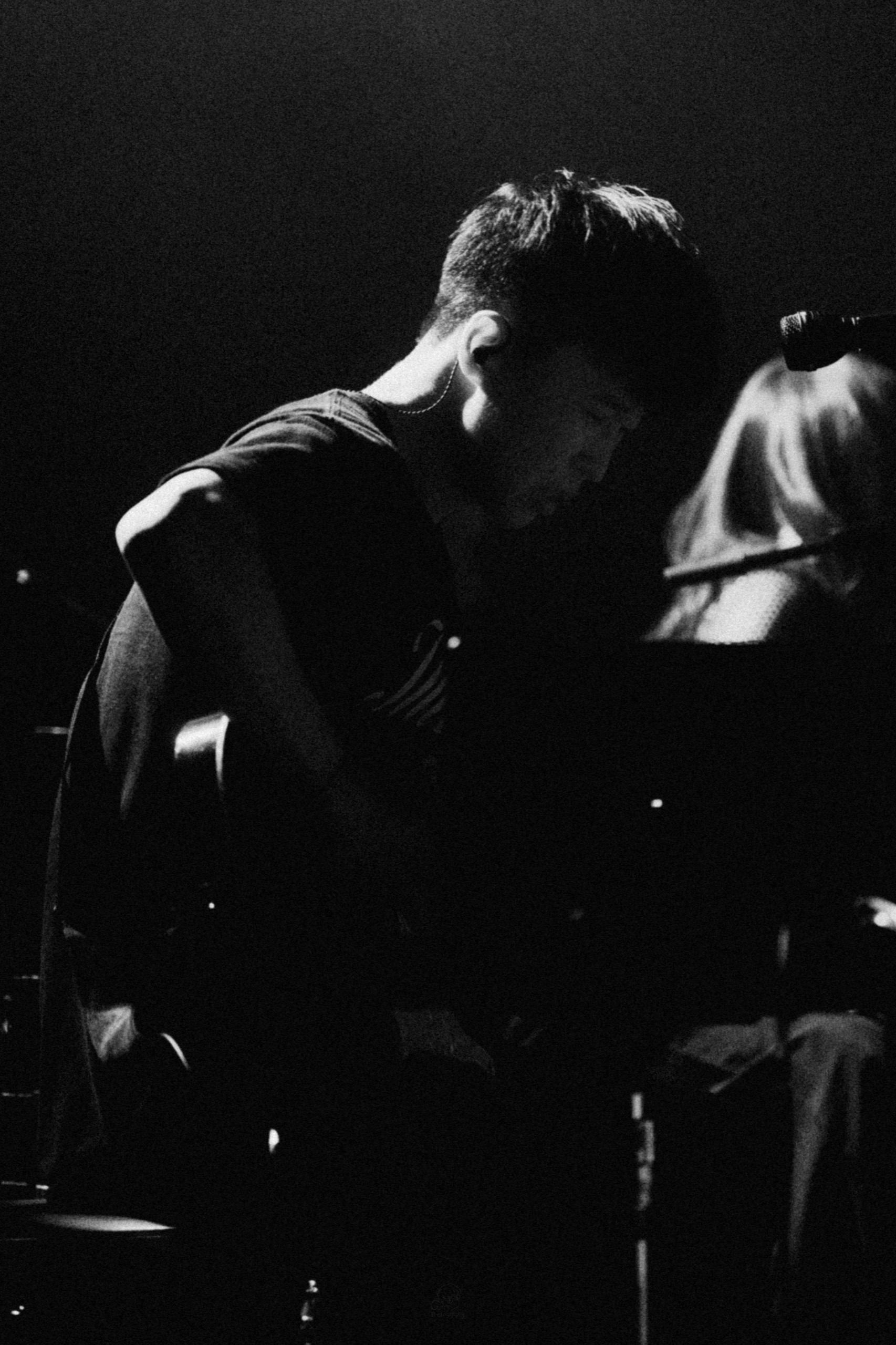
서울 KT&G 상상마당 라이브홀에서 열린 MONO ‘snowdrop’ Asia Tour 2026
Chapter 03.
익숙해진 우리를 다시 바라보다
Chapter 03.
Reexamining Who We’ve Become
처음의 새로움도 오래 반복하면 익숙해집니다. 잠비나이는 잘해온 방식을 지키기보다, 다시 의심하는 쪽을 택했습니다. 이미 아는 소리 안에서 아직 만나지 못한 다음을 찾습니다.
Even what once felt new becomes familiar with repetition. Rather than protecting methods that have served them well, JAMBINAI chooses to question them again. Within sounds they already know, the band searches for what it has yet to find.
록과 전통음악의 결합이 더 이상 낯설지 않은 지금, 오히려 경계해야 할 것은 ‘익숙해진 우리의 방식’일지도 모릅니다. 스스로의 음악을 다시 의심하게 된 순간이 있었나요?
처음부터 지금까지 계속 ‘우리가 지금 같은 걸 반복하고 있는 건 아닐까’를 경계해왔던 것 같아요. 그래서 때로는 짧고 강하게, 때로는 더 과감하게 방향을 틀면서 우리가 만든 음악을 계속 객관적으로 바라보려고 했습니다. 지금은 20대의 반항과 도전만을 앞세우기보다, 40대가 된 지금의 삶과 생각을 음악에 담으면서 조금 더 편안하게 사람들의 마음에 다가가도 괜찮지 않을까 생각해요.
Now that combining rock and traditional music no longer feels unfamiliar, perhaps the greater risk lies in JAMBINAI’s own familiar way of working. Was there a moment when you began questioning your music again?
From the beginning, we’ve kept asking whether we might be repeating ourselves. Sometimes that meant making the music shorter and more forceful; at other times, changing direction more radically. We’ve tried to keep some distance from our own work. Now that we’re in our forties, we don’t feel the music has to be driven only by the rebellion and experimentation of our twenties. We’re beginning to think it can reflect who we are now and reach people in a more relaxed way.
날카롭고 어두운 잠비나이의 색이 하나의 문법이 된 지금, 무엇을 내려놓고 어디까지 넓혀보고 싶나요?
예전에는 저희가 진지하고 날이 선 음악을 해야 한다는 생각이 강했는데, 지금은 가사가 가진 힘이나 조금 더 부드럽고 서정적인 감정에도 마음을 열어두고 있어요. 한때는 제가 좋아하지 않았던 말랑한 곡을 사람들이 너무 좋아하는 걸 보면서, 음악을 듣는 방식이 나와 다를 수 있다는 것도 알게 됐고요. 그래서 이제는 “이건 너무 대중적인 것 아닐까”라는 경계심도 조금 내려놓으려고 해요. 다만 아무리 밝아져도 결국 저희가 만드는 음악에는 저희만의 어두움과 실험성이 자연스럽게 남아 있을 거예요. 색을 바꾸기보다는, 같은 색 안에서 우리가 표현할 수 있는 빛의 범위를 조금 더 넓혀보고 싶어요.
Now that JAMBINAI’s sharp, dark character has become a language of its own, what are you ready to let go of, and how far do you want to expand?
We used to feel our music had to be serious and hard-edged. Now we’re more open to the power of lyrics and to softer, more lyrical emotions. At one point, people loved a gentler song that I personally didn’t like very much, which made me realize that others can hear music very differently from me. So I’m trying to let go of the instinct to worry that something might be “too mainstream.” However bright the music becomes, our darkness and experimental edge will probably remain. Rather than changing our color, we’d like to widen the range of light we can express within it.
처음에는 하지 않을 것까지 정해놓는 것이 잠비나이의 색이라고 생각했다고요. 시간이 흐르며 그 경계는 어떻게 달라졌나요?
시간이 지나고 보니 색깔은 경계를 세운다고 생기는 게 아니라, 무엇을 받아들여도 결국 우리답게 만들어내는 힘에 더 가깝더라고요. 예전에는 데모를 보내며 “이대로 해주세요”라고 했다면, 지금은 필요한 부분만 이야기하고 나머지는 연주자의 해석에 맡겨요. 지금의 음악은 조금 내려놓고도 색이 흐려지지 않는다는 걸 알아가는 과정인 것 같아요.
At first, you felt that defining what JAMBINAI would not do was part of defining its identity. How have those boundaries changed over time?
With time, we realized that identity doesn’t come from drawing boundaries. It’s the ability to take in almost anything and still make it unmistakably ours. In the past, we might send a demo and say, “Please play it exactly like this.” Now we explain only what’s essential and leave the rest to the musician’s interpretation. We’re learning that our color doesn’t fade just because we loosen our grip.
이런 변화는 실제 작업의 흐름에서도 드러납니다.
《Différance》, 《A Hermitage》, 《ONDA》, 《Apparition》으로 이어지는 동안 소리와 정서는 조금씩 달라졌는데요. 새 작업에서 각 악기의 자리를 정할 때, 이전의 방식을 반복하지 않기 위해 가장 먼저 확인하는 것은 무엇인가요?
요즘은 무엇보다 ‘왜 이 악기여야만 하는가’를 가장 먼저 고민하는 것 같아요. 해금이라면 바이올린보다 해금이어야 하고, 거문고라면 기타나 베이스가 대신할 수 없는 이유가 있어야 하죠. 드럼과 베이스 역시 단순히 사운드를 채우는 게 아니라, 그 악기의 연주가 있어야만 완성되는 음악인가를 계속 묻고요. 예전에는 ‘이 악기가 멋있다’에서 출발했다면, 지금은 각 악기의 존재 이유까지 찾아야 비로소 한 곡이 완성돼요.
That change can also be heard across Différance, A Hermitage, ONDA and Apparition, as the sound and mood gradually shift. When placing each instrument in a new piece, what do you ask first to avoid simply repeating what you’ve done before?
These days, the first question is, “Why does it have to be this instrument?” If it’s a haegeum, there has to be a reason it should be a haegeum rather than a violin. If it’s a geomungo, there has to be a reason a guitar or bass cannot take its place. The same goes for drums and bass: they cannot simply fill out the sound. We ask whether the piece would be incomplete without that instrument. We used to begin with, “This instrument sounds cool.” Now a piece feels complete only when every instrument has a reason to be there.
국악을 모르는 해외 관객이 소리 자체에 반응했을 때, 잠비나이의 음악을 바라보는 시선도 달라졌나요?
핀란드 첫 공연에서 CD가 순식간에 매진되고, 예상보다 훨씬 뜨거운 반응을 보면서 음악은 꼭 이해해야만 좋아할 수 있는 건 아니구나 싶었죠. 국악이라는 배경을 모르는 사람들이 소리 자체에 먼저 반응하는 걸 보며 저희 음악의 가능성을 새롭게 발견했고요. 그 경험으로 저희 음악에 대한 확신이 생겼고, 이후 해외 무대에서는 관객의 지식보다 그 순간 함께 느끼는 에너지와 소통 자체를 더 믿게 된 것 같아요.
When overseas audiences with no knowledge of traditional Korean music responded to the sound itself, did it change the way you saw JAMBINAI’s music?
At our first show in Finland, the CDs sold out almost immediately and the response was far more enthusiastic than we expected. It made us realize that you don’t necessarily have to understand a piece of music to love it. Seeing people with no background in traditional Korean music respond first to the sound itself opened our eyes to new possibilities in our own music. It gave us more confidence. Since then, on overseas stages, we’ve come to rely less on what the audience knows and more on the energy and connection we share in the moment.
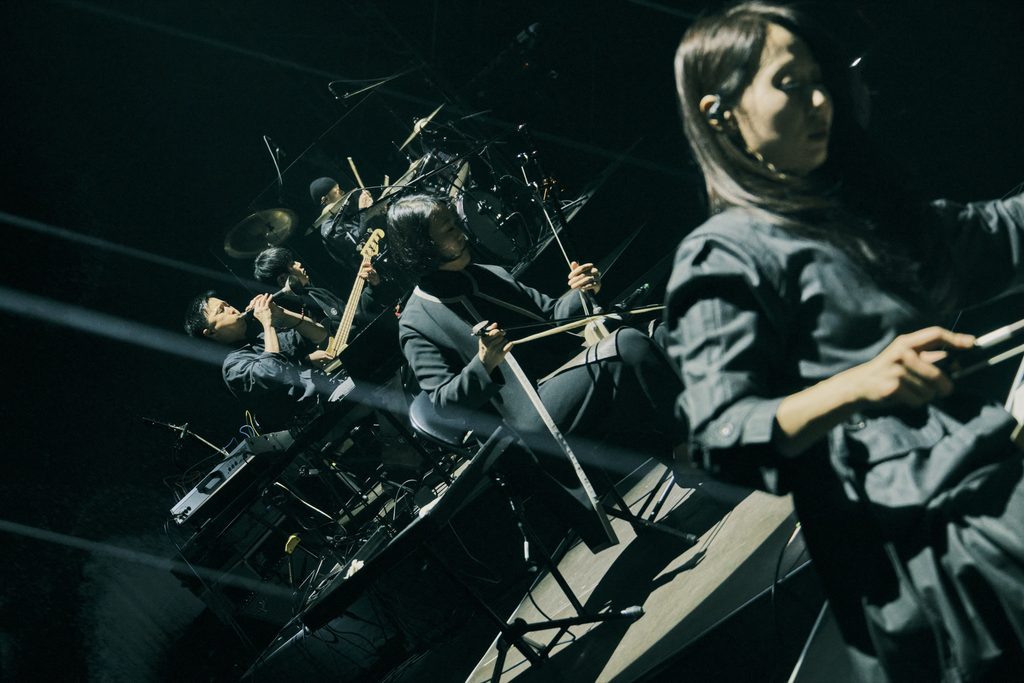
《적벽》 2026 ©Shin-joong Kim
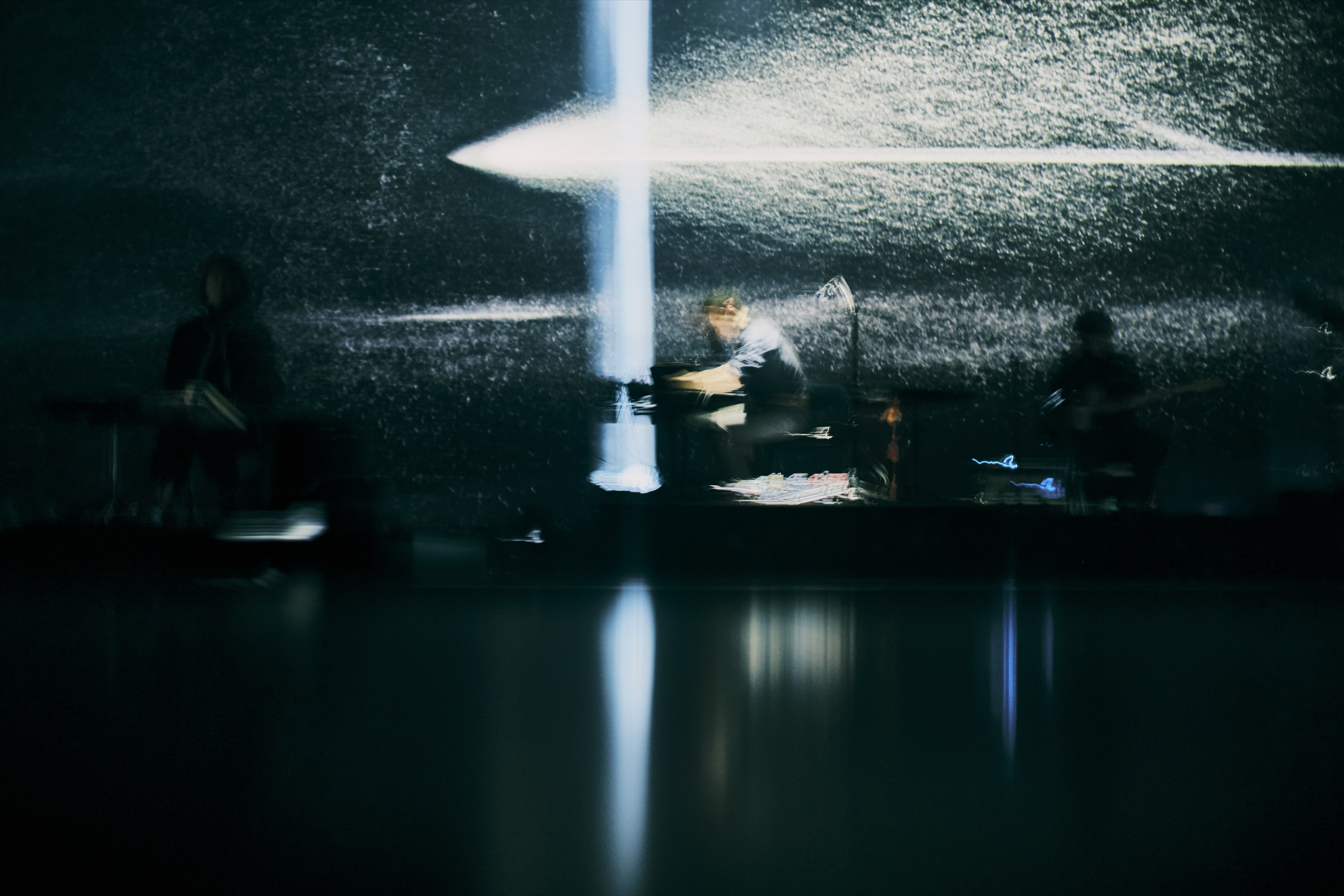
해외에서는 잠비나이의 음악이 ‘한국적인 것’으로 읽히기도 합니다. 한국을 대표하는 무대에서도 그 정체성을 일부러 설명하거나 강조하지 않는 이유는 무엇인가요?
처음에는 태극기를 들고 있는 관객을 보고 당연히 교민일 거라고 생각했는데, 전혀 모르는 외국인들이 직접 가져와 흔드는 걸 보고 “아, 우리 음악이 한국이라는 곳까지 함께 보여주고 있구나” 싶었어요. 그때부터 조금은 대표선수처럼 “잘해야겠다”는 책임감도 자연스럽게 생겼고요. 하지만 동시에 그들이 국악을 얼마나 아는지는 중요하지 않다는 것도 느꼈어요. 낯선 악기와 소리라도 좋으면 그냥 좋은 것, 정체성은 설명하는 것이 아니라 음악을 통해 스며드는 것이라는 생각도 하게 됐습니다. 그래서 평창 동계올림픽 폐막식에서도 ‘한국적으로 보여줘야 한다’는 생각을 일부러 하지 않았어요. 억지로 동양적이고 한국적인 요소를 더하면 음악보다 이미지에 집중하게 되고 저희 음악의 멋이 사라지더라고요. 이미 해금과 거문고 자체가 한국의 소리를 품고 있기 때문에, 저희답게 연주하는 것에 집중했습니다.
런던 컨템퍼러리 오케스트라와의 협연은 잠비나이의 음악을 어디까지 확장할 수 있다는 실감을 줬나요?
예전부터 언젠가 우리도 오케스트라와 해보면 정말 멋있겠다는 상상은 했는데, 막상 그 꿈이 현실이 되니 상상했던 것보다 훨씬 벅찬 경험이었어요. 몇십 명의 연주자가 만들어내는 생생한 소리 안에서 잠비나이의 음악을 연주하니, 기존의 강한 사운드와는 전혀 다른 방식으로 음악이 커지는 느낌이었고요. 소리의 크기보다 음악의 세계가 넓어졌다는 실감이 더 컸고요. 런던 컨템퍼러리 오케스트라와의 협연은 하나의 목표를 이뤘다기보다, 잠비나이의 음악으로 어디까지 확장해볼 수 있을까라는 다음 질문을 던져준 사건에 가까운 것 같아요.
그런 실험을 거듭해온 지금, 잠비나이가 찾는 새로움은 어디를 향하고 있나요?
지금은 새로운 것을 계속 더하는 것보다 ‘계속 좋은 것을 만들어내는 것’이 더 어려운 새로움이라고 생각해요. 예전에는 새로운 악기나 소리, 낯선 방식을 시도하는 것 자체가 변화였다면, 지금은 오히려 이미 익숙해진 것 안에서 아직 발견하지 못한 것을 찾는 일이 더 중요해졌어요. 한때는 새로운 시도라고 믿었던 긴 호흡이나 복잡한 레이어도 계속 반복하다 보면 어느 순간 우리만의 고집이나 매너리즘이 될 수 있거든요. 그래서 요즘은 거문고라는 악기 하나를 더 깊이 파고들면서, 우리가 이미 잘 알고 있다고 생각했던 소리 안에 아직 무엇이 남아 있는지를 다시 들여다보려고 해요. 결국 새로운 재료를 바깥에서 계속 가져오는 것만이 변화는 아닌 것 같아요. 익숙해진 악기와 방식, 그리고 지금의 우리 자신을 다시 바라보고 그 안으로 한 번 더 깊이 들어가는 것도 새로운 길을 찾는 방법이니까요. 새로움이란 무조건 이전과 다르게 만드는 것이 아니라, 지금의 내가 무엇을 느끼고 있고 무엇을 반복하고 있는지를 솔직하게 들여다보는 데서 다시 시작되는 것 같아요. 처음에는 경계 밖으로 나가는 일이 중요했다면, 지금은 우리가 만들어온 것 안으로 더 깊이 들어가 보는 쪽으로 그 방향이 조금 달라진 것 같습니다.
Overseas, JAMBINAI’s music is sometimes read as distinctly “Korean.” Why do you choose not to explain or emphasize that identity, even when representing Korea?
At first, when we saw people waving Korean flags in the audience, we assumed they were Koreans living abroad. Then we realized they were non-Korean fans who had brought the flags themselves. We thought, “Our music is showing them something about Korea, too.” That naturally gave us a sense of responsibility, almost as if we were representing Korea in some small way. At the same time, we realized it didn’t matter how much they knew about traditional Korean music. An unfamiliar instrument or sound can simply be good. Identity, we came to feel, doesn’t need to be explained; it can emerge through the music. That’s why, even at the PyeongChang Winter Olympics closing ceremony, we didn’t try to make the performance look overtly “Korean.” Adding “Eastern” or “Korean” elements for effect would have made the image overshadow the music. The haegeum and geomungo already carry the sound of Korea, so we focused on playing in a way that felt true to us.
What did collaborating with the London Contemporary Orchestra reveal about how far JAMBINAI’s music could expand?
We had always imagined how amazing it would be to perform with an orchestra, but when it finally happened, it was more moving than we had imagined. Surrounded by the live sound of dozens of orchestral musicians, JAMBINAI’s music expanded in a completely different way from the powerful sound we were used to. What struck us wasn’t simply that the sound became bigger, but that the world of the music itself felt wider. The collaboration felt less like achieving a goal than being given a new question: “How far could JAMBINAI’s music still go?”
After all those experiments, where does JAMBINAI now look for what feels new?
These days, what feels truly new is not adding more, but continuing to make good music. Once, change meant trying a new instrument, sound or method. Now it feels more important to search for what we still haven’t discovered within what has become familiar. Even long-form structures and complex layers that once felt experimental can settle into habits or mannerisms if repeated often enough. So lately, we’ve been digging deeper into a single instrument like the geomungo and asking what might still be left within a sound we thought we knew well. Change isn’t only about bringing in new materials from outside. Looking again at familiar instruments and methods, looking at who we are now, and going deeper can also open a new path. Newness doesn’t have to mean making something different at all costs. I think it begins with looking honestly at what we feel now and what we may be repeating. At first, what mattered was stepping beyond the boundary. Now the direction has shifted inward, toward going deeper into what we’ve already made.
Chapter 04.
오래 함께하기 위해 계속 선택하는 것
Chapter 04.
Choosing to Keep Going Together
새로운 길을 여는 것만큼 어려운 것은,
그 길을 오래 함께 가는 일입니다.
흔들릴 때마다 서로를 믿고, 무엇을 지키고 바꿀지
다시 선택했습니다.
15년을 지나며 용기의 모습도 조금씩 달라졌습니다.Opening a new path is difficult. Staying on it together can be harder still. Whenever they wavered, JAMBINAI returned to trust, choosing again what to preserve and what to change. Over 15 years, the shape of courage has changed too.
오랫동안 밴드를 이어오면서 생계와 환경의 벽도 있었을 텐데요. 멈추지 않고 함께하게 한 힘은 무엇이었나요?
사실 저희에게 위기는 특별한 사건이라기보다 늘 곁에 있는 일상에 가까웠어요. 음악으로 돈을 벌겠다는 생각으로 시작한 팀이 아니었기에, 부족함이 있어도 그걸 이유로 음악을 놓지는 않았던 것 같아요. 오랫동안 함께하면서 서로의 소리만 들어도 무엇을 말하고 싶은지, 어디로 가고 싶은지 알아듣는 신뢰가 생겼고요. 결국 저희를 여기까지 데려온 건 실력보다 서로를 대체할 수 없다는 믿음, 그리고 끝이 어디든 같이 가보자는 의지인 것 같습니다.
2017년 직장을 그만두고 음악을 선택했던 당시의 두려움과 흔들림은 《ONDA》라는 곡으로도 이어졌습니다. 그 경험은 지금 음악과 삶을 선택하는 방식에 어떤 흔적으로 남아 있나요?
그때는 서른이 넘으면 당연히 돈을 벌고, 독립하고, 결혼하고, 집도 마련해야 한다는 ‘정답 같은 삶’에 괜히 겁을 먹었던 것 같아요. 월급이 끊기자 갑자기 내가 뒤처지는 것처럼 느껴졌지만, 돌이켜보면 그때의 불안이 현실보다 훨씬 컸던 거죠. 지금도 경제적인 고민은 여전히 있지만, 결국 그때 버텨낸 시간이 지금의 저를 만들었어요. 그 경험을 녹여 곡도 썼고요. 오히려 지나고 보니 그렇게까지 겁먹을 필요는 없었다는 걸 배웠어요.
예전 같으면 피했을 제안을 받아들이는 기준도 달라졌나요?
오히려 가장 망설였던 건 저희가 한동안 하기 싫어했던 일, 남의 곡을 커버하고 대중가요 프로그램에 나가는 일이었어요. 처음에는 “이게 우리랑 맞나?” 싶었지만, 거절하기보다 그렇다면 이것마저 잠비나이답게 만들어보자고 생각했죠. 남이 던져준 과제를 그대로 수행하는 게 아니라, 우리가 잘해서 상대의 기대를 넘어서는 것 자체가 새로운 도전이 될 수 있다는 걸 알게 됐고요. 그 이후로는 예전 같으면 피했을 일도 “우리 방식으로 멋있게 만들면 되지”라고 생각하게 됐어요. 두려움을 없애진 못했지만 두려운 것마저 우리의 음악으로 바꿔낼 수 있다는 걸 알게 된 것 같습니다.
Over the years, you must have faced practical pressures, from the need to make a living to shifts in your circumstances. What kept you going together?
For us, crisis was less an exceptional event than a part of everyday life. We didn’t start the band expecting to make a living from music, so hardship alone was never a reason to stop. After so many years together, we’ve built the kind of trust that lets us understand what one another wants to say, and where the music wants to go, simply by listening. What brought us this far was probably less skill than the belief that what we have together cannot be replaced, and the willingness to see where the road leads together.
The fear and uncertainty you felt when you left your job in 2017 and chose music instead also found its way into ONDA. How has that experience shaped the way you make choices in music and life today?
Back then, I think I was frightened by the idea that there was one “right” way to live: once you were over thirty, you were supposed to earn money, live independently, get married and buy a home. When the paycheck stopped, I suddenly felt as though I were falling behind. Looking back, the anxiety was far greater than the reality of the situation. I still have financial concerns, but getting through that period shaped who I am now, and the experience also found its way into the music I wrote. In hindsight, I learned I didn’t need to be quite so afraid.
Has the way you decide which opportunities to accept changed too?
The things that gave us the most pause were those we had long resisted: covering other people’s songs and appearing on mainstream music programs. At first we wondered, “Does this really fit us?” But instead of turning them down, we thought, “Then let’s make even this feel like JAMBINAI.” We realized the challenge could lie not in simply carrying out someone else’s assignment, but in doing it well enough, in our own way, to exceed their expectations. Since then, even when something comes along that we once might have avoided, we think, “We can make it work in our own way.” The fear hasn’t disappeared, but we’ve learned that even what frightens us can be turned into our music.
15년 동안 만들어진 ‘잠비나이다움’은 무엇이며, 앞으로도 지키고 싶은 것은 무엇인가요?
저희가 생각하는 잠비나이다움은 결국 언제 들어도 믿을 수 있는 음악을 만드는 데 있는 것 같아요. 새로운 길을 찾아가는 것도 중요하지만, 그 길에서 양질의 음악을 계속 만들어내는 팀이라는 믿음을 갖고 싶고요. 15년 동안 가장 큰 자산이 된 건 음악만큼이나 서로를 믿고, 기다려주고, 다시 함께할 시간을 준 것이라고 생각해요. 그래서 앞으로도 누군가의 기대에 맞춰가기보다 우리만의 길을 계속 개척하면서도 서로에 대한 믿음은 지켜가는 팀이고 싶습니다.
15년이 지난 지금, 잠비나이를 계속 움직이게 하는 것은 무엇인가요? 시작할 때와 비교하면 그 힘은 어떻게 달라졌나요?
처음에는 새로운 것을 향한 설렘과 열정이 가장 컸던 것 같아요. 처음 만난 사람에게 느끼는 호기심처럼 시작했다면, 지금은 서로를 너무 잘 알면서도 다시 같은 방향을 선택하는 데 더 가깝죠. 흔들리는 순간이 없었던 게 아니라, 그때마다 서두르지 않고 다시 중심을 잡아왔고요. 그래서 지금 저희에게 용기는 무언가를 크게 시작하는 힘보다, 잠비나이의 생명력을 끝까지 이어가기 위해 꾸준히 페달을 밟는 힘에 가까운 것 같습니다.
2009년으로 돌아가도 다시 잠비나이를 선택하시겠어요? 불안정함을 알고도 같은 선택을 할 수 있는 이유는 무엇인가요?
안정적인 직장을 계속 다녔다면 지금보다 편했을지는 모르지만, 지금처럼 행복하고 재미있고 멋있게 살고 있지는 않았을 것 같거든요. 불안은 여전히 있겠지만, 그 불안이 오히려 “음악적으로 낡지 말자, 계속 좋은 음악을 만들자”는 원동력이 되기도 해요. 결국 저희를 붙잡아준 건 돈이나 안정이 아니라 잠비나이의 음악과 무대에 대한 애정, 그리고 그 음악을 함께 만드는 사람들에 대한 믿음이었어요. 그 마음이 지금까지 저희를 움직인 힘이었고요. 1초도 망설이지 않고 다시 선택할 것 같습니다.
After 15 years, what makes JAMBINAI unmistakably JAMBINAI, and what do you want to hold on to?
To us, being JAMBINAI means making music people can trust whenever they hear it. Finding new paths matters, but we also want to remain a band that consistently makes good music along the way. Over 15 years, what has mattered most, alongside the music itself, has been trusting one another, waiting for one another, and giving each other time to come back together. So even as we carve out our own path rather than follow someone else’s expectations, we want to protect that trust.
Fifteen years on, what keeps JAMBINAI moving? How has that drive changed since the beginning?
At first, what drove us most was the excitement and passion of moving toward something new. It was like the curiosity of meeting someone for the first time. Now it’s closer to knowing one another inside out and still choosing the same direction. We’ve had moments of doubt, but each time we’ve taken our time and found our center again. So for us now, courage is less about starting something big than steadily keeping the pedals turning so JAMBINAI can keep going.
If you could go back to 2009, would you choose JAMBINAI again? Knowing how uncertain the path would be, why would you make the same choice?
Life might have been more comfortable if I had stayed in a stable job, but I don’t think my life would be as happy, interesting or fulfilling as it is now. The uncertainty is still there, but it also drives us to think, “Don’t let the music grow stale. Keep making good music.” What has kept us here has never been money or stability, but our love for JAMBINAI’s music and the stage, and our trust in the people we make that music with. I would choose it again without a second’s hesitation.
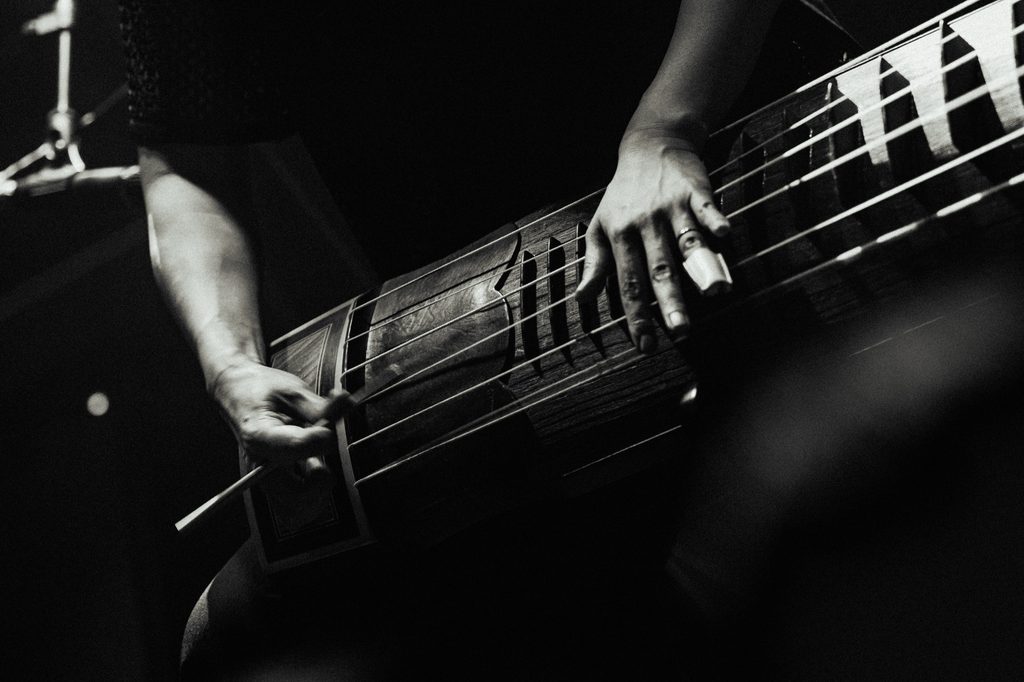
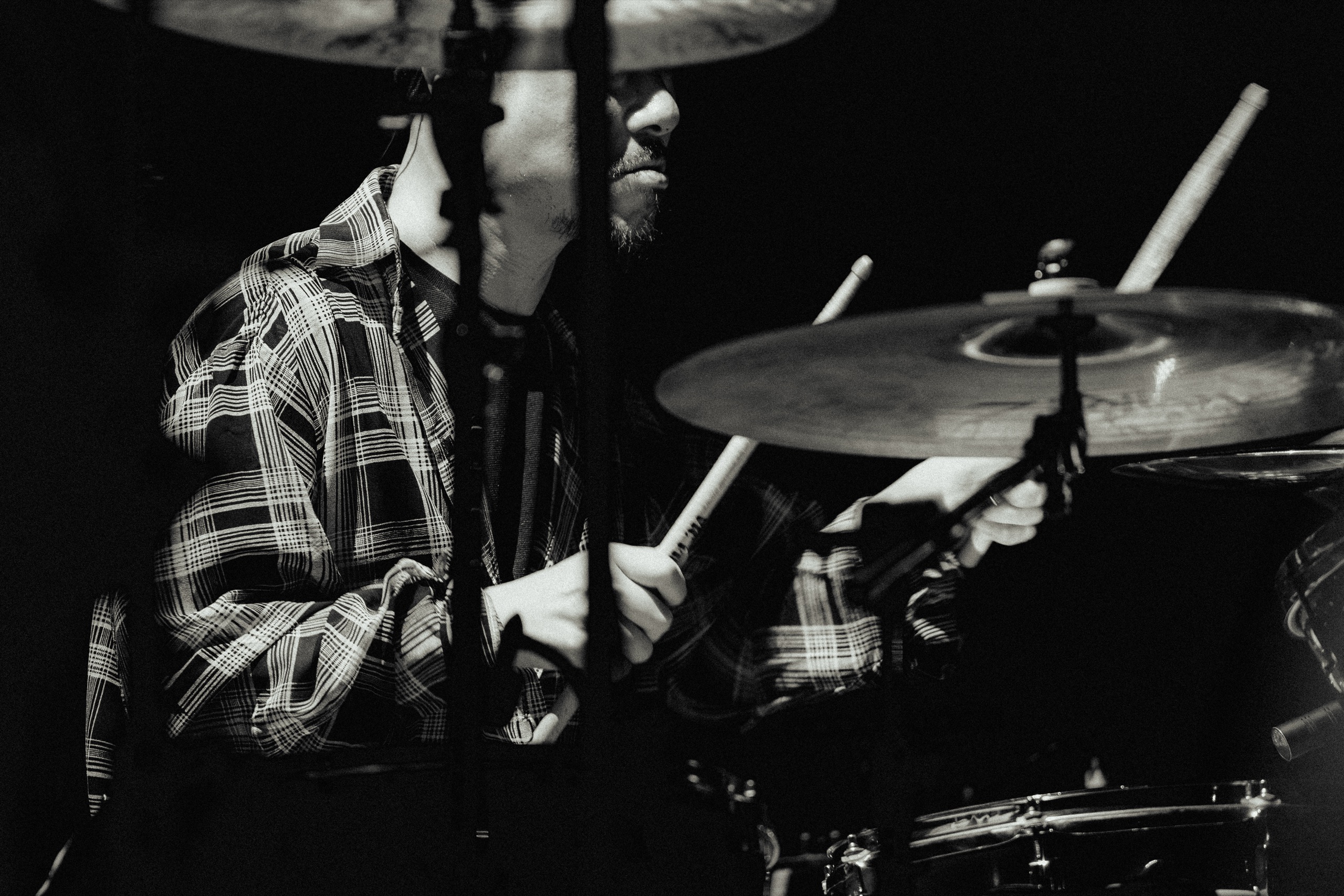
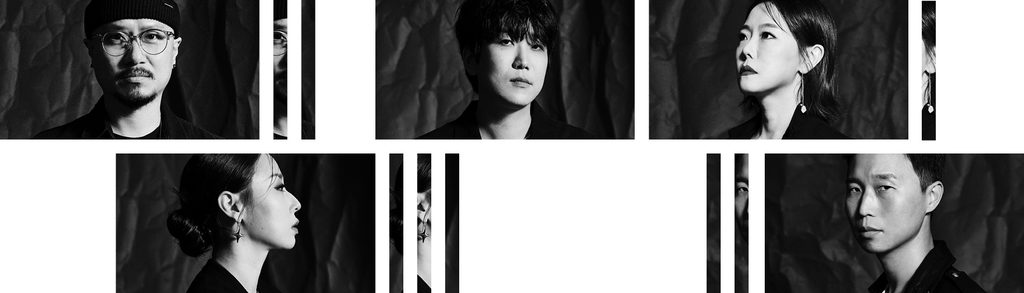
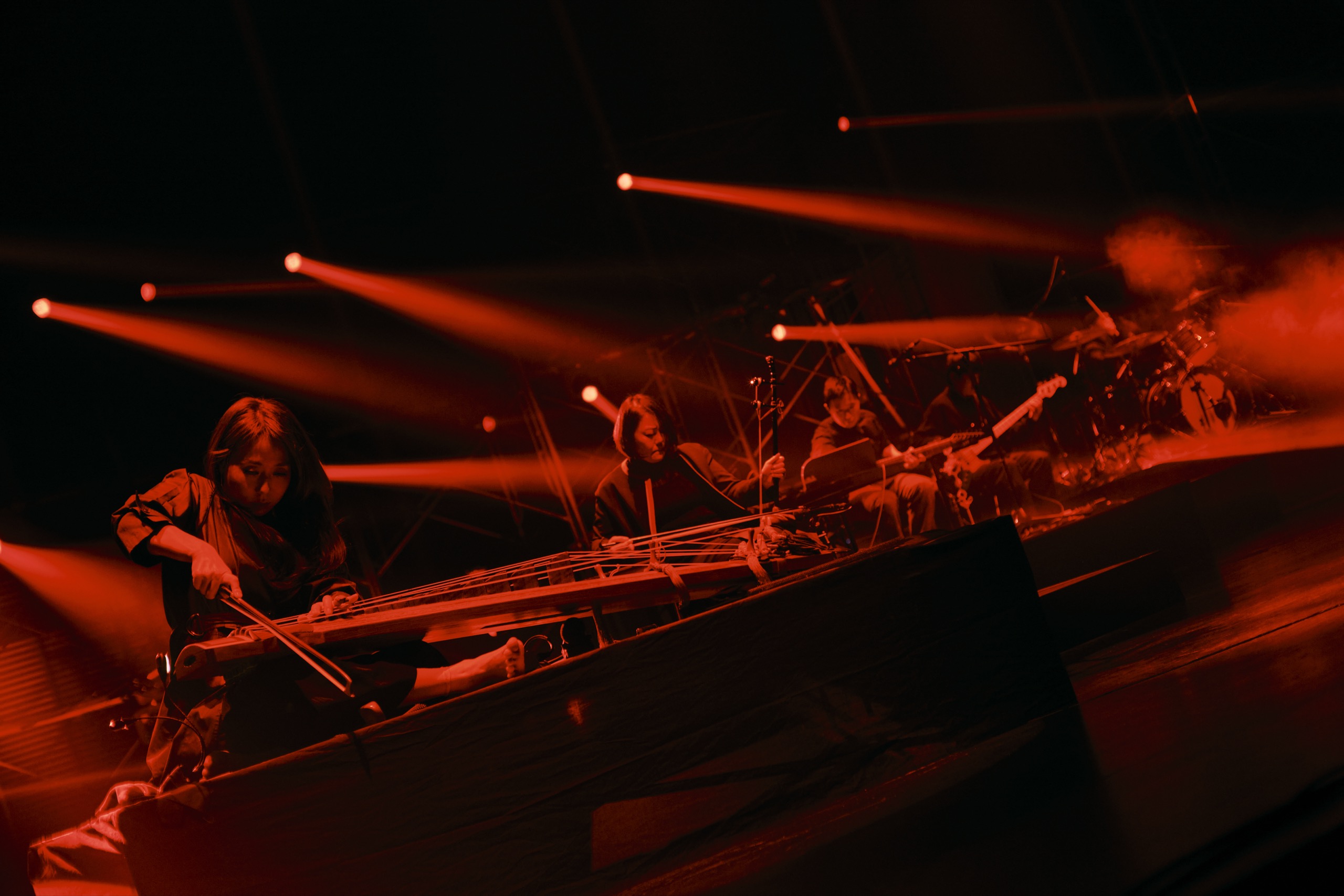
잠비나이
잠비나이는 전통음악의 익숙한 문법에 머무르지 않고, 낯선 음악적 세계를 향해 과감하게 경계를 넘어온 밴드다. 해금, 피리, 거문고 등 한국 전통악기를 기반으로 포스트록과 메탈, 일렉트로닉 등 동시대 음악의 언어를 결합하며 자신들만의 독창적인 사운드를 구축해왔다. 전통을 지키는 데 그치지 않고 끊임없이 변주하고 충돌시키는 이들의 음악은 ‘전통과 현대’, ‘동양과 서양’이라는 익숙한 구분에 질문을 던진다. 낯선 영역으로 나아가며 익숙한 문법을 다시 묻는 태도는 잠비나이의 음악을 관통한다. 세계 주요 무대를 오가며 한국 전통음악의 가능성을 넓혔고, 전통을 끊임없이 새롭게 만드는 현재의 언어로 보여주고 있다.
JAMBINAI
JAMBINAI has continually moved beyond the familiar grammar of Korean traditional music into unfamiliar territory. Built around traditional instruments such as the haegeum, piri and geomungo, the band combines them with the contemporary languages of post-rock, metal and electronic music to create a sound entirely its own. Rather than simply preserving tradition, JAMBINAI continually reworks it and brings it into dialogue, and at times into collision, with other forms, questioning familiar divisions such as “tradition and modernity” and “East and West.” This impulse to enter unfamiliar territory while questioning familiar conventions runs through the band’s music. Through appearances on major stages around the world, JAMBINAI has expanded the possibilities of Korean traditional music, revealing tradition as a living language of the present, one that can be continually remade.
Epilogue
처음 잠비나이에게 필요한 것은 익숙한 무대 밖으로 나가는 선택이었습니다. 15년이 흐른 지금, 변화의 방향은 바깥보다 안쪽을 향합니다. 잘하는 것을 내려놓고, 익숙해진 방식을 다시 의심하며, 서로의 해석에 자리를 내어주는 일입니다. 오래 함께한다는 것은 같은 모습으로 남는 일이 아닙니다. 차이를 지우지 않은 채 각자의 자리를 남겨두고, 흔들릴 때마다 다시 같은 방향을 선택하는 것. 잠비나이는 그렇게 관계를 지키면서도 음악을 계속 바꿔왔습니다. “지금 우리를 움직이는 힘은 무언가를 크게 시작하는 데 있다기보다, 우리의 생명력을 끝까지 이어가기 위해 꾸준히 페달을 밟는 데 있는 것 같습니다.” 잠비나이의 15년은 새로운 것을 향해 뛰어드는 힘이, 익숙함을 다시 의심하고 함께 다음을 선택하며 오래 움직이는 용기로 깊어지는 시간이었습니다.
At first, JAMBINAI needed to step beyond the stages they knew. Fifteen years later, the direction of change has turned inward. It means letting go of what they already do well, questioning familiar methods, and making room for one another’s interpretations. Staying together does not mean remaining the same. It means making room for each member without erasing their differences, and choosing the same direction again whenever they waver. JAMBINAI has kept changing its music while holding on to the relationships that sustain it. “What moves us now is less about starting something big than about steadily keeping the pedals turning so JAMBINAI can keep going.” Over 15 years, the impulse that once propelled the band toward the new has deepened into another kind of courage: questioning what has become familiar, choosing what comes next together, and sustaining that movement over time.