Boiling Pot
Boiling Pot에는 기아 디자인 크리에이티브 철학 ‘오퍼짓 유나이티드(Opposites United)’가 뜻하는 상반된 개념의 창의적 융합을 바탕으로 정립된 문화적 특징들이 용광로 속 한데 어우러져 녹아든 것과 같은, 정제되고 순도 높은 문화의 스토리를 다루고 있습니다. ‘공간’, ‘환경’, ‘예술’ 등의 사회·문화적 현상을 OU 관점에서 조명하여, 크리에이티브 철학을 새롭게 통찰할 수 있습니다.
Boiling Pot
Boiling Pot features stories of pure, refined cultures born from the creative fusion of opposites, embodying the essence of Kia Design’s creative philosophy, ‘Opposites United’. The social and cultural projects are examined from this perspective and offer readers new creative insights.
더 멀리 나아갈 용기를 심다
‘Opposites United’, 지속을 갱신해온 방식Sow the courage to go further
‘Opposites United’: A Philosophy Sustained Through Renewal용기는 새로운 것을 시작하는 순간에만 필요한 태도는 아닙니다. 하나의 생각을 오래 붙들고, 익숙해진 답을 의심하고, 다른 해석을 받아들이며 다음 답을 찾아가는 일에도 용기가 필요합니다. 하나의 철학을 지킨다는 것 역시 같은 답을 반복하는 일은 아닙니다. 오히려 익숙해진 해석을 다시 들여다보고, 다른 시선을 받아들이며 스스로의 방식을 갱신하는 일에 가깝습니다.
기아의 지난 몇 년은 바로 그 과정을 보여줍니다. 2021년 디자인 철학 ‘Opposites United’를 발표한 이후, 국내 전시와 밀라노 디자인 위크를 통해 하나의 철학을 여러 방식으로 펼쳐왔습니다. 같은 철학을 이야기하면서도 해마다 주제와 공간, 참여 작가와 표현 방식은 달라졌고, 새로운 해석과 반응은 다음 전시의 출발점이 됐습니다.
《기아 디자인 매거진》 Vol.18 Boiling Pot은 2021년부터 이어진 전시의 장면들을 따라가며, ‘Opposites United’가 하나의 선언에 머물지 않고 서로 다른 해석과 경험을 축적하며 스스로를 갱신해온 과정을 살펴봅니다.Courage is not only needed when we begin something new. It also takes courage to stay with an idea over time, question answers that have become familiar, welcome other interpretations, and keep searching for what comes next. Staying true to a philosophy does not mean repeating the same answer. It means revisiting familiar interpretations, letting other perspectives in, and continually renewing the way we work.
Kia’s journey over the past several years shows this process in action. Since introducing its design philosophy, ‘Opposites United’, in 2021, Kia has explored that philosophy in many different ways through exhibitions in Korea and at Milan Design Week.
While the philosophy remained the same, each year brought a different theme, setting, group of artists, and mode of expression. New interpretations and responses, in turn, became the starting point for the exhibition that followed. Kia Design Magazine Vol.18, ‘Boiling Pot’, follows key moments from the exhibitions held since 2021, tracing how ‘Opposites United’ has moved beyond a single declaration to renew itself through different interpretations and experiences.
Editor’s Note
자동차 브랜드가 자동차 없이 디자인 철학만을 보여주는 전시를 연다는 것은 익숙한 선택은 아니었습니다. 2022년 DDP에서 열린 ‘Opposites United’ 전시는 제품 대신 영상과 소리, 조형물로 공간을 채우며 디자인 철학 자체를 경험의 대상으로 꺼내놓았습니다. 무엇을 보여주려는 전시인지, 굳이 철학을 별도의 공간에서 이야기해야 하는지에 대한 질문도 뒤따랐습니다.
하지만 전시는 그 질문에서 멈추지 않았습니다. 밀라노로 무대를 옮긴 뒤에는 기아가 디자인 철학을 풀어내는 방식도 조금씩 달라졌습니다. 처음에는 ‘Opposites United’의 철학과 메시지를 보다 직접적으로 전달하는 데 집중했다면, 이후에는 아티스트의 해석을 받아들이고 관객이 스스로 의미를 발견할 수 있도록 브랜드의 목소리를 한 걸음씩 뒤로 물렸습니다. 이미 효과가 있었던 방식을 반복하기보다, 해마다 무엇을 남기고 무엇을 바꿀지를 다시 선택했습니다.
용기는 오히려 이런 선택 속에 드러났습니다. 익숙한 답을 그대로 반복하지 않는 것, 자신이 만든 철학을 다른 사람의 해석에 열어두는 것, 그리고 성공했던 방식까지 다시 의심해보는 것. 2021년부터 이어진 ‘Opposites United’의 전시는 그렇게 같은 철학 안에서 계속 다른 답을 찾아온 기록이기도 합니다. 같은 문장을 두고 서로 다른 답이 나오는 것. 어쩌면 하나의 철학을 오래 이어가기 위해 필요한 것은 정답을 지키는 일이 아니라, 그 차이를 받아들이며 계속 질문할 수 있는 용기인지도 모르겠습니다.
For an automotive brand, staging an exhibition devoted entirely to design philosophy, without a single car on display, was hardly a conventional choice. At the 2022 ‘Opposites United’ exhibition at DDP, video, sound, and sculptural works filled the space in place of products, turning the design philosophy itself into something to be experienced. Questions naturally followed. What exactly was the exhibition trying to show? Why did a philosophy need a space of its own?
The exhibition, however, did not stop at those questions. Once it moved to Milan, Kia gradually began to change how it brought its design philosophy to life. At first, the focus was on communicating the ideas and message of ‘Opposites United’ more directly. Over time, the brand stepped back, making more room for artists to interpret the philosophy and for visitors to discover meaning on their own. Rather than repeating an approach that had already proved effective, Kia reconsidered each year what should remain and what should change.
Courage emerged in precisely these choices: refusing to repeat familiar answers, opening Kia’s own philosophy to others’ interpretations, and even questioning methods that had already succeeded. Since 2021, the ‘Opposites United’ exhibitions have become a record of searching for different answers within the same philosophy. The same words can lead to very different responses. Perhaps sustaining a philosophy over time is less about holding on to a single correct answer than about having the courage to accept those differences and keep asking questions.
Chapter 01.
하나의 철학을 계속 묻는 일
Chapter 01.
Continuing to Question a Philosophy
철학은 선언하는 순간보다 그다음이 더 어렵습니다.
처음 품었던 생각이 시간이 지나도 여전히 유효한지, 사람과 환경이 달라져도 같은 의미를 가질 수 있는지는 계속 확인해야 하기 때문입니다. 기아가 그 질문을 직접 마주하기 위해 선택한 방식이 전시였습니다. 익숙한 내부의 언어를 벗어나, 하나의 철학을 낯선 공간과 관객 앞에 놓아보는 일이었습니다.The real challenge of a philosophy begins after it is declared. The ideas that felt true at the beginning must be tested again and again. Do they still hold over time? Do they carry the same meaning as people and environments change?
Kia chose exhibitions as a way to confront those questions directly. Rather than keeping the philosophy within the organization’s familiar language, the exhibitions placed it in unfamiliar spaces and before unfamiliar audiences.
Opposites United는 유행에 따라 교체되는 스타일이나 구체적인 전략이라기보다, 기아 디자인이 사람과 세상을 바라보는 바탕에 가깝습니다. 세부 원칙과 표현은 달라질 수 있어도 그 아래 놓인 관점을 계속 확인하는 것, 그것이 이 철학을 이어가는 방식이었습니다. 그래서 무엇을 만들어야 하는가보다, 무엇을 어떤 관점에서 바라볼 것인가를 되묻는 것이 기준이 되었습니다.
‘Opposites United’ is less a style that shifts with trends or a fixed strategy than a foundation for how Kia Design sees people and the world. Individual principles and expressions may evolve, but continually revisiting the perspective that underpins them has been central to sustaining the philosophy. The guiding question, then, became less about what to make and more about what to look at, and through which lens.
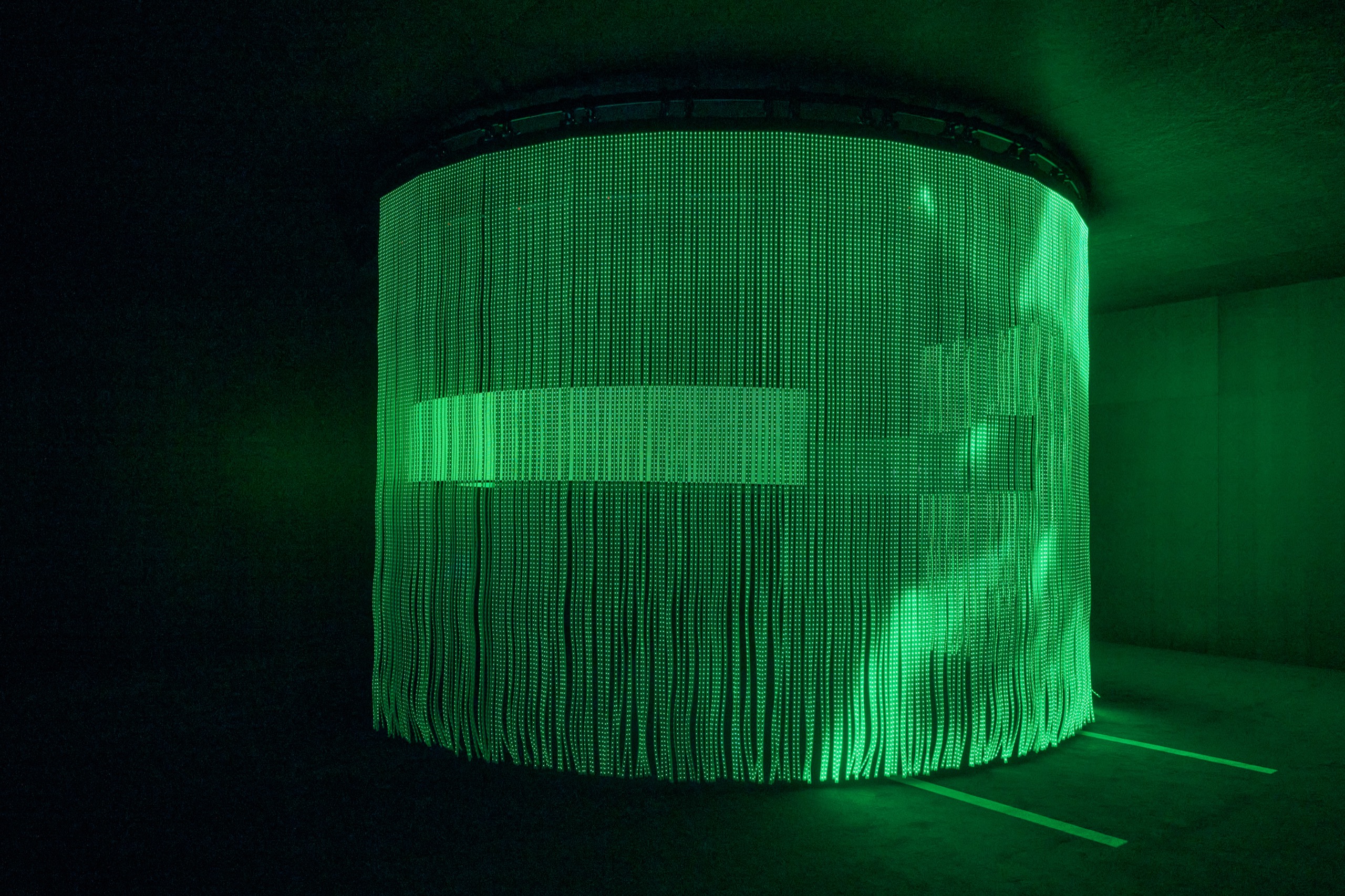
그 첫 장면은 2021년 광주디자인비엔날레에서 시작됐습니다. 기아는 디자이너 개인의 결과물을 보여주던 기존 방식에서 벗어나 거울과 디스플레이, 조형물을 통해 관객이 Opposites United를 직접 경험하도록 전시를 구성했습니다. 철학을 문장으로 설명하는 데 그치지 않고, 공간 안에서 보고 듣고 각자의 방식으로 받아들이게 한 것입니다.
The first expression of this approach took shape at the 2021 Gwangju Design Biennale. Moving away from the conventional format of presenting individual designers’ finished work, Kia created an exhibition in which visitors could experience ‘Opposites United’ directly through mirrors, displays, and sculptural forms. Rather than explaining the philosophy only in words, the exhibition invited people to see it, hear it, and interpret it for themselves within the space.
처음부터 몇 년 뒤의 모습까지 모두 정해져 있었던 것은 아닙니다. 다만 한 번의 전시로 끝낼 생각도 아니었습니다. 새롭게 발표한 철학이 사람들에게 어떻게 받아들여지는지 알려면 장소와 관객을 바꾸고, 다른 방식으로 다시 꺼내보는 시간이 필요했습니다.
The years ahead had not been mapped out from the beginning. What was clear, however, was that this would not end with a single exhibition. To understand how a newly introduced philosophy would be received, Kia needed time to present it again in different places, to different audiences, and in different forms.
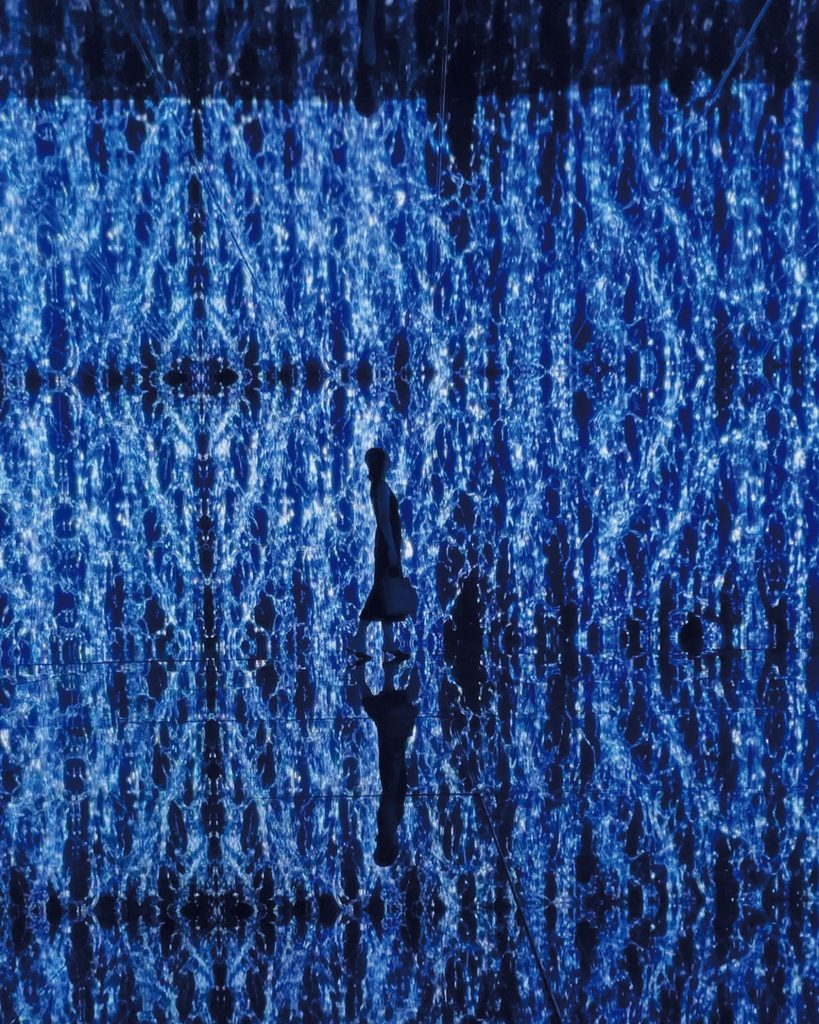
이듬해 서울 동대문디자인플라자(DDP)에서는 그 질문을 한 단계 더 밀어붙였습니다. 전시장에는 신차도 콘셉트카도 없었습니다. 대신 영상과 소리, 조형물을 통해 Opposites United 자체를 경험하도록 했습니다. 자동차 브랜드가 자동차 없이 디자인 철학만을 보여준다는 선택은 내부에서도 낯설었지만, 바로 그 낯섦이 철학을 실제 경험 속에서 확인하는 계기가 됐습니다.
The following year at Dongdaemun Design Plaza, or DDP, in Seoul, that question was pushed a step further. There were no new vehicles or concept cars in the exhibition. Instead, video, sound, and sculptural works allowed visitors to experience ‘Opposites United’ itself. Even within Kia, the idea of an automotive brand presenting only its design philosophy without cars felt unfamiliar. Yet that very unfamiliarity became an opportunity to test the philosophy through direct experience.
제품 개발과 품평이 반복되는 실제 디자인 업무 안에서는 ‘왜 디자인하는가’를 돌아볼 시간이 쉽게 생기지 않습니다. Opposites United는 새로운 조형 원칙을 더하는 데서 그치지 않고, 디자인을 대하는 관점과 태도부터 다시 묻게 했습니다. 전시는 그 질문을 문서 밖의 경험으로 옮기는 방식이었습니다.
In the day-to-day flow of design work, where product development and reviews come one after another, there is rarely time to return to the question of why we design. ‘Opposites United’ did more than add a new set of formal design principles. It prompted a reconsideration of the perspective and attitude behind design itself. The exhibition took that question off the page and turned it into an experience.
중요했던 것은 한 번의 전시에서 정답을 얻는 일이 아니었습니다. 장소와 관객을 바꾸며 같은 철학을 계속 다른 환경에 놓아보고, 그때마다 무엇이 달라지는지를 확인하는 일이었습니다. 국내에서 이어진 탐구는 그렇게 2023년 밀라노라는 더 넓은 무대로 향했습니다.
What mattered was not arriving at a definitive answer through a single exhibition. It was about placing the same philosophy in different environments and before different audiences, then observing what changed each time. The exploration that began in Korea eventually moved to a broader stage in Milan in 2023.
그 과정에서 성공을 판단하는 기준도 단기적인 숫자에만 있지 않았습니다. 얼마나 많은 사람이 찾았는가보다, 준비한 생각과 태도가 공간 안에서 제대로 전달되고 어떤 반응을 남겼는지가 더 중요했습니다. 하나의 철학을 계속 묻는다는 것은 같은 질문을 되풀이하는 일이 아닙니다. 만나는 사람과 환경이 달라질수록 질문은 더 구체해지고, 처음의 철학 역시 새로운 의미를 얻습니다. Opposites United는 한 번의 선언을 반복하는 대신, 시간을 들여 질문의 깊이를 더해갔습니다.
Success, too, was measured by more than short- term numbers. More important than how many people visited was whether the ideas and attitudes behind the exhibition came through in the space, and what kinds of responses they prompted. To keep questioning a philosophy is not to repeat the same question. As the people and environments around it change, the questions become more specific, and the original philosophy takes on new meaning. Rather than repeating a single declaration, the questions around ‘Opposites United’ have deepened over time.
Chapter 02.
중심은 남기고 방식을 바꾸는 일
Chapter 02.
Keeping the Core, Changing the Approach
2023년 밀라노에서 시작된 기아의 전시는 해마다 다른 모습으로 이어졌습니다. 철학의 중심은 같았지만, 이를 보여주는 방식과 관객에게 열어두는 해석의 폭은 조금씩 달라졌습니다. 같은 이야기를 반복하기보다 무엇을 남기고 무엇을 바꿀지를 매번 다시 선택해온 것입니다.
Kia’s Milan exhibitions have taken on a different form each year since 2023. The core philosophy remained unchanged, but the way it was presented and the space left for visitors to interpret it gradually evolved. Rather than repeating the same story, Kia chose each time what to carry forward and what to change.
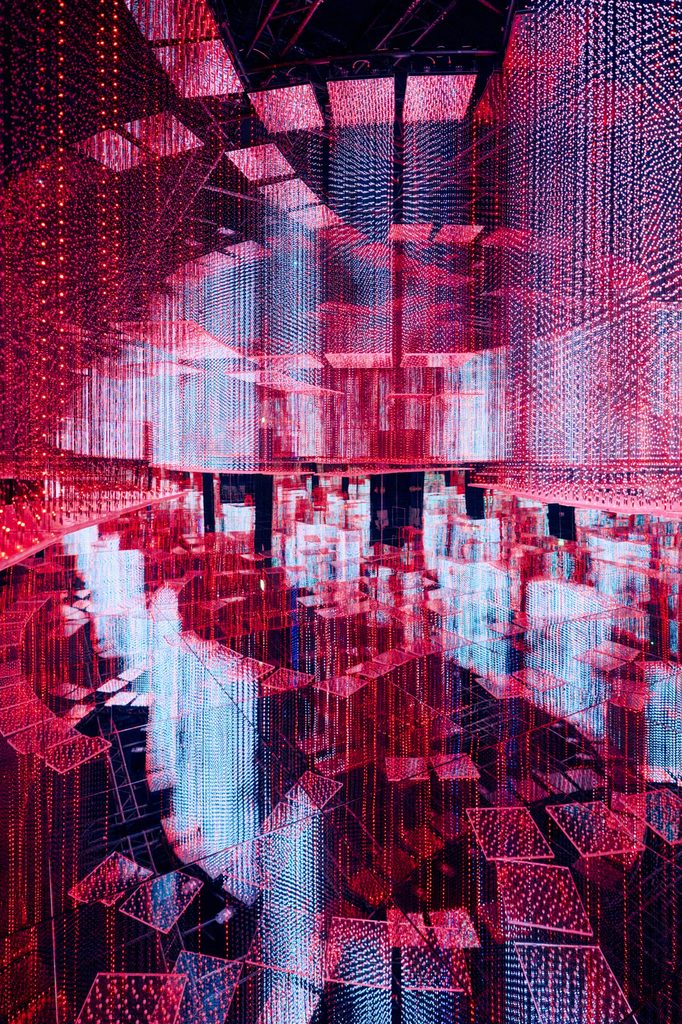
첫 밀라노 단독 전시가 열린 2023년에는 Opposites United를 구성하는 다섯 가지 원칙을 일곱 개 공간의 몰입형 미디어아트로 풀어냈습니다. 영상과 음향, 조형물에 포럼과 공연을 더해 기아의 철학을 충분히 보여주고, 관객에게서 어떤 이야기가 돌아오는지를 듣는 것이 첫 번째 단계였습니다.
At Kia’s first standalone exhibition in Milan in 2023, the five principles of ‘Opposites United’ were interpreted through immersive media art across seven spaces. The first step was to give full expression to Kia’s philosophy through video, sound, sculptural works, forums, and performances, while listening closely to the responses it drew from visitors.
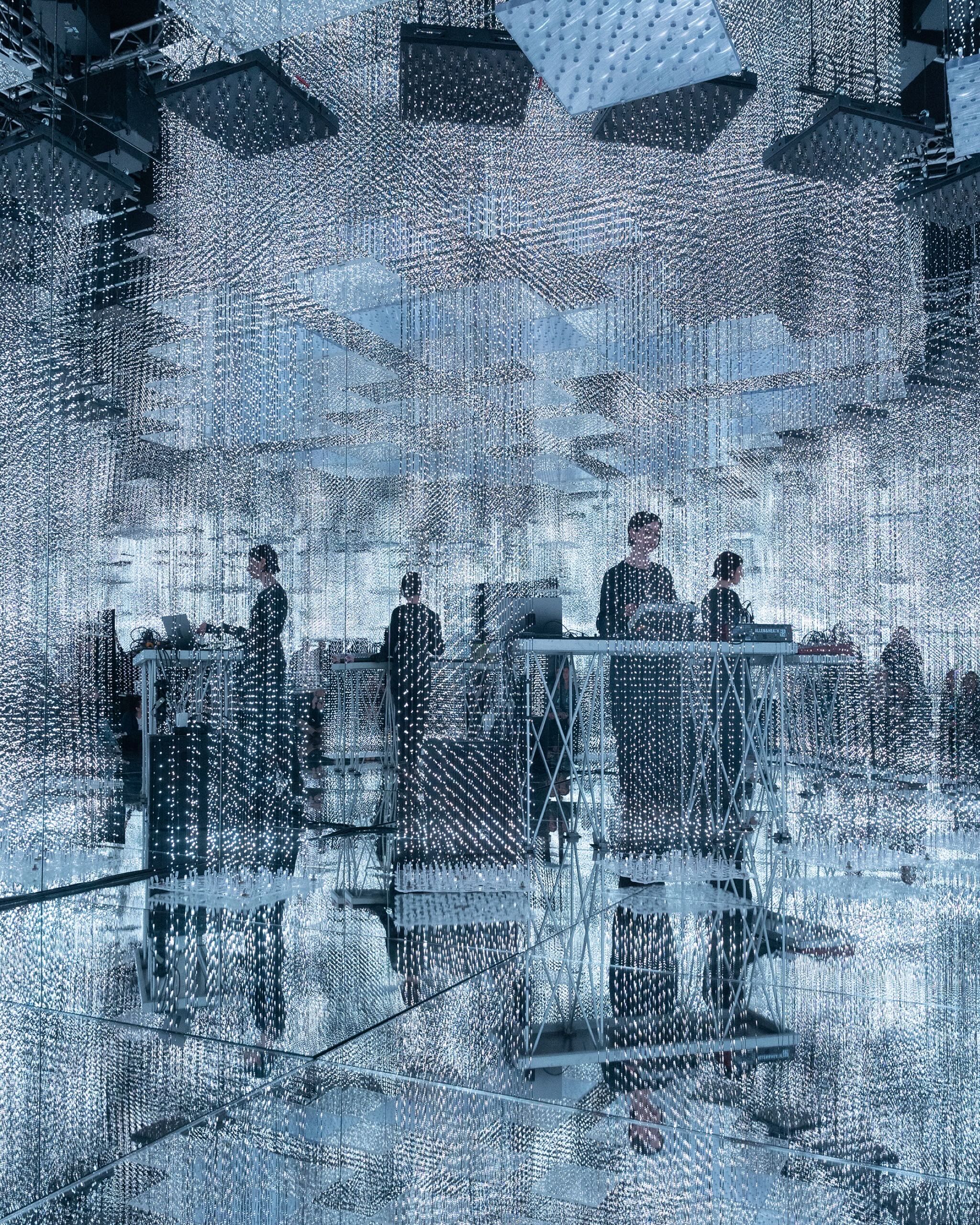
이듬해 ‘Opposites United: Intersections Beyond Boundaries’에서는 기아의 설명을 한 걸음 뒤로 물리고 아티스트의 해석을 전면에 놓았습니다. 실제 조형물과 증강현실, 향, 빛과 움직임처럼 서로 다른 매체가 하나의 철학을 각기 다른 감각으로 번역했습니다.
The following year, ‘Opposites United: Intersections Beyond Boundaries’ placed Kia’s own explanation in the background and brought the artists’ interpretations to the foreground. Physical installations, augmented reality, scent, light, and movement translated a single philosophy into different sensory experiences.
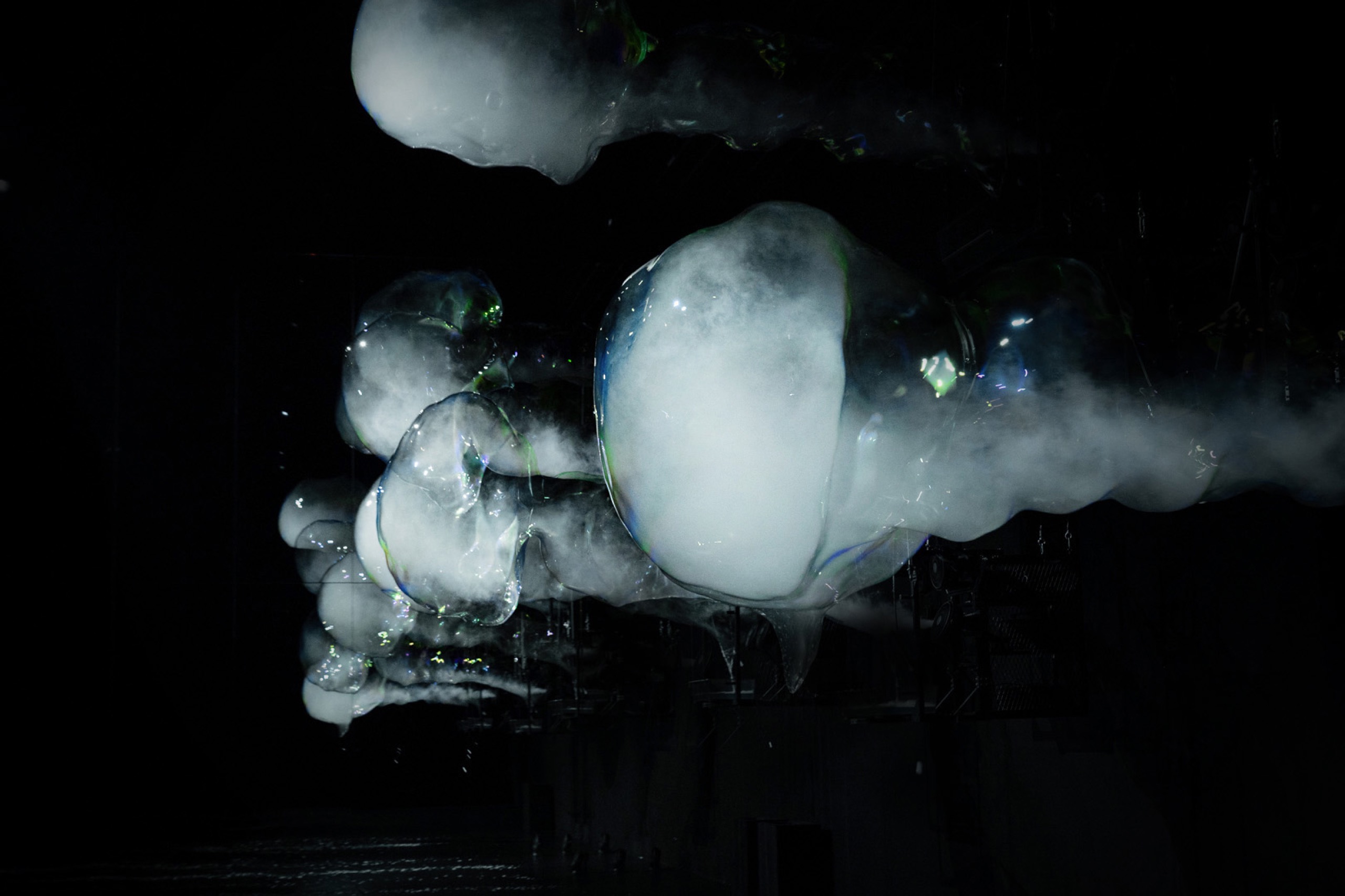
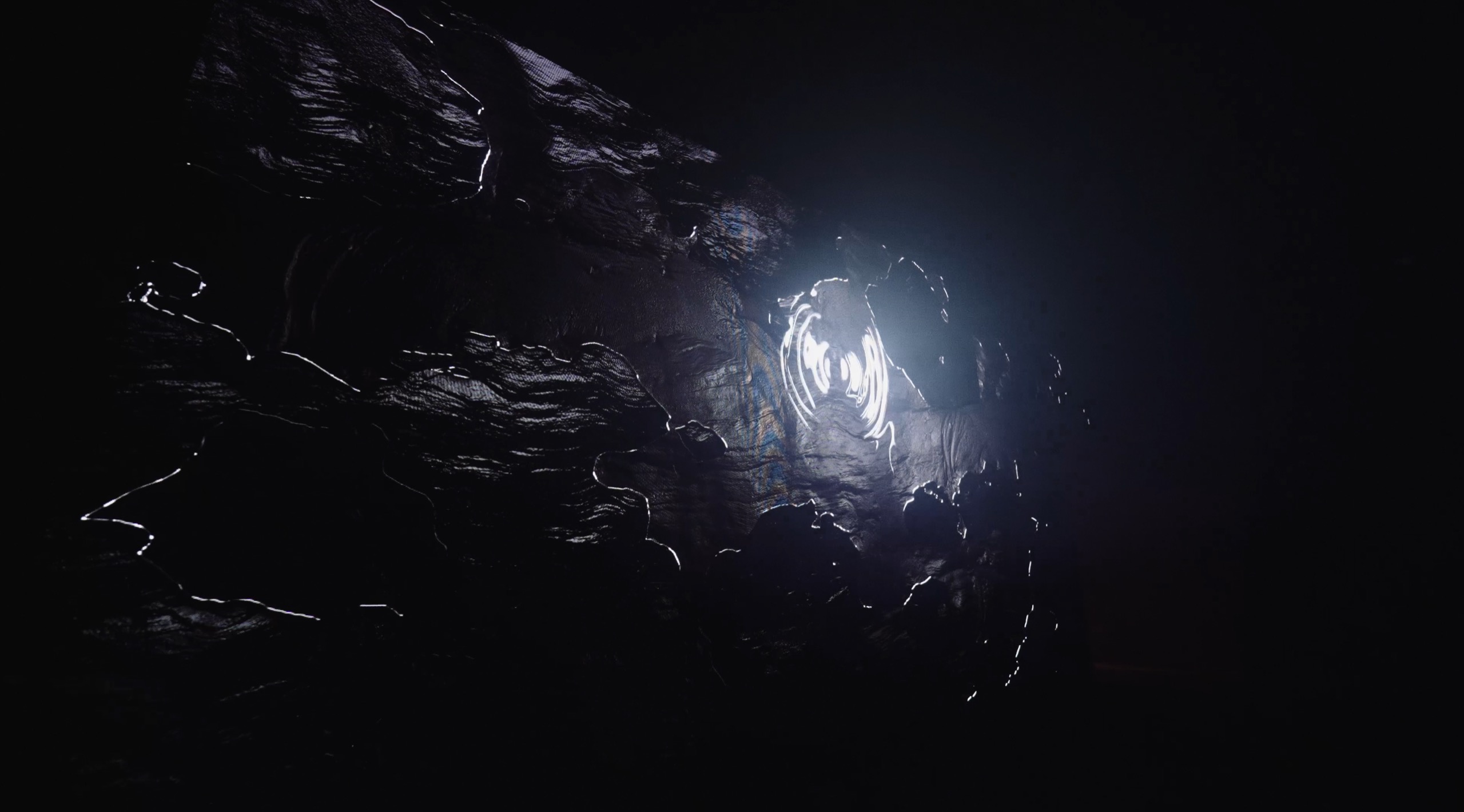
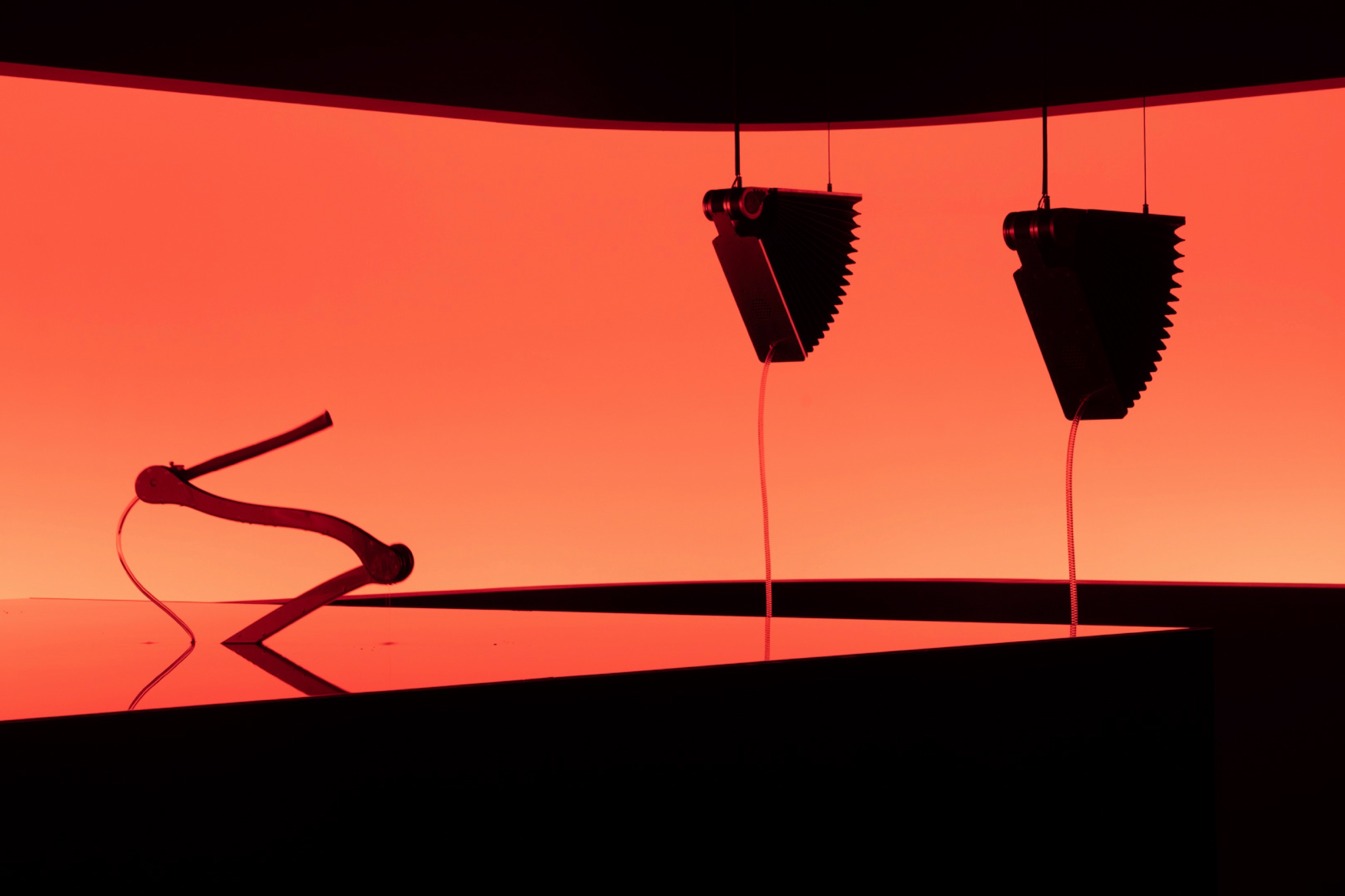
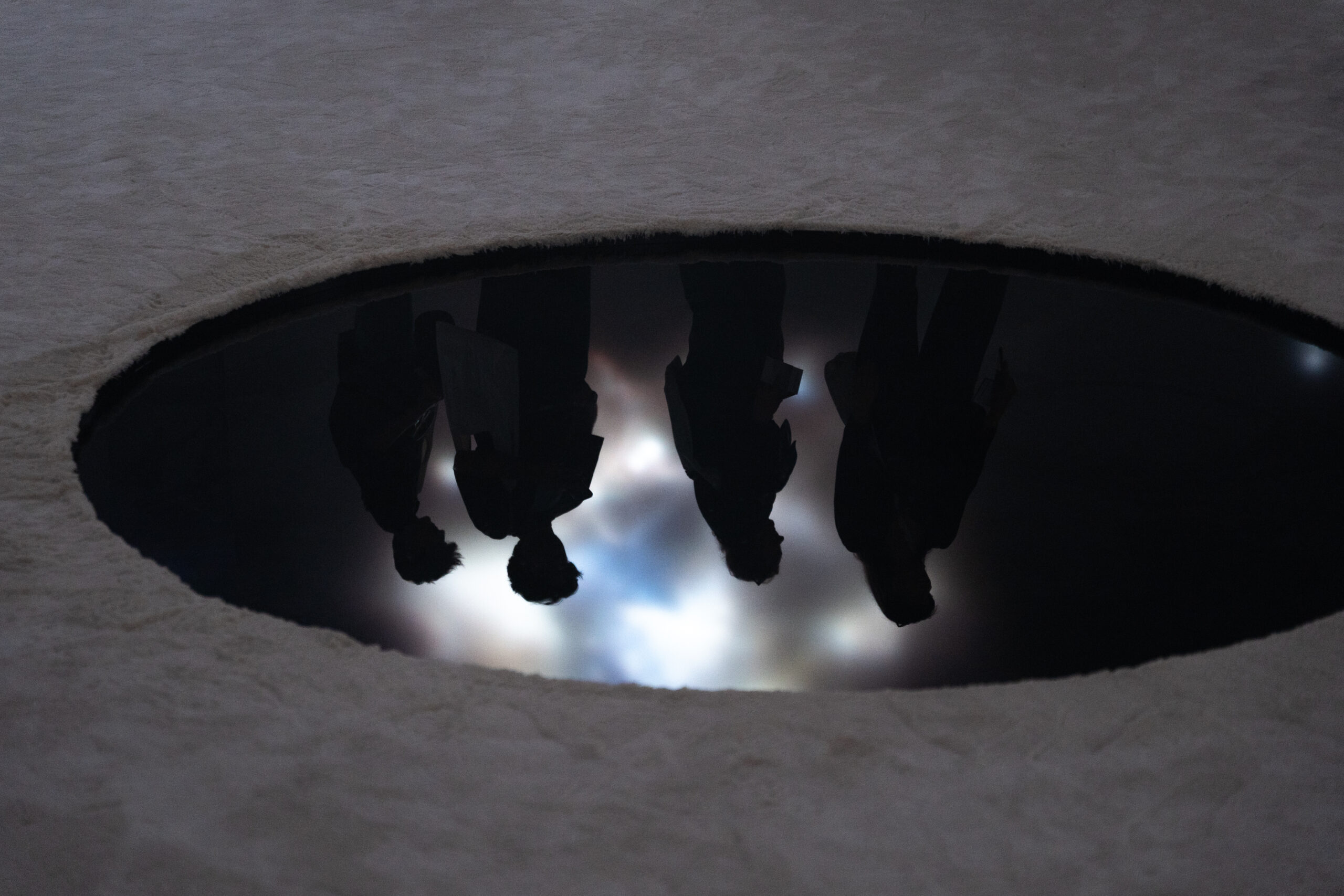
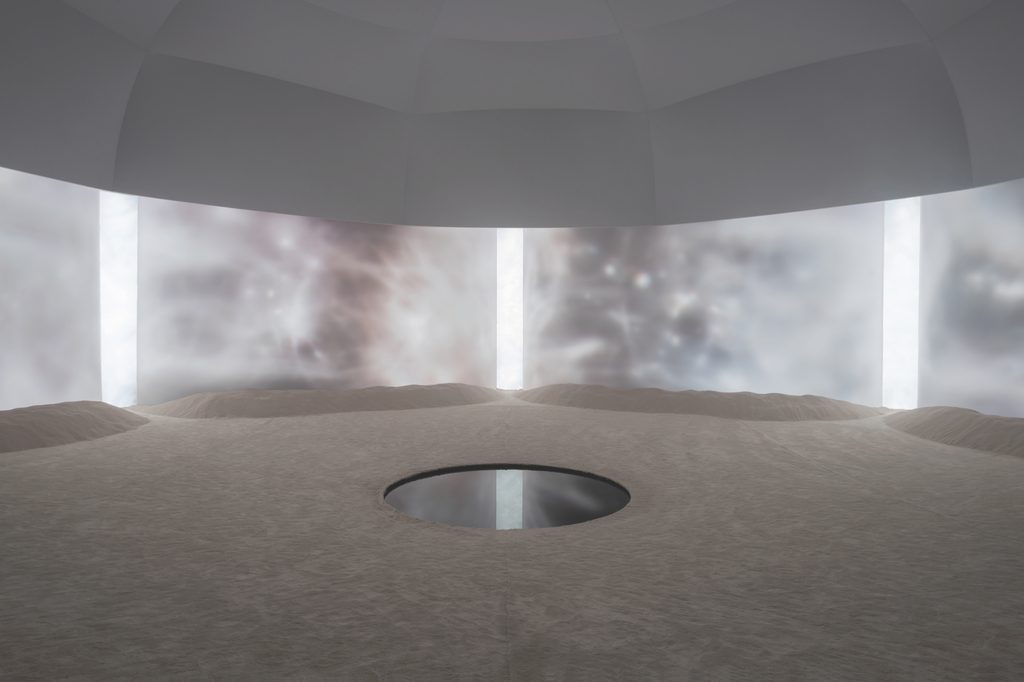
하나의 철학에 하나의 해석을 붙이기보다 서로 다른 시선이 만날 수 있는 환경을 만든 것입니다. 무엇을 말해야 하는지보다 무엇이 새롭게 읽힐 수 있는지를 바라보기 시작했습니다. 2025년 ‘Opposites United: Eclipse of Perceptions’에서는 그 여백이 더 넓어졌습니다. 필립 파레노의 ‘Marquee’, A.A. 무라카미의 ‘The Cave’, 그리고 ‘Beyond the Horizon’처럼 빛과 소리, 물과 거품이 변화하는 작품을 통해 의미를 설명하기보다 공간과 시간에 따라 달라지는 경험 자체에 집중했습니다.
Rather than assigning the philosophy a single interpretation, the exhibition created an environment in which different perspectives could meet. The focus began to shift from what should be said to what new readings might emerge. In 2025, ‘Opposites United: Eclipse of Perceptions’ opened that space even further. Through works such as Philippe Parreno’s ‘Marquee’, A.A. Murakami’s ‘The Cave’, and ‘Beyond the Horizon’, in which light, sound, water, and bubbles continually changed, the exhibition moved away from explaining meaning and toward the experience itself as it unfolded across space and time.
관객은 정해진 의미를 따라가기보다 그 순간 보고 듣고 느낀 것으로 작품을 받아들였습니다. 전시는 하나의 메시지를 전달하는 자리에서 서로 다른 감각과 해석이 생겨나는 자리로 조금씩 이동했습니다.
Visitors were no longer asked to follow a predetermined meaning. They encountered the works through what they saw, heard, and felt in the moment. Gradually, the exhibition shifted from a space that delivered a single message to one where different sensations and interpretations could emerge.
이 변화는 디지털에서 물리적 설치로 단순히 방식을 바꾼 것이 아니었습니다. 설명과 경험, 브랜드의 목소리와 관객의 해석 사이에서 무엇을 더하고 무엇을 덜어낼지 계속 조율한 과정에 가까웠습니다. 모든 것이 달라진 것은 아닙니다. 첫 밀라노 전시부터 관객이 앉아 쉬고 서로 이야기를 나눌 수 있는 라운지는 계속 남았습니다. 전시가 일방적으로 메시지를 전달하는 자리가 아니라 서로의 생각을 주고받는 곳이라는 처음의 목적을 이어주는 공간이었습니다.
This evolution was not simply a shift from digital media to physical installations. It was an ongoing process of deciding what to add and what to leave out, how strongly the brand should speak, and how much room to leave for visitors’ interpretations. Not everything changed. From the first Milan exhibition onward, a lounge where visitors could sit, rest, and talk with one another remained a constant. It preserved the exhibition’s original intention: to create a place not for one- way communication, but for the exchange of ideas.
변화는 매번 모든 것을 바꾸는 데 있지 않았습니다. 철학의 중심은 남기되 익숙한 표현법은 반복하지 않는 것. 무엇을 남기고 무엇을 바꿀지 다시 선택하는 태도가 Opposites United를 매번 다른 경험으로 이어지게 했습니다.
Change did not mean changing everything each time. It meant keeping the core of the philosophy while refusing to repeat familiar modes of expression. Continually choosing what to keep and what to change has allowed ‘Opposites United’ to become a different experience each time.
Chapter 03.
다른 답이 들어올 자리를 남기는 일
Chapter 03.
Making Room for Different Answers
보여주는 방식을 바꾸는 것보다 더 어려운 일은, 그 의미를 해석할 여지까지 다른 사람에게 내어주는 것인지도 모릅니다. 자신이 만든 철학이 예상과 다른 방향으로 읽힐 때도, 그것을 하나의 답으로 받아들일 수 있을까요?
Perhaps more difficult than changing how something is presented is allowing others the space to interpret what it means. When a philosophy you created is interpreted in a way you did not expect, can that too be accepted as one possible answer?
기아와 아티스트의 협업은 Opposites United라는 정해진 답에 작품을 맞추는 방식과는 거리가 있었습니다. 먼저 전시가 던질 질문과 공간의 역할을 정하고, 그 질문이 작가가 오랫동안 탐구해온 주제와 어디에서 만나는지를 살폈습니다. 기존 작품 위에 철학의 이름을 덧붙이기보다, 서로의 관심사가 자연스럽게 겹치는 지점을 찾는 과정이었습니다.
접점을 찾은 뒤에는 결과를 가능한 한 열어두었습니다. 공간과 안전, 사회적으로 민감한 조건을 제외하면 작품의 방향을 세세하게 규정하지 않았습니다. 오히려 대화를 이어가는 동안 기존 작품을 가져오는 대신 새로운 작품이나 방식을 제안하는 경우도 생겼습니다.
여기서 중요한 것은 ‘자유롭게 맡긴다’는 사실 자체보다 어디까지 통제하지 않고 열어둘 수 있는가였습니다. 기업이 만든 철학이라면 의미를 하나로 정리하고 싶어지기 쉽습니다. 하지만 다른 해석이 들어올 자리를 남겨두었을 때, Opposites United는 처음 예상하지 못했던 방향으로도 읽히기 시작했습니다.
그 변화는 아티스트에게만 일어난 것이 아니었습니다. 외부에서 들어온 해석은 전시에서 끝나지 않고, 내부가 Opposites United를 이해하는 방식에도 영향을 남겼습니다. 처음에는 선언의 언어로 제시됐던 철학이 여러 프로젝트를 거치며 구체적인 경험과 이야기로 읽히기 시작했습니다. 아티스트와 디자이너, 관객이 각자의 언어를 보탤수록 그 이야기는 더 살아 움직였습니다.
익숙했던 판단의 기준도 다시 보게 됐습니다. 경험이 쌓일수록 과거에 익힌 방식은 가장 빠르고 안전한 답이 되기 쉽습니다. Opposites United를 계속 마주하는 과정은 자신도 모르게 가지고 있던 ‘이렇게 되어야 맞다’는 기준을 다시 들여다보게 했습니다.
초기에는 디자인을 바라보는 방향과 원칙을 중심으로 했던 Opposites United가 이제 디자이너의 태도와 창작 문화까지 질문하는 철학으로 확장되면서, 질문은 오히려 더 많아졌습니다. 어디까지 이해해야 이 철학을 내 것으로 만들었다고 할 수 있을까? 아직 하나의 답은 없습니다. 대신 작가를 고르고 프로그램을 만들고 디자인을 고민하는 실제 과정 속에서 각자의 해석이 조금씩 만들어지고 있습니다. 철학을 이해하는 방식이 설명을 듣고 정답을 익히는 데서, 자신의 경험을 통해 의미를 만들어가는 쪽으로 이동한 것입니다.
같은 철학을 공유한다는 것은 모두가 같은 답에 도착하는 일이 아닐지도 모릅니다. 서로 다른 사람이 자신의 방식으로 해석할 수 있도록 자리를 남겨두고, 그 차이가 다시 철학을 움직이게 하는 것. Opposites United는 그렇게 하나의 답을 지키기보다 여러 답이 공존할 수 있는 가능성을 넓혀왔습니다.
Kia’s collaborations with artists were never about fitting artworks to a predetermined interpretation of ‘Opposites United’. The process began by defining the question the exhibition would ask and the role the space would play, then looking for where that question met themes each artist had been exploring over time. Rather than attaching the philosophy’s name to an existing work, the aim was to find where their interests naturally overlapped.
Once that point of connection was found, the outcome was kept as open as possible. Aside from constraints related to space, safety, and social sensitivities, Kia did not prescribe the direction of the work in detail. In some cases, the ongoing dialogue even led artists to propose a new work or approach rather than bring in an existing piece.
What mattered here was not simply the idea of giving artists freedom, but how much of the outcome Kia could leave open rather than control. With a philosophy created by a company, there can be a strong impulse to define its meaning as a single message. Yet when space was left for other interpretations, ‘Opposites United’ began to be read in ways that had not been anticipated at the outset.
The change was not limited to the artists. Interpretations from outside the organization did not remain confined to the exhibition; they also influenced how ‘Opposites United’ was understood within Kia. A philosophy initially presented as a declaration gradually came to be understood through concrete experiences and stories across multiple projects. As artists, designers, and visitors added their own language to it, the philosophy came more vividly to life.
Even familiar criteria for judgment were reconsidered. As experience accumulates, methods learned in the past can easily become the quickest and safest answers. Continuing to engage with ‘Opposites United’ created a chance to reexamine assumptions about how things were supposed to be, many of which had gone unnoticed.
In its early stages, ‘Opposites United’ centered on a way of looking at design and the principles behind it. As the philosophy has expanded to encompass questions about designers’ attitudes and creative culture itself, the number of questions has only grown. How deeply must a philosophy be understood before it can truly become one’s own? There is still no single answer. Instead, individual interpretations are gradually taking shape through the process of selecting artists, developing programs, and making design decisions. Understanding the philosophy has shifted from being told what it means and learning the correct answer to creating meaning through one’s own experience.
Sharing the same philosophy may not mean arriving at the same answer. It may mean leaving enough room for different people to interpret it in their own ways and allowing those differences to keep the philosophy moving. In this sense, ‘Opposites United’ has expanded the possibility for multiple answers to coexist rather than holding on to a single one.
Chapter 04.
축적이 다음 새로움을 만든다
Chapter 04.
How Accumulated Experience Shapes What Comes Next
전시가 끝난 뒤에는 무엇이 남을까요? 전시 공간은 해체되고 관객은 떠납니다. 하지만 전시를 만들며 마주한 질문과 판단까지 사라지는 것은 아닙니다. 경험은 다음 프로젝트를 바라보는 방식에 남고, 때로는 이전과 다른 선택을 하게 만듭니다.
What remains after an exhibition ends? The space is dismantled and the visitors leave, but the questions and decisions that shaped the exhibition do not disappear with them. Those experiences carry over into the next project, sometimes leading to choices that would not have been made before.
2026년 ‘Opposites United: Resonance of Opposites’는 지난 전시에서 쌓인 생각이 다시 기아 디자이너의 창작 과정으로 돌아오는 장면을 보여줬습니다. 전시는 밀라노의 두 공간에서 서로 다른 여정으로 펼쳐졌습니다.
뮤제오 델라 페르마넨테의 ‘Journey of Reflection’은 결과물을 보여주기보다 디자이너가 무엇을 보고, 어떻게 생각하며, 어떤 태도로 창작하는지를 들여다보는 공간이었습니다. 전시에 앞서 기아 디자이너들과 여러 달 동안 진행한 워크숍 역시 자신의 창작 방식을 다시 돌아보는 과정에서 시작됐습니다. 워크숍에서 도출된 세 가지 문화적 특성은 ‘문화적 선구자Culture Vanguard’, ‘창의적 모험가Creative Risk-takers’, ‘끊임없는 혁신가Relentless Innovators’라는 공간 경험으로 이어졌습니다. 빛의 겹침과 관객의 움직임, 잠시 멈추어 돌아보는 시간을 통해 디자이너의 사고와 태도를 감각적으로 드러냈습니다.
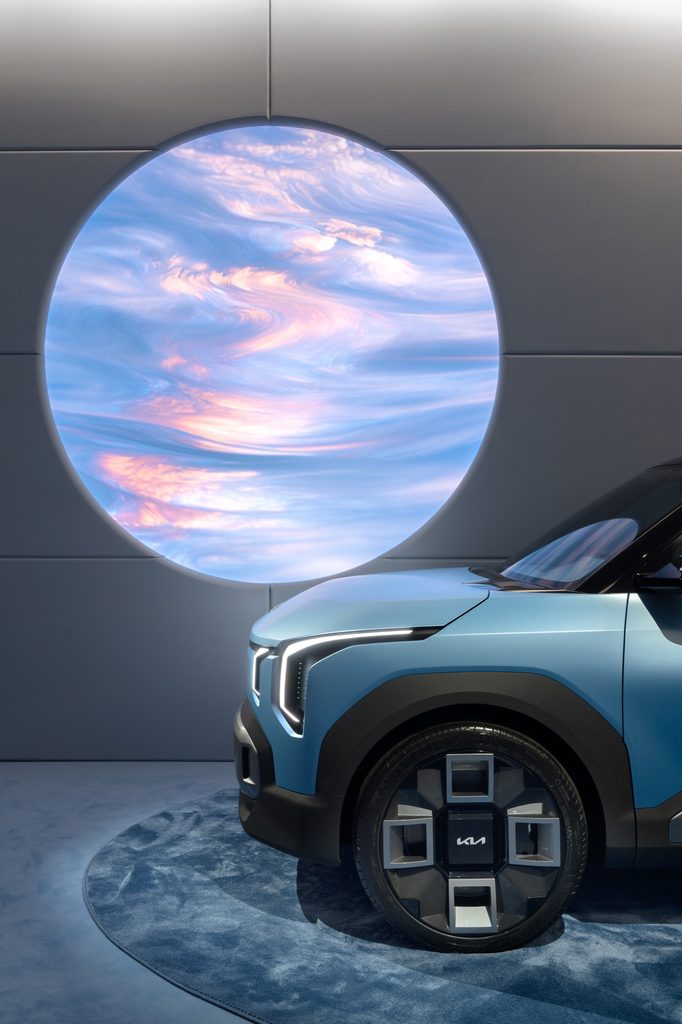
그 성찰은 맞은편 살로네 데이 테수티의 ‘Journey of Projection’으로 이어졌습니다. 비전 메타 투리스모(Vision Meta Turismo)를 비롯한 여섯 대의 EV 콘셉트카를 통해, 그 안에서 축적된 생각이 구체적인 디자인으로 이어지는 과정을 보여줬습니다.
두 전시는 서로 다른 이야기가 아니었습니다. 한쪽에서 창작자의 내면과 태도를 들여다봤다면, 다른 한쪽에서는 그 생각이 구체적인 형태로 이어지는 과정을 보여줬습니다. Reflection에서 Projection으로 이어지는 동선은 결국 생각이 결과가 되기까지의 시간을 하나의 여정으로 펼쳐놓은 셈입니다.
중요한 것은 2026년 전시가 2021년부터 미리 정해둔 결론이 아니었다는 점입니다. 관객과 아티스트를 만나고, 예상하지 못한 해석을 받아들이고, 그 과정에서 얻은 질문을 다시 내부로 가져오는 시간이 있었기에 비로소 가능했던 다음 장면이었습니다.
축적은 지나온 시간을 그대로 쌓아두는 일이 아니라, 이전의 경험이 다음 선택을 조금 다르게 만드는 과정입니다. 그렇게 쌓인 시간은 과거의 기록으로만 남지 않고, 이전에는 없던 디자인을 만드는 다음 선택으로 이어집니다.
In 2026, ‘Opposites United: Resonance of Opposites’ showed how ideas accumulated through previous exhibitions fed back into the creative process of Kia’s designers. The exhibition unfolded as two distinct journeys across two venues in Milan.
At Museo della Permanente, ‘Journey of Reflection’ focused less on finished outcomes and more on how designers see, think, and approach the act of creation. The exhibition grew out of workshops held with Kia designers over several months, beginning with a process of reflecting on their own creative practices. Three cultural qualities that emerged from the workshops became spatial experiences: ‘Culture Vanguard’, ‘Creative Risk-takers’, and ‘Relentless Innovators’. Layers of light, the movement of visitors, and moments of pause and reflection translated the designers’ thinking and attitudes into a sensory experience.
That reflection continued across the street at Salone dei Tessuti in ‘Journey of Projection’. Through six EV concept cars, including Vision Meta Turismo, the exhibition showed how the ideas accumulated through that process could take shape as tangible design.
The two exhibitions were not separate stories. One looked inward at the mindset and attitude of the creator, while the other showed how those ideas moved toward concrete form. The path from Reflection to Projection framed the passage from thought to outcome as a single journey.
What matters is that the 2026 exhibition was not a conclusion predetermined in 2021. It was the next stage made possible by years of meeting audiences and artists, embracing unexpected interpretations, and bringing the questions that emerged from those encounters back into Kia.
Accumulation is not simply about preserving the past. It is the process by which previous experiences subtly reshape the choices that follow. What builds over time becomes more than a record of the past. It becomes a foundation for choices that lead to designs that did not exist before.
Epilogue
성공한 전시는 다음 전시의 정답이 될 수 있을까요? 밀라노 전시는 해마다 규모와 관심이 커졌고, 기아 안에서도 중요한 디자인 프로젝트로 자리 잡았습니다. 하지만 축적된 성공이 다음 전시의 방식을 그대로 정해주는 것은 아닙니다.
처음 전시의 목적은 기아가 정한 답을 보여주는 데 있지 않았습니다. 하나의 철학을 낯선 사람들 앞에 놓고, 그들이 무엇을 보고 느끼는지 듣는 데 더 가까웠습니다. 그래서 질문은 이제 밀라노에서 무엇을 새롭게 시도할 것인가를 넘어, 익숙해진 전시의 형식을 어떻게 다시 바꿀 것인가로 이어집니다. 기아 디자인은 그동안 밀라노 디자인 위크에서 이어온 대규모 전시 형식을 반복하기보다, 서로 다른 문화 속에서 자신들의 철학이 실제로 어떻게 받아들여지고 사람들과 어떤 관계를 만드는지를 살펴보는 새로운 여정을 준비하고 있습니다. 2027년 밀라노는 그 계획과 방향을 처음으로 공유하는 자리가 될 예정입니다.
이어온 방식을 바꾸는 일에는 처음과는 또 다른 용기가 필요합니다. 익숙한 형식을 벗어나고 성공했던 선택까지 다시 의심하면서도, 밀라노라는 축적의 무대에서 또 다른 여정을 시작하는 용기입니다. 2021년 시작된 Opposites United의 여정은 하나의 답에 도착하기보다, 답을 얻은 뒤에도 다시 질문해온 과정에 가깝습니다. 처음의 질문은 놓지 않되 필요할 때 답과 방식을 바꾸는 것. 다음 장면 역시 밀라노에서 새로운 질문과 함께 시작될 것입니다.
Can a successful exhibition become the answer for the next one? Kia’s Milan exhibitions have grown in scale and attracted more attention each year, while also taking on greater importance within the company. Yet a track record of success does not automatically determine the form the next exhibition should take.
The original purpose of the exhibition was never to present Kia’s own answer. It was more about placing a philosophy before new audiences and listening to what they saw and felt. The question now extends beyond what to try next in Milan to how a format that has itself become familiar might be rethought. Rather than repeating the large- scale exhibition format it has developed through Milan Design Week, Kia Design is preparing for a new journey to explore how its philosophy is received across different cultures and how it connects with people. In Milan in 2027, Kia plans to share the direction of that next journey for the first time.
Changing an approach that has been sustained over time calls for a different kind of courage. It means stepping outside a familiar format and questioning even choices that once succeeded, while using the experience accumulated in Milan as the starting point for another journey. Since 2021, the journey of ‘Opposites United’ has been less about arriving at a single answer than about continuing to ask questions even after finding one. The original question remains, even as the answers and methods change when needed. The next chapter, too, will begin in Milan with a new question.